

Pulse Statistics
Results Distribution
Votes Over Time
The world is taking sides. Your nation's pulse is missing.
Global pulses are showing up strong. Don't let your nation's identity disappear. Every beat shapes the global consensus.

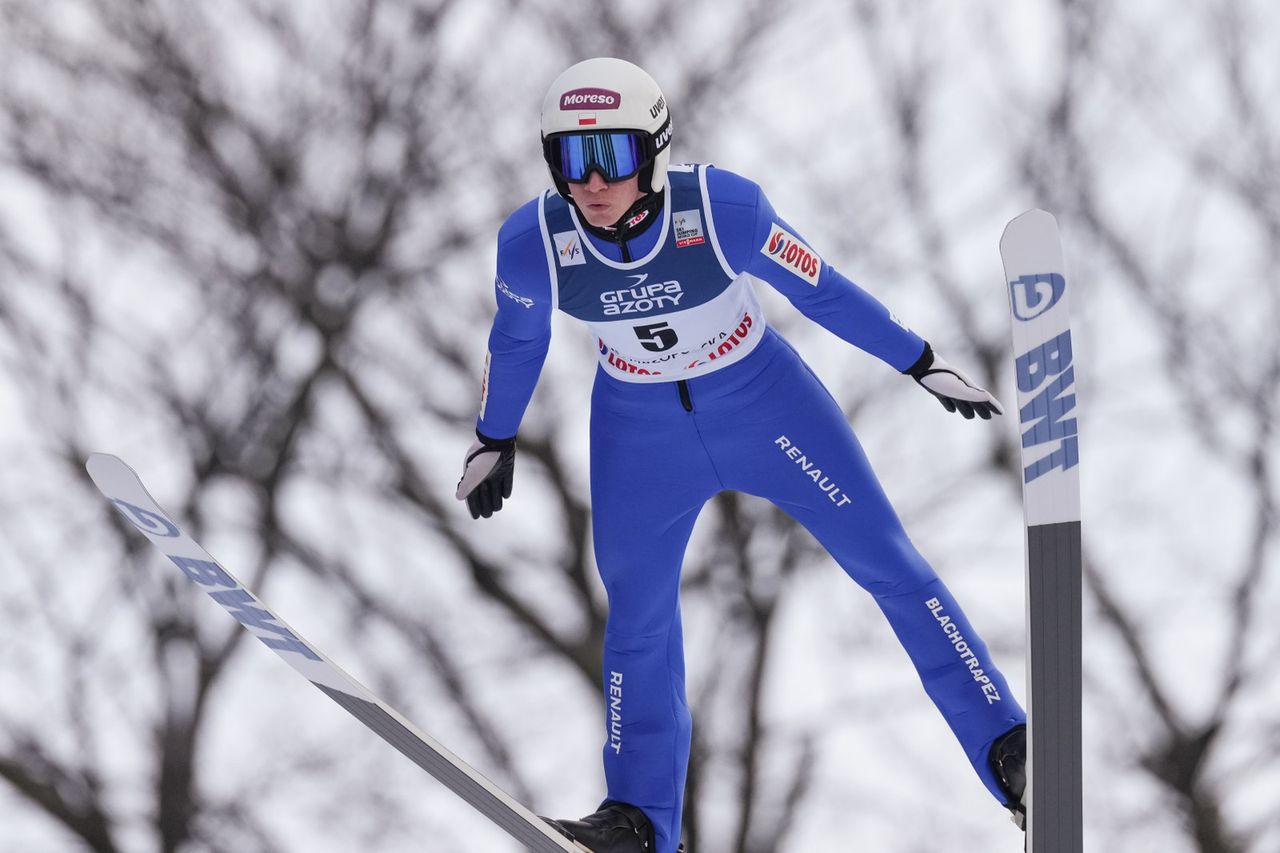
Aleksander Zniszczoł's retirement marks the end of an era in Polish sports.
What happened?
Zniszczoł, who had been at the top of his game for years, cited burnout and injuries as reasons for stepping away from competition. His decision underscores the physical toll that elite sports can take on athletes. The impact extends beyond Zniszczoł himself; it shakes the foundations of Polish ski jumping.
Some argue that Zniszczoł's retirement is a personal choice and not indicative of systemic issues in Polish sports. They point out that many athletes manage their careers successfully without burning out, suggesting individual responsibility rather than institutional failure.
The risk lies in underestimating the broader implications of athlete burnout on national pride and investment in youth development programs.
Sports federations may downplay the significance to avoid scrutiny and funding cuts.
The ripple effect of this decision could lead to reforms in training methods and athlete welfare policies. However, change will be slow if vested interests resist acknowledging the systemic issues at play.
Public opinion will likely split sharply between those who see Zniszczoł's retirement as a personal choice and others who view it as a symptom of deeper problems within Polish sports governance. The debate will fuel calls for reform but also face resistance from traditionalists clinging to the status quo.
Pulse Insight
AI Insight is generated based on real-time global trends and contextual data analysis.
Hidden Trade-off
While Zniszczoł's retirement highlights individual success, it also reveals a hidden cost: the systemic neglect of athlete well-being. The silent price is the potential loss of future champions due to inadequate support systems and overemphasis on short-term results.