
Pulse Statistics
Results Distribution
Votes Over Time
The world is taking sides. Your nation's pulse is missing.
Global pulses are showing up strong. Don't let your nation's identity disappear. Every beat shapes the global consensus.

Bears will soon become Japan's most dangerous wildlife threat.
What happened?
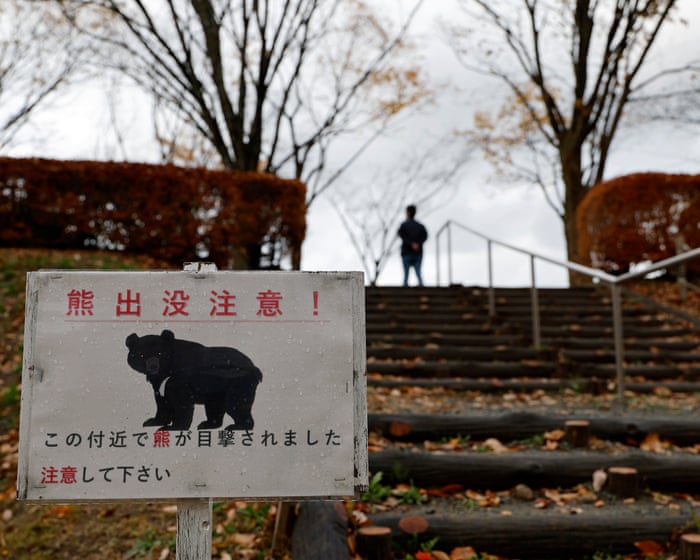
Emerging from hibernation, bears in Japan's northern regions are venturing into urban areas with increasing frequency. This year has already seen a record number of sightings and attacks, prompting authorities to issue urgent warnings. The recent discovery of a woman’s body and the injury of a police officer underscore the severity of the situation.
Some argue that these incidents are exaggerated and that proper education on bear safety can mitigate risks. They point out that bear encounters remain rare compared to other wildlife threats, making the current alarm seem overblown.
The risk lies in underestimating the scale of human-bear conflicts as urban sprawl encroaches further into natural habitats.
Local tourism boards may downplay risks to attract visitors during peak holiday seasons.
As more people venture into natural areas during holidays, conflicts will likely intensify unless proactive measures are taken to manage both human behavior and wildlife habitats.
Public opinion will sharply divide between those who see bears as a looming threat and others advocating for coexistence. The former group will push for stricter regulations on bear encounters, while the latter will argue for education and conservation efforts.
Pulse Insight
AI Insight is generated based on real-time global trends and contextual data analysis.
Hidden Trade-off
While efforts focus on protecting humans, the silent price is the potential neglect of bear conservation. As bears adapt to urban environments, they face new threats like habitat loss and human conflict, undermining long-term survival strategies.