
Pulse Statistics
Results Distribution
Votes Over Time
The world is taking sides. Your nation's pulse is missing.
Global pulses are showing up strong. Don't let your nation's identity disappear. Every beat shapes the global consensus.

Bringing back ISIS-linked families is a national security nightmare.
What happened?
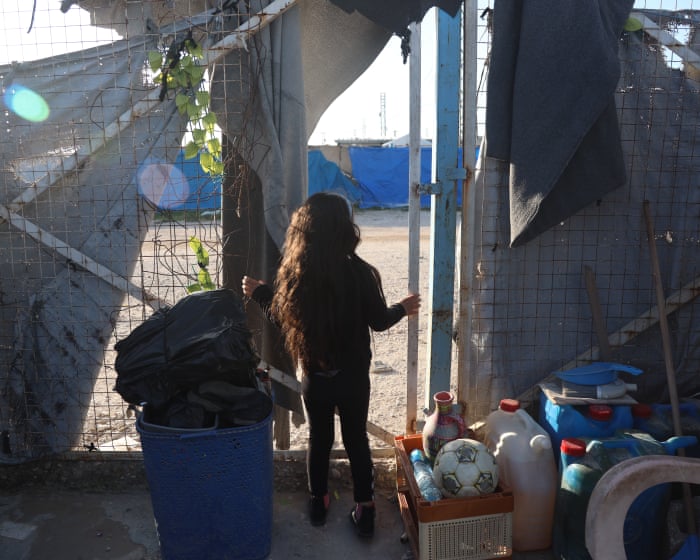
Four Australian women and nine of their children connected to ISIS are set to return home from Syria. Despite facing criminal charges, concerns linger over their possible continued allegiance to extremist groups and the security risks they present.
Supporters argue that these families deserve a chance at rehabilitation and reintegration into society. They claim this approach is more humane and effective in long-term national security than outright rejection.
The risk of these individuals maintaining ties to extremist networks and potentially recruiting others upon return.
Political pressure to appear compassionate versus the imperative to protect public safety.
This decision sets a precedent for how future cases involving suspected extremists will be handled. It will likely lead to ongoing debates over balancing rehabilitation with strict security measures.
Public opinion will sharply divide along lines of national security versus compassion. Those prioritizing safety will strongly oppose the return, while others may support it as a chance at redemption and societal reintegration.
Pulse Insight
AI Insight is generated based on real-time global trends and contextual data analysis.
Hidden Trade-off
While welcoming back these families may seem like a humanitarian move, it covertly endangers national security. The government's soft stance could embolden extremist ideologies and undermine efforts to combat terrorism.
Keep Exploring

Related to #security

Amazon's downtime in the Middle East is a catastrophic own goal.
The Toledo Zoo incident is a harbinger of public spaces becoming battlegrounds for security paranoia.

The Austrian military should prepare for a hostile invasion by neighboring powers.