
Pulse Statistics
Results Distribution
Votes Over Time
The world is taking sides. Your nation's pulse is missing.
Global pulses are showing up strong. Don't let your nation's identity disappear. Every beat shapes the global consensus.

Central banks are the new dictators of global suffering.
What happened?
Central banks are set to raise interest rates again in response to rising inflation. This move will likely lead to higher borrowing costs and reduced consumer spending, further exacerbating economic hardships for many. The impact on everyday people is immediate and severe, while those with substantial wealth can weather the storm more easily. Ultimately, this policy shift underscores a widening gap between the haves and have-nots.
Some argue that rate hikes are necessary to curb inflation and stabilize economies in the long run. They contend that without such measures, hyperinflation could spiral out of control, leading to even greater economic instability and suffering for all. The real question is whether the short-term pain justifies the long-term gain.
The risk lies in the potential for widespread recession triggered by overly aggressive rate hikes.
Central bankers often have ties to financial institutions that benefit from tighter monetary policies.
As inflation continues, expect more rate hikes that will further strain household budgets and increase economic disparities. The cycle of tightening measures could lead to a prolonged period of hardship for many, while the wealthy continue to thrive. This dynamic is likely to fuel public discontent and political unrest as the gap between rich and poor widens.
The debate over rate hikes will polarize society, with those benefiting from economic stability supporting central bank decisions, while those suffering economically will oppose them vehemently. The outcome will be a stark reflection of class divisions within societies.
Pulse Insight
AI Insight is generated based on real-time global trends and contextual data analysis.
Hidden Trade-off
While central banks aim to stabilize economies, their actions disproportionately harm lower-income individuals and families. The silent price is a deepening of social inequality as the poor struggle with higher costs while the rich find ways to protect their assets. This trade-off is rarely acknowledged in official statements but plays out starkly in real life.
Keep Exploring
Related Pulses

Negative gearing must be abolished immediately.
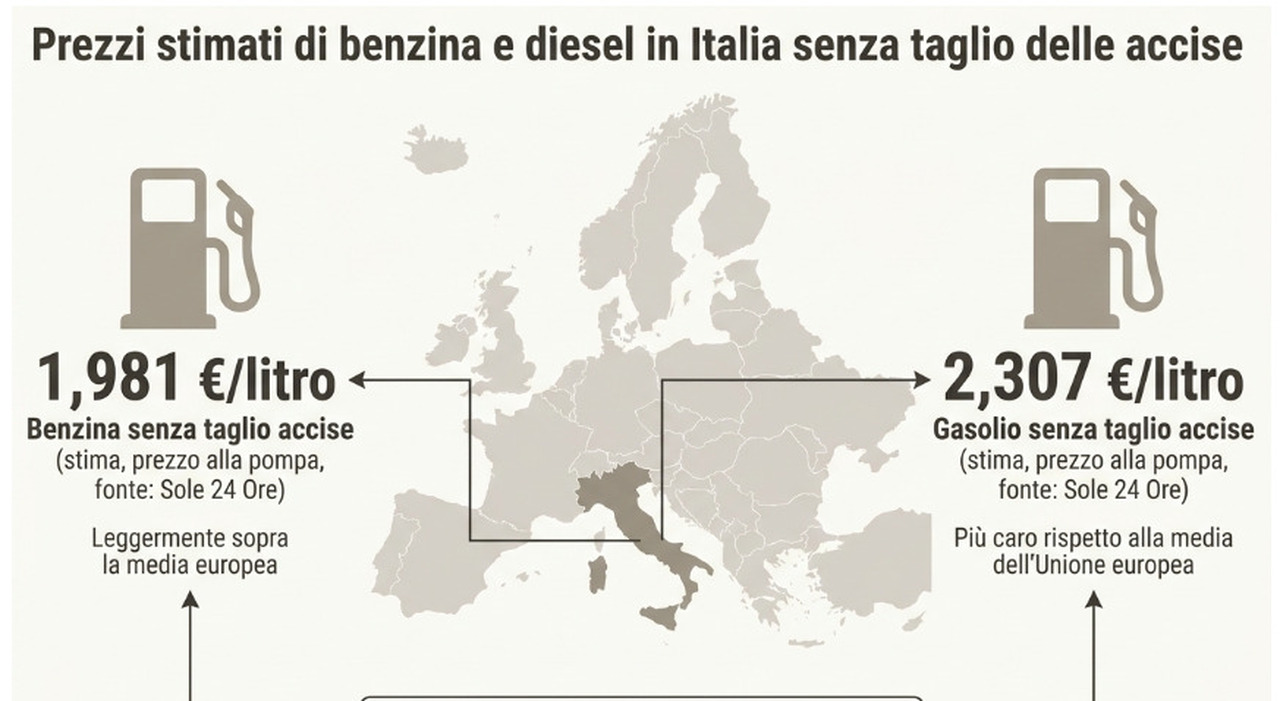
Cutting excise taxes on diesel is a catastrophic move for Italy's economy.
Boris Vallaud's anti-liberal stance will backfire, crippling France’s economic growth.