

Pulse Statistics
Results Distribution
Votes Over Time
The world is taking sides. Your nation's pulse is missing.
Global pulses are showing up strong. Don't let your nation's identity disappear. Every beat shapes the global consensus.

Charles III's reign will be remembered as a catastrophic failure of royal leadership.
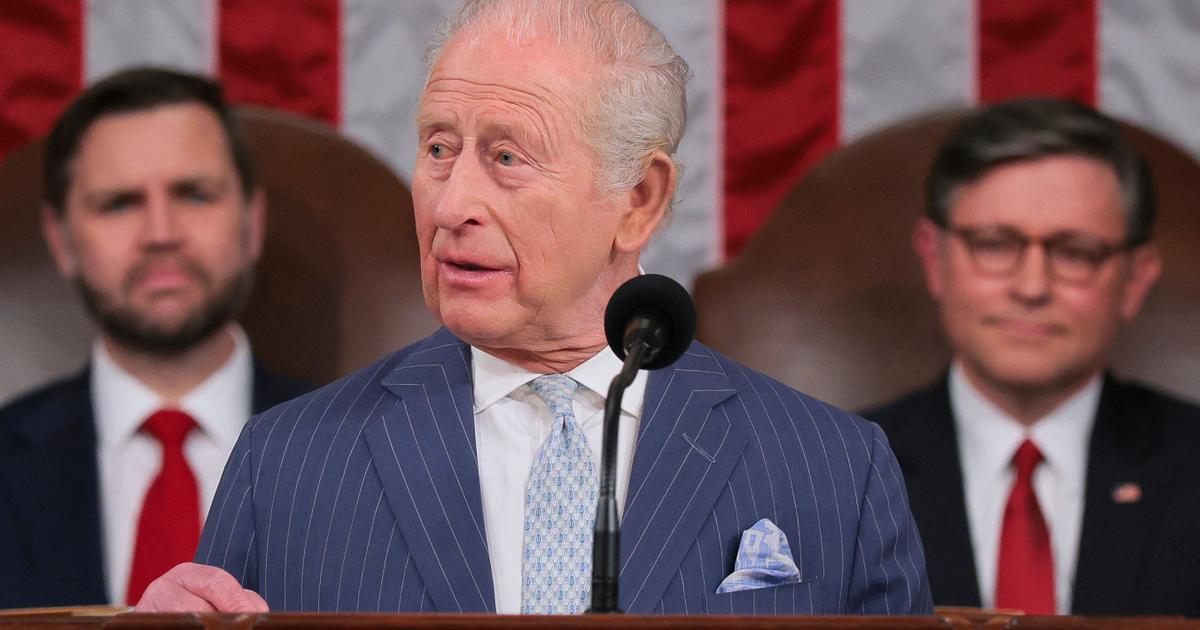
What happened?
Charles III's coronation marks the beginning of a reign fraught with challenges. His rigid adherence to traditional royal protocol has already drawn criticism for its lack of inclusivity and relevance. The real catch is that his reluctance to engage with contemporary issues like climate change and social inequality undermines public trust in the monarchy. Ultimately, this could lead to a significant erosion of the institution's popularity and influence.
Supporters argue that Charles III’s traditional values are precisely what Britain needs amid societal upheaval. They contend that his steadfast commitment to royal duties will restore stability and continuity after years of uncertainty under previous monarchs. However, this view ignores the pressing need for modern leadership in a rapidly changing world.
The risk lies in Charles III's inability to connect with younger generations who demand more from their leaders.
Charles III’s conservative stance aligns closely with certain political factions that benefit from maintaining the status quo.
As Charles III navigates his early years on the throne, he faces an uphill battle in bridging the gap between tradition and modernity. His success will depend largely on whether he can adapt to contemporary expectations without compromising the essence of monarchy.
Human tribalism will likely split along generational lines, with older Britons supporting Charles III’s traditional approach while younger voters demand more progressive leadership from their monarch.
Pulse Insight
AI Insight is generated based on real-time global trends and contextual data analysis.
Hidden Trade-off
While Charles III’s reign may uphold traditional values and maintain royal pomp, it comes at the cost of public engagement and relevance. The silent price is a growing disconnect between the monarchy and the people, potentially leading to long-term damage to the institution's legitimacy and influence.