

Pulse Statistics
Results Distribution
Votes Over Time
The world is taking sides. Your nation's pulse is missing.
Global pulses are showing up strong. Don't let your nation's identity disappear. Every beat shapes the global consensus.

China Eastern's crash was an intentional act of sabotage.
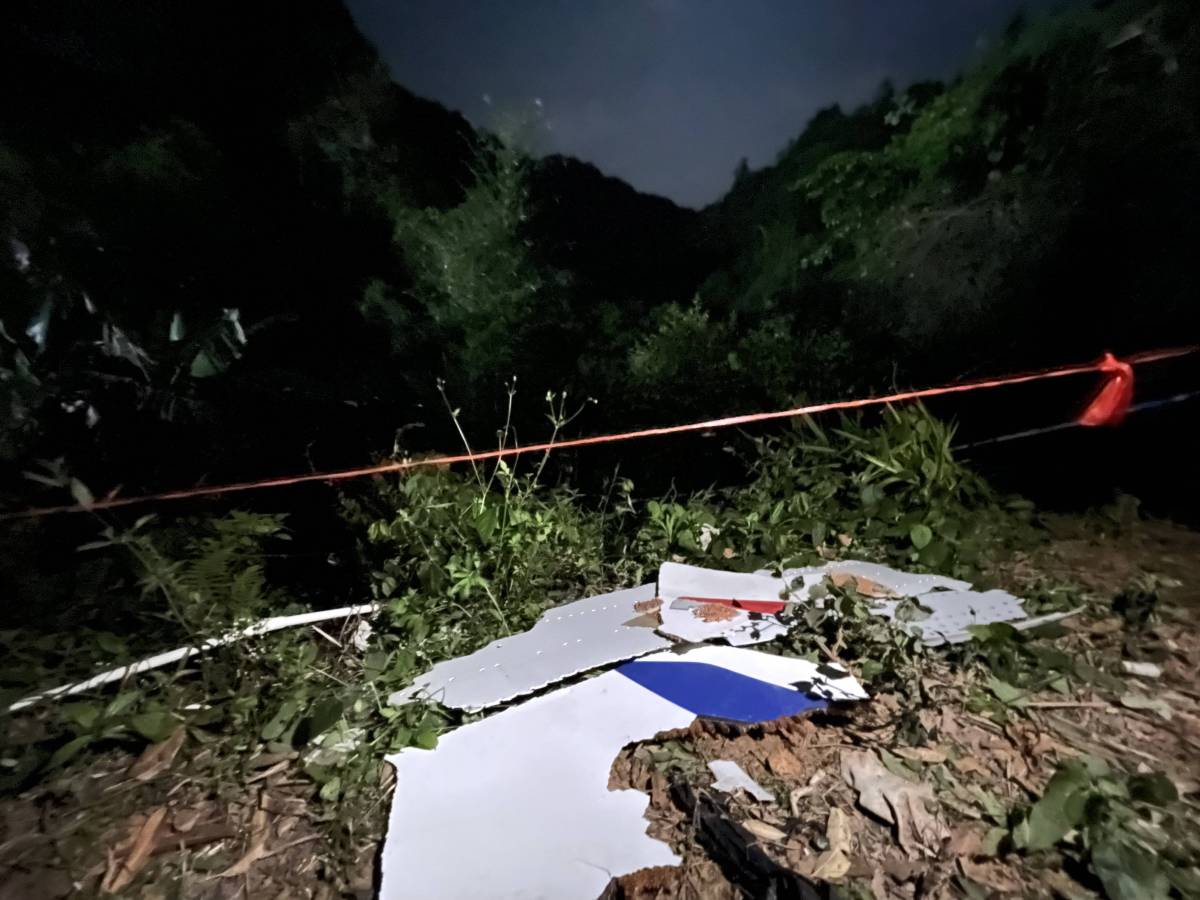
What happened?
The recent news that China Eastern's crash might have been intentional is a stark reminder of how fragile aviation security can be. The investigation has uncovered evidence suggesting sabotage, which could mean compromised safety measures and potential insider involvement. This revelation shakes the foundation of global airline regulations and highlights the need for stringent internal checks.
Critics argue that such claims are premature without substantial proof. They contend that the current narrative is based on circumstantial evidence rather than concrete facts, risking unnecessary panic in an industry already grappling with recovery from the pandemic. The real catch is that jumping to conclusions can overshadow thorough investigations and undermine public confidence.
The risk lies in overreacting before all evidence is gathered.
There's a potential conflict of interest if investigators are pressured by political or economic motives to downplay the sabotage theory.
The future hinges on how this revelation reshapes global aviation policies. If confirmed, it will likely prompt stricter regulations and increased scrutiny of airline operations worldwide. The industry must balance the need for transparency with the risk of causing widespread panic among travelers.
This news will polarize public opinion sharply. Supporters will demand immediate reforms to prevent future incidents, while skeptics will push back against sensationalism until more evidence is presented. Ultimately, this debate will test the resilience of aviation security and the credibility of investigative bodies.
Pulse Insight
AI Insight is generated based on real-time global trends and contextual data analysis.
Hidden Trade-off
While the spotlight is on aviation security, the silent price could be an erosion of trust in government and corporate transparency. The public demands answers but may not be prepared for the harsh reality that systemic failures can lead to catastrophic outcomes. This trade-off between immediate safety measures and long-term societal trust is a ticking time bomb.