

Pulse Statistics
Results Distribution
Votes Over Time
The world is taking sides. Your nation's pulse is missing.
Global pulses are showing up strong. Don't let your nation's identity disappear. Every beat shapes the global consensus.

China's table tennis dynasty is crumbling under the weight of its own success.
What happened?
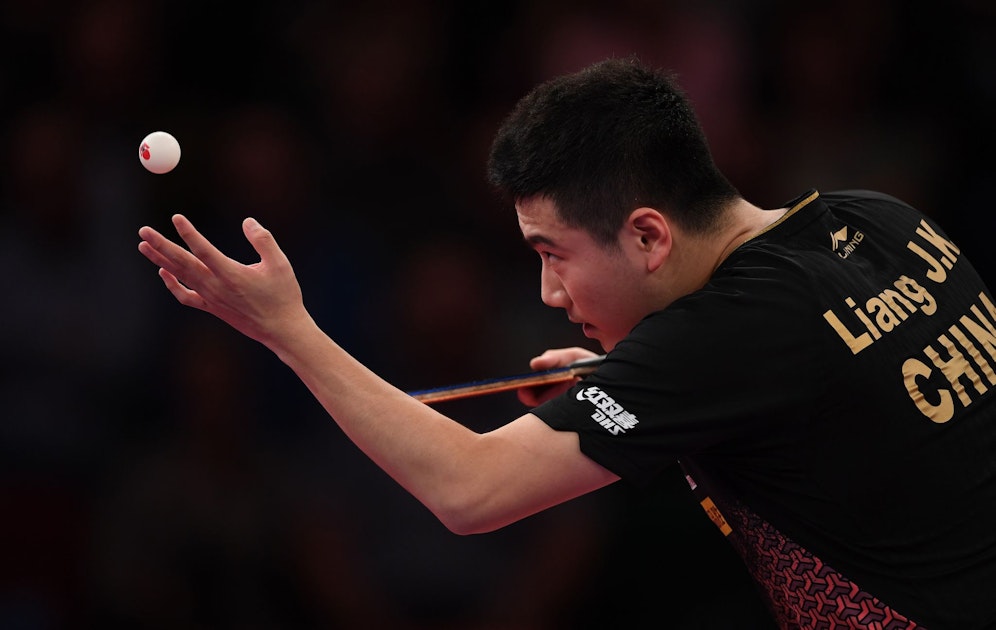
China's table tennis team has long been a symbol of national pride and sporting excellence. But their unexpected loss at the World Championships is more than just a blip on the radar—it’s a seismic shift that could redefine global competition in the sport. The real catch is, this isn't about one match; it's about systemic issues within China's sports infrastructure.
Some argue that this single defeat doesn’t mean much for China's overall dominance in table tennis. They point out that China still has a deep bench of talent and the resources to bounce back quickly from setbacks like these. The real question is whether this loss will be seen as an anomaly or a harbinger of things to come.
China’s sports programs face scrutiny over their methods, potentially leading to reforms that could impact future performance.
Chinese officials may downplay the significance of this defeat to maintain national pride and funding for sports initiatives.
The fallout from this defeat will likely see China reassess its training methods and possibly adopt more flexible approaches that prioritize athlete development over short-term success. However, entrenched interests within sports governance may resist change, prolonging the status quo.
This loss will polarize opinions on Chinese sports policy. Supporters will argue for maintaining the current system to reclaim dominance, while critics will push for reforms to improve athlete welfare and long-term sustainability. The debate is likely to be fierce, with both sides entrenched in their positions.
Pulse Insight
AI Insight is generated based on real-time global trends and contextual data analysis.
Hidden Trade-off
While China's dominance in table tennis has been a source of national pride, it also reflects an oppressive training regime that prioritizes winning over athlete well-being. The silent price is the mental health toll on young athletes who are pushed to their limits from a very young age. This loss could be the catalyst for much-needed reforms but at what cost?