
Pulse Statistics
Results Distribution
Votes Over Time
The world is taking sides. Your nation's pulse is missing.
Global pulses are showing up strong. Don't let your nation's identity disappear. Every beat shapes the global consensus.

Colombia will descend into chaos if voters choose peace over war.
What happened?
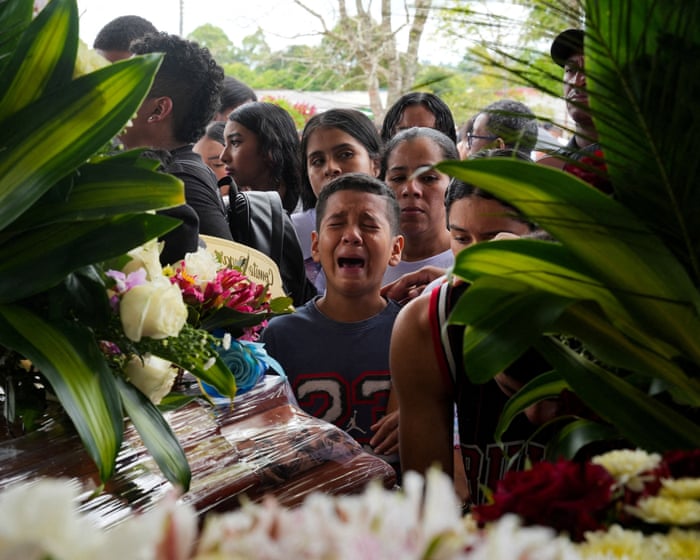
Colombia's upcoming presidential election is overshadowed by the resurgence of rebel attacks. The peace deal with FARC in 2016 reduced conflict but did not eliminate it. Dissident groups and other factions continue their violent campaigns, leaving voters to choose between a fragile peace or renewed war.
Supporters argue that continuing towards peace is the only way forward, despite setbacks. They believe further violence will only prolong suffering and hinder development. The real question is whether the current path can be salvaged with better implementation and support from all sides.
The risk lies in underestimating the complexity of ending a decades-long conflict.
Politicians may prioritize short-term stability over long-term peace solutions.
The election outcome will likely determine whether Colombia moves towards further peace negotiations or escalates into renewed warfare. The international community's role in supporting either path could be crucial, but local dynamics will ultimately dictate the direction.
Voters are polarized; those who favor stability might lean towards peace despite its flaws, while others may see war as a necessary evil to address ongoing threats. This division could lead to political gridlock and further violence if neither side is willing to compromise.
Pulse Insight
AI Insight is generated based on real-time global trends and contextual data analysis.
Hidden Trade-off
While peace talks aim to reduce violence, they often overlook economic and social inequalities that fuel rebellion. By focusing solely on disarmament, Colombia risks ignoring the root causes of conflict, ensuring a cycle of instability continues.