
Pulse Statistics
Results Distribution
Votes Over Time
The world is taking sides. Your nation's pulse is missing.
Global pulses are showing up strong. Don't let your nation's identity disappear. Every beat shapes the global consensus.

Cutting excise taxes on diesel is a catastrophic move for Italy's economy.
What happened?
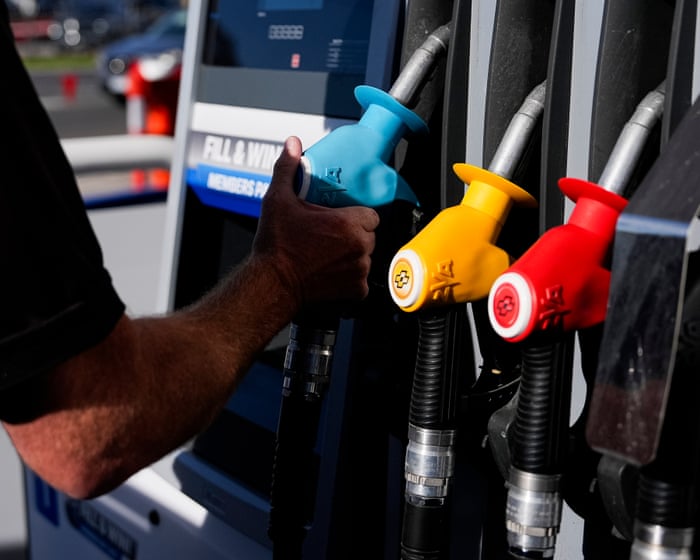
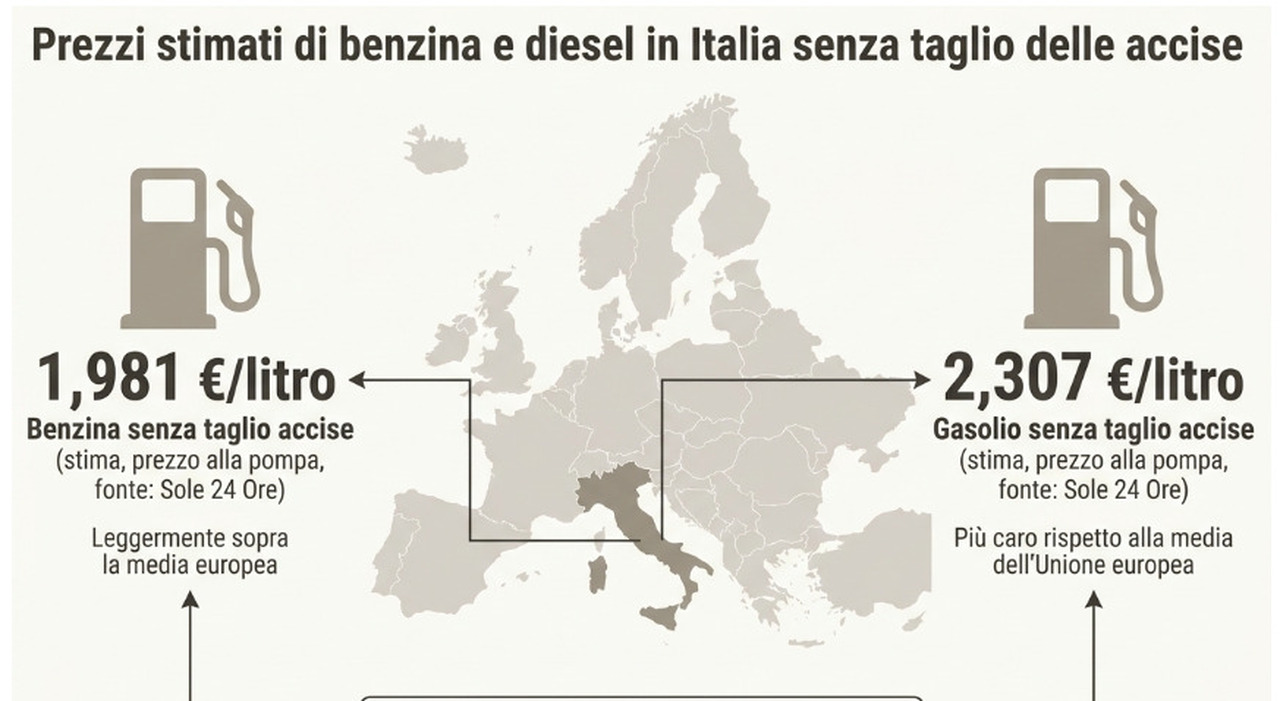
Italy is grappling with high diesel prices, prompting discussions about tax cuts. While this might provide short-term relief for drivers, it risks long-term economic instability by depleting public funds needed for essential services and infrastructure. The real catch is that such a move could trigger inflationary pressures and weaken the lira.
Supporters argue that reducing diesel taxes will stimulate consumer spending and boost the economy. They claim it's a necessary step to combat rising fuel costs and support struggling households. However, this overlooks the broader economic consequences of reduced state revenues and potential market instability.
The risk lies in undermining Italy’s fiscal credibility on the global stage.
Politicians may prioritize short-term popularity over long-term stability.
If excise taxes are cut, Italy may face increased scrutiny from international creditors and rating agencies. This could result in downgraded credit ratings and higher interest rates on government bonds, further straining the national budget. The decision will likely be seen as a short-sighted policy that sacrifices long-term stability for fleeting political gains.
This move will polarize public opinion sharply. Supporters will hail it as a relief measure for hard-hit families and businesses, while critics will view it as reckless fiscal management that endangers Italy's economic future. Ultimately, the decision will be seen through the lens of immediate versus long-term benefits.
Pulse Insight
AI Insight is generated based on real-time global trends and contextual data analysis.
Hidden Trade-off
While cutting taxes might ease immediate financial burdens, it comes at the cost of future economic security. The silent price is a weakened national budget and potential loss of investor confidence, which could lead to higher borrowing costs and reduced foreign investment.
Keep Exploring

Related Pulses
Boris Vallaud's anti-liberal stance will backfire, crippling France’s economic growth.
19 beats
The war in the Middle East is turning Australia's economy into a survival game for the poor.
17 beats