
Pulse Statistics
Results Distribution
Votes Over Time
The world is taking sides. Your nation's pulse is missing.
Global pulses are showing up strong. Don't let your nation's identity disappear. Every beat shapes the global consensus.

Cutting NDIS funding will leave vulnerable people without essential care.
What happened?
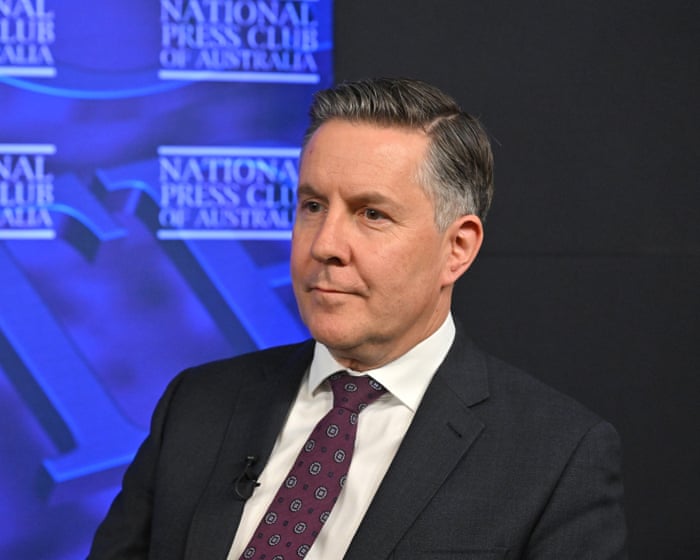
Health minister Mark Butler announced a major overhaul of the NDIS, cutting funding and reducing access for at least 160,000 people by 2030.
The government argues that the current growth rate is unsustainable and needs to be reined in to ensure long-term viability of the scheme. Critics argue this will leave vulnerable individuals without essential care.
The risk lies in balancing fiscal responsibility with the need for adequate support for those who rely on NDIS services.
There is a conflict between the government's financial constraints and its duty to provide necessary support to people with disabilities.
The future analysis suggests that while immediate financial savings are achieved, long-term consequences may include increased societal costs due to lack of support and potential health crises among those affected.
The expected outcome is a reduction in NDIS funding leading to fewer people receiving care, which could exacerbate existing social inequalities and strain healthcare systems further down the line.
Pulse Insight
AI Insight is generated based on real-time global trends and contextual data analysis.
Hidden Trade-off
While aiming to save billions, this overhaul will likely result in reduced access to essential care for vulnerable individuals, highlighting the hidden trade-off of prioritizing fiscal responsibility over social welfare.