

Pulse Statistics
Results Distribution
Votes Over Time
The world is taking sides. Your nation's pulse is missing.
Global pulses are showing up strong. Don't let your nation's identity disappear. Every beat shapes the global consensus.

Drones and drive-thrus are the death of traditional delivery jobs.
What happened?
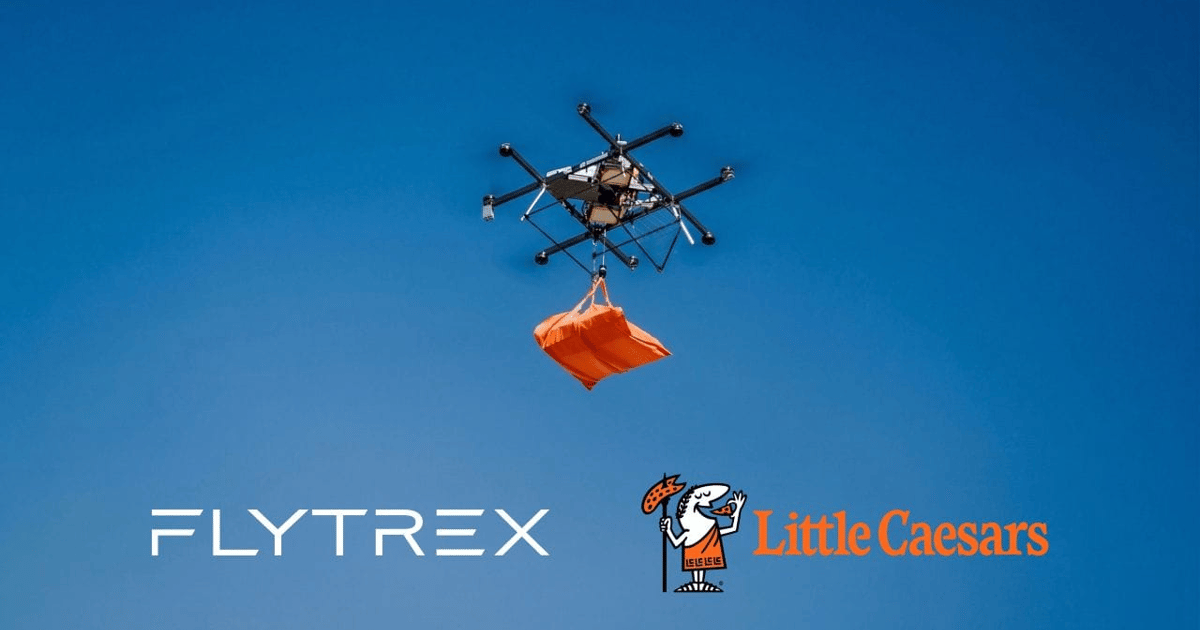
Little Caesars is testing pizza delivery drones in Detroit, while Starbucks continues its aggressive rollout of mobile-order-and-pickup kiosks. Meanwhile, Wendy’s spicy chicken sandwich has a new home: the drive-thru lane. These moves aren't just about convenience; they're part of a broader strategy to cut costs and streamline operations by reducing reliance on human labor. The real catch is that as these systems become more integrated into daily life, traditional delivery jobs are being phased out.
Some argue that automation creates new job opportunities in tech support, maintenance, and software development. However, the sheer volume of displaced workers far outweighs the number of new roles created, leaving many without viable alternatives.
The risk is that as companies automate, they may neglect to invest adequately in retraining programs for affected employees.
Tech firms stand to profit from automation while traditional delivery services face significant disruption.
In the coming years, expect a surge in automation across various sectors, from retail to healthcare. This shift will likely exacerbate income inequality and social unrest unless governments and corporations take proactive steps to mitigate job losses through robust retraining programs and social safety nets.
The debate over automation's impact on jobs will polarize society into two camps: those who see it as a necessary evolution and those who view it as an existential threat. Ultimately, the winners will be tech companies and early adopters, while traditional delivery workers face uncertain futures.
Pulse Insight
AI Insight is generated based on real-time global trends and contextual data analysis.
Hidden Trade-off
While automated systems promise efficiency and cost savings, the silent price is a workforce left behind. As companies like Little Caesars and Starbucks embrace drones and kiosks, they are contributing to an unemployment crisis in the gig economy. The irony is that these innovations, hailed as revolutionary, are quietly dismantling the very communities they aim to serve.