
Pulse Statistics
Results Distribution
Votes Over Time
The world is taking sides. Your nation's pulse is missing.
Global pulses are showing up strong. Don't let your nation's identity disappear. Every beat shapes the global consensus.

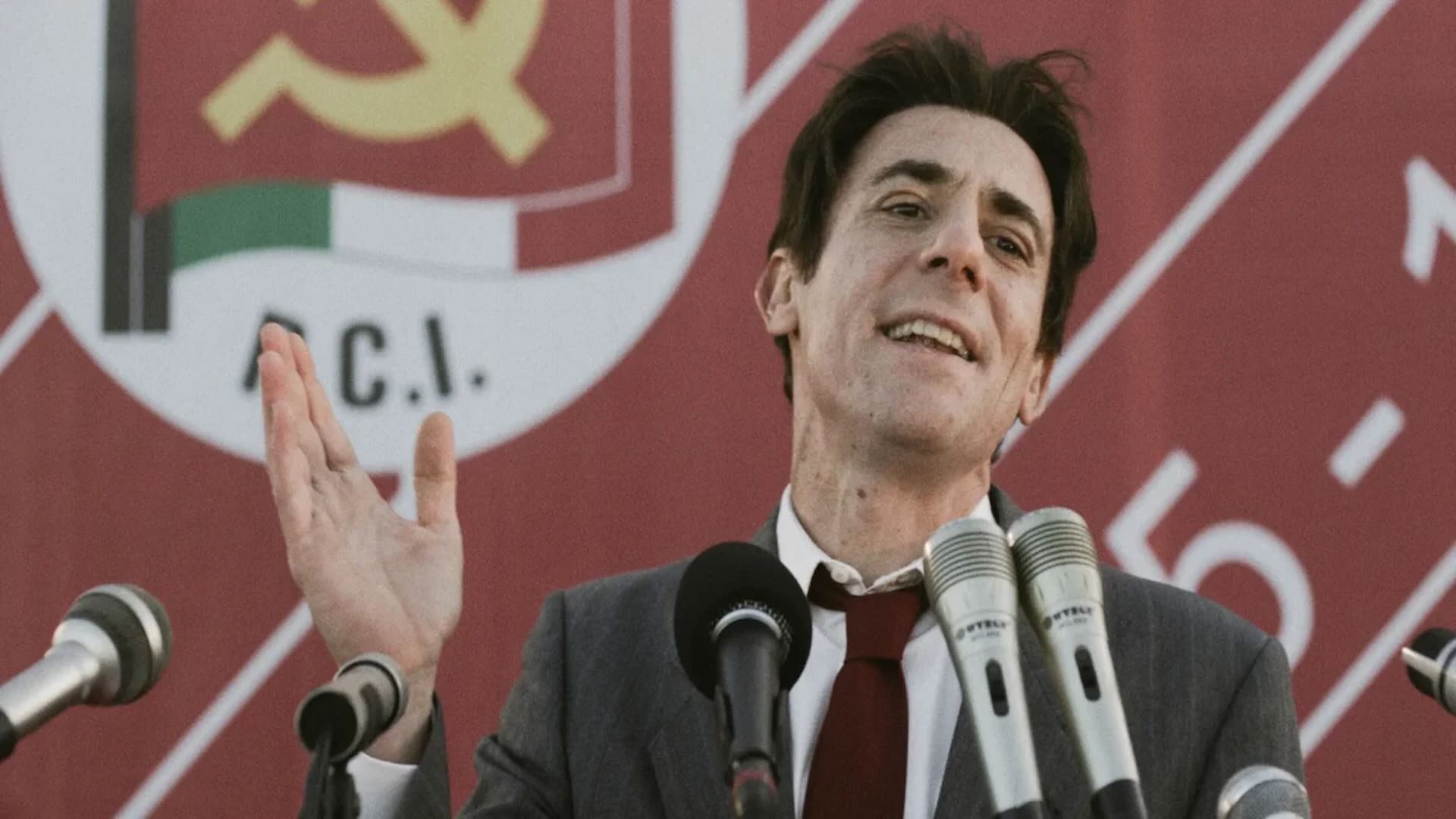
Elio Germano's portrayal of Berlinguer will rewrite Italian political history as a Hollywood blockbuster.
What happened?
Elio Germano stars in a biopic about Enrico Berlinguer, former leader of Italy's Communist Party. The film aims to highlight the lesser-known aspects of Berlinguer's life and his impact on Italian politics during the Cold War era. Critics are divided: some praise the ambitious attempt to revitalize interest in historical figures, while others question whether such a complex political figure can be effectively portrayed through cinema.
Critics argue that Germano’s portrayal might oversimplify Berlinguer's legacy and the intricate socio-political dynamics of his era. They fear that reducing such a significant period to entertainment could trivialize the struggles and achievements of those involved, potentially leading to a skewed understanding among younger viewers.
The risk lies in over-romanticizing political history at the expense of factual accuracy.
Political parties may use this film as propaganda for their own narratives.
The film’s success will likely influence future attempts to bring other significant political figures from history onto the big screen, potentially setting a precedent for how such narratives are crafted and consumed by the public.
This divisive project will split opinions sharply. Supporters will hail it as a groundbreaking effort to engage younger audiences with historical politics, while detractors will criticize it for oversimplifying complex issues and risking historical inaccuracy.
Pulse Insight
AI Insight is generated based on real-time global trends and contextual data analysis.
Hidden Trade-off
While the film aims to educate and inspire, it risks overshadowing Berlinguer's actual contributions by focusing on sensationalized aspects. This could lead to a superficial understanding of his political ideology and the broader context of Italian politics during that period. The silent price is the potential erosion of nuanced historical knowledge.