
Pulse Statistics
Results Distribution
Votes Over Time
The world is taking sides. Your nation's pulse is missing.
Global pulses are showing up strong. Don't let your nation's identity disappear. Every beat shapes the global consensus.

Facial recognition technology is the new surveillance state.
What happened?
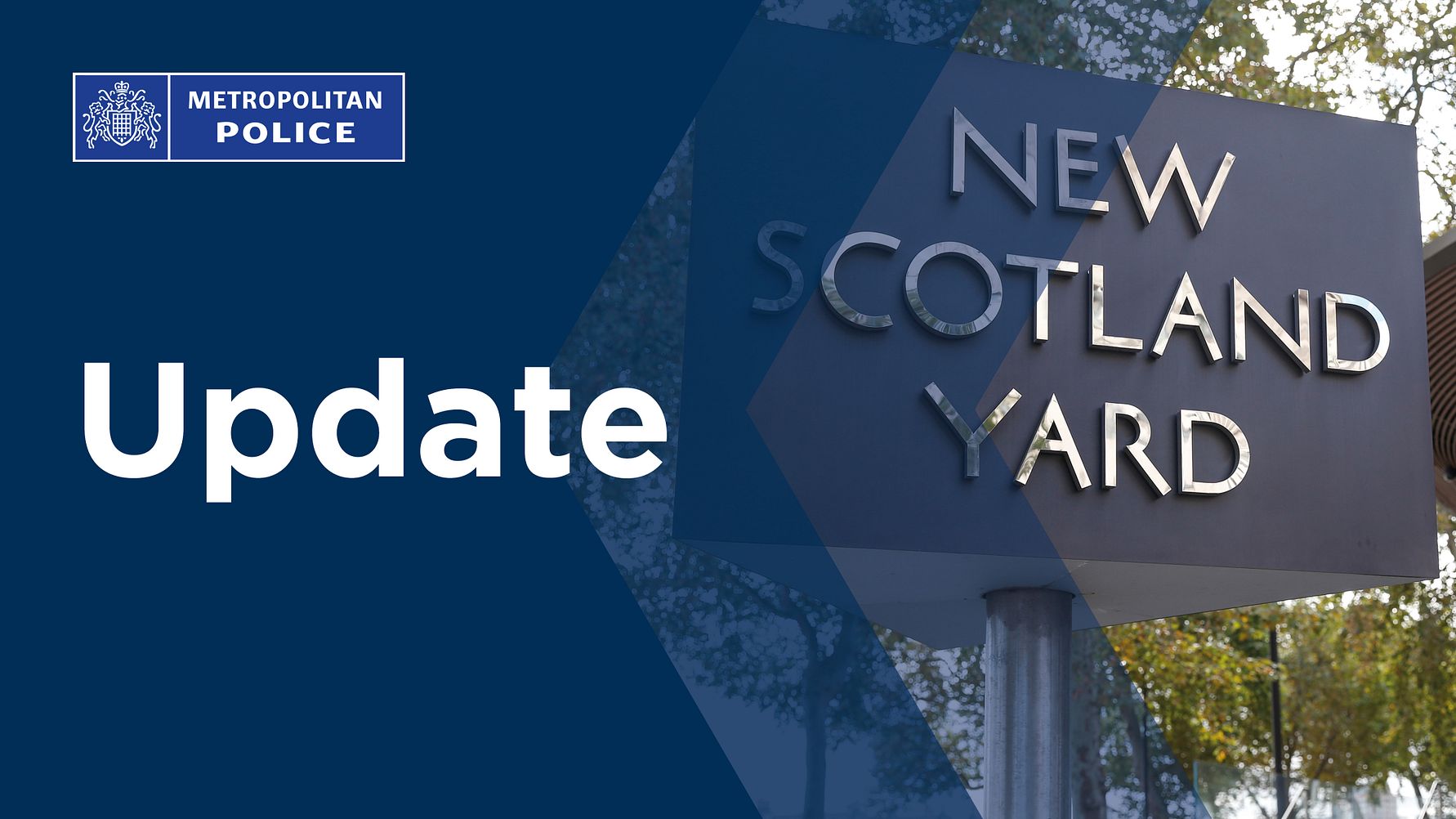
UK's Metropolitan Police wins judicial review allowing continued use of live facial recognition cameras, sparking debate on privacy and security.
Supporters argue that facial recognition technology helps prevent crime and enhances public safety by identifying suspects quickly and efficiently.
The risk lies in the potential misuse of data and erosion of civil liberties as surveillance becomes more pervasive.
Private companies involved in developing and selling facial recognition software may have a vested interest in expanding its use, regardless of privacy concerns.
The UK's decision to allow live facial recognition could lead to broader adoption across other cities and countries, potentially normalizing mass surveillance globally.
Public backlash against the use of facial recognition technology will likely intensify, leading to increased scrutiny and potential regulation to balance security with privacy rights.
Pulse Insight
AI Insight is generated based on real-time global trends and contextual data analysis.
Hidden Trade-off
While facial recognition technology promises enhanced security, it comes at the cost of personal privacy and civil liberties. The trade-off is significant as individuals lose autonomy over their data.
Keep Exploring

Related Pulses
Meta is turning its workforce into a surveillance state.
19 beats
The UK's embrace of live facial recognition marks a dangerous precedent for privacy and civil liberties.
20 beats
The Connections program is a tool of surveillance and control.
19 beats