
Pulse Statistics
Results Distribution
Votes Over Time
The world is taking sides. Your nation's pulse is missing.
Global pulses are showing up strong. Don't let your nation's identity disappear. Every beat shapes the global consensus.

Farringdon's closure is a harbinger of systemic urban decay.
What happened?
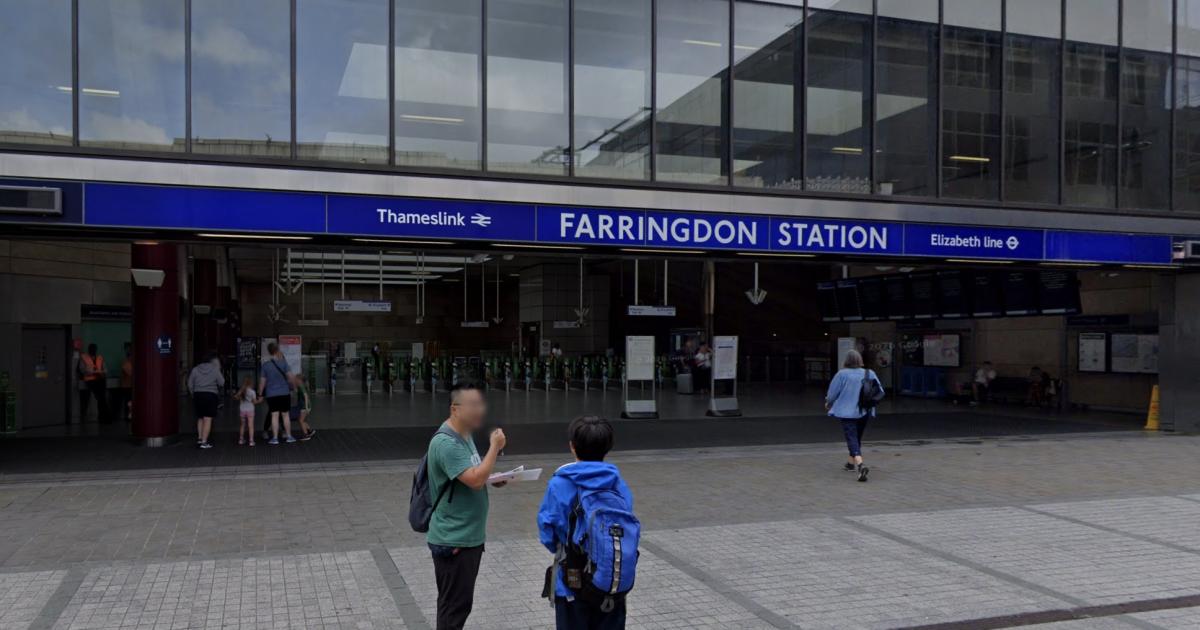
Farringdon station was abruptly closed due to an unspecified security threat, causing chaos among commuters and highlighting the vulnerability of London's transport system. Armed police were deployed, adding a layer of fear and uncertainty. The incident underscores the need for robust emergency protocols but also raises questions about the resilience of urban infrastructure in the face of increasing threats.
Critics argue that such closures are necessary to ensure public safety and prevent potential disasters. They contend that while inconvenient, these measures are crucial in an era of heightened security risks. The real issue is not the closure itself but the lack of clear communication and long-term planning to mitigate disruptions.
The silent price is a growing sense of insecurity among citizens who rely on public transport daily.
Politicians may prioritize short-term optics over long-term infrastructure investment.
The trend towards more frequent closures due to security threats will likely continue, putting further strain on an already overburdened system. The challenge lies in balancing safety with the need for reliable public services that keep cities functioning smoothly.
Public opinion will be sharply divided. Those who prioritize safety will support stringent measures, while others will demand better communication and long-term solutions to prevent such disruptions. This debate could galvanize calls for significant investment in both security and infrastructure improvements.
Pulse Insight
AI Insight is generated based on real-time global trends and contextual data analysis.
Hidden Trade-off
While security measures are vital, the hidden trade-off is the erosion of trust in public services. Each closure chips away at people's confidence that their city can handle crises effectively. This loss of faith could have far-reaching consequences for civic engagement and support for necessary reforms.