
Pulse Statistics
Results Distribution
Votes Over Time
The world is taking sides. Your nation's pulse is missing.
Global pulses are showing up strong. Don't let your nation's identity disappear. Every beat shapes the global consensus.

France’s stance on Iran is a knee-jerk reaction that serves only to escalate tensions.
Global Consensus
What happened?
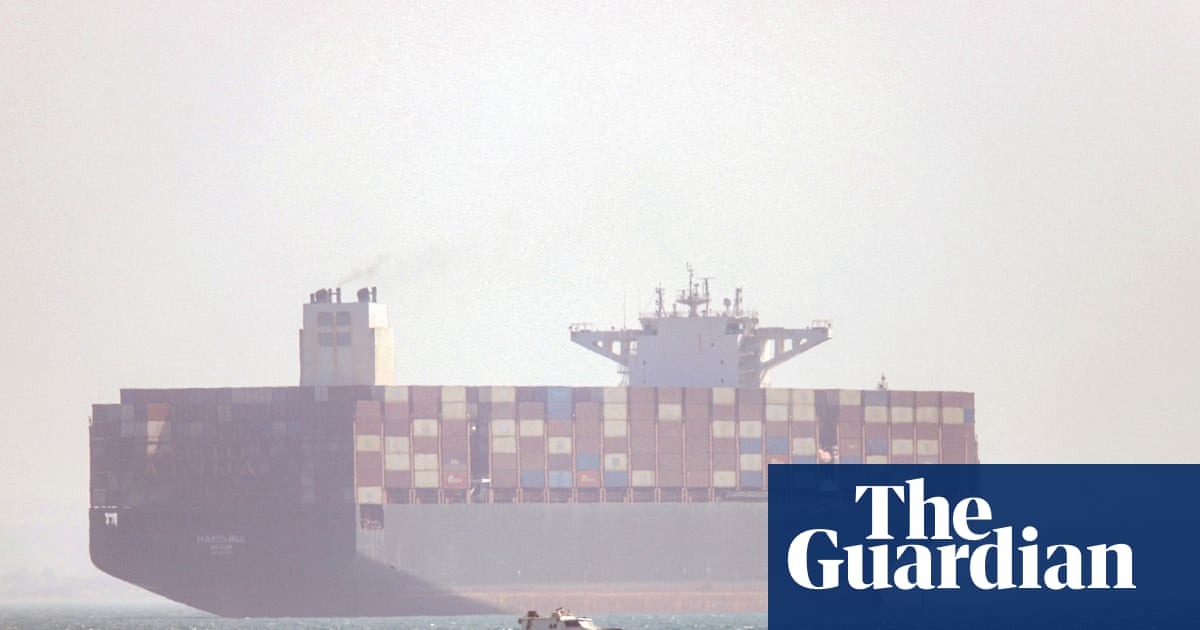
France’s defiant stance on sanctions against Iran amid the Strait of Hormuz blockade reveals an impulsive foreign policy that prioritizes rhetoric over resolution. This hardline approach risks further isolating France in a volatile region, while doing little to address immediate concerns like oil security.
Some argue this is necessary tough talk needed to deter Iranian aggression and protect European interests at the negotiating table. But when every word from Paris seems designed for headlines rather than peace talks?
The risk here isn't just a diplomatic fallout; it's an economic one.
As tensions rise around Ormuz, expect more saber-rattling from Paris, which could easily backfire if Iran retaliates against European interests elsewhere. The question is whether France will pivot to a smarter strategy before it’s too late—or continue on this reckless path?
Public opinion in Europe and the Middle East likely splits sharply over Barrot's stance: those who see it as bold defiance versus others viewing it as dangerous brinkmanship that could spark wider conflict.
Pulse Insight
AI Insight is generated based on real-time global trends and contextual data analysis.
Hidden Trade-off
While France aims to project strength and solidarity with allies, the hidden trade-off is its own credibility in resolving regional conflicts. This hardline stance may win applause at home but undermines any hope for meaningful dialogue or stability.
Keep Exploring


Related to #iran
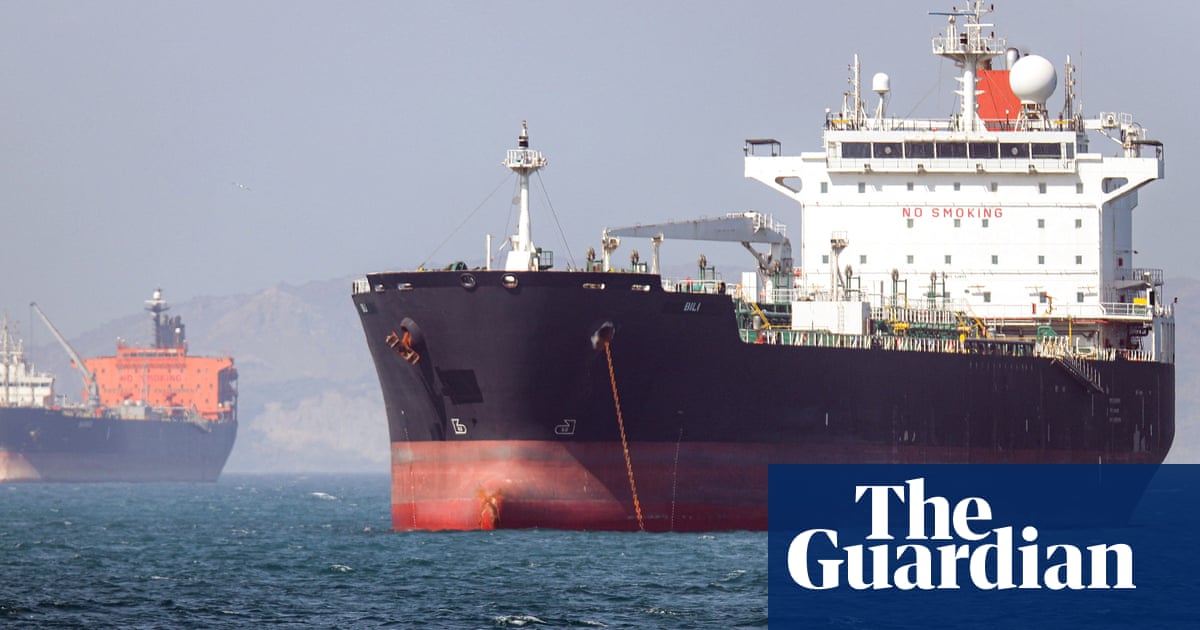
Trump's bluster on the Strait of Hormuz is a dangerous bluff that emboldens reckless behavior.
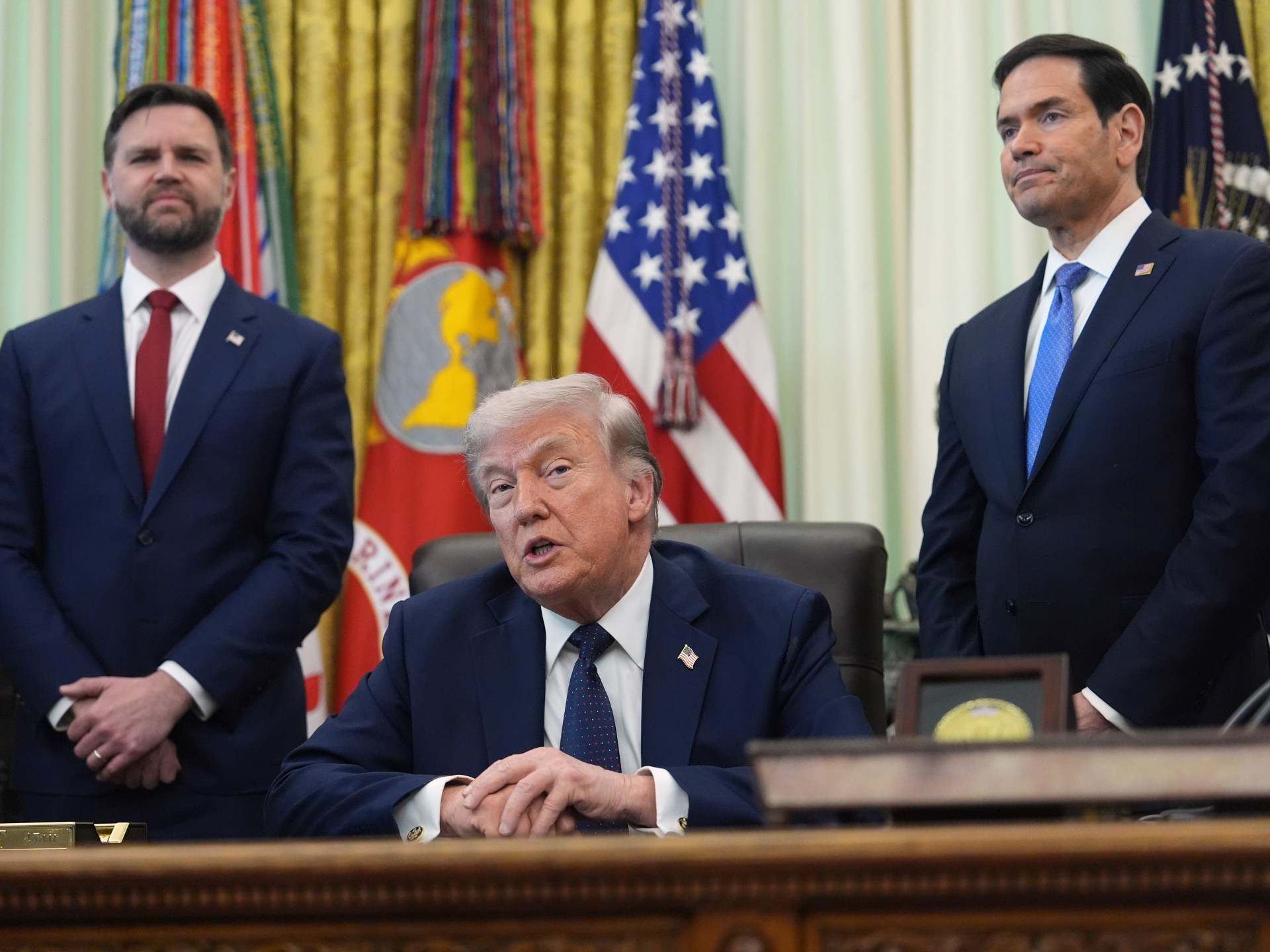
The U.S. is surrendering sovereignty by accepting Iran's bizarre negotiation tactics.