
Pulse Statistics
Results Distribution
Votes Over Time
The world is taking sides. Your nation's pulse is missing.
Global pulses are showing up strong. Don't let your nation's identity disappear. Every beat shapes the global consensus.

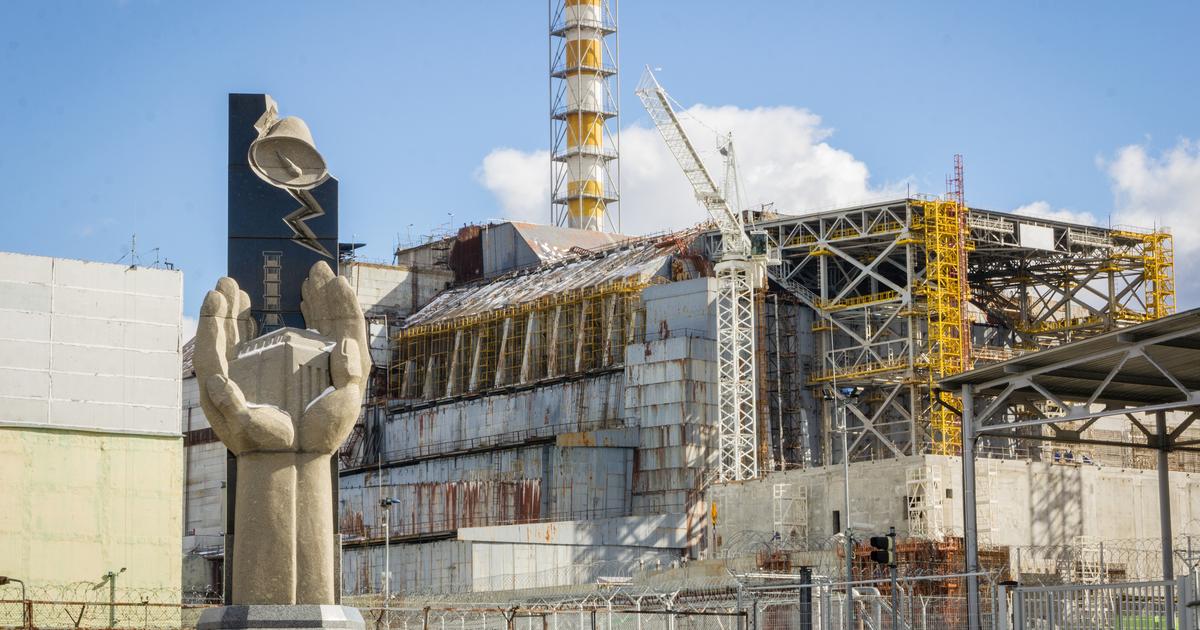
Fukushima's dark tourism and reactor restarts signal the end of nuclear safety.
What happened?
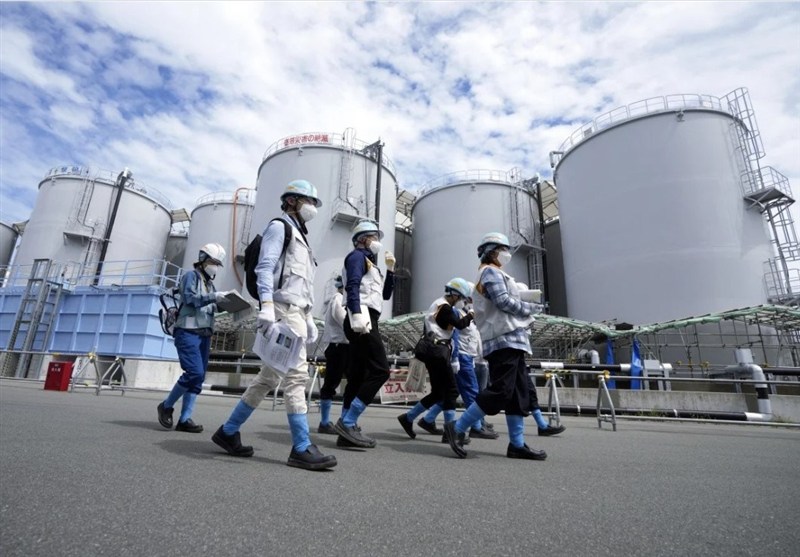
Japan is witnessing a surge in dark tourism at Fukushima, coinciding with the restart of nuclear reactors. The influx of visitors seeking out the site of one of history's worst nuclear disasters underscores a troubling acceptance of risk. Ultimately, this trend signals a broader societal shift towards prioritizing energy security over safety.
Critics argue that dark tourism and reactor restarts are necessary steps for Japan to regain economic stability and ensure reliable power supply. They contend that stringent safety measures have been implemented since the Fukushima disaster, making nuclear energy safer than ever before.
The silent price is a potential repeat of past failures due to complacency and inadequate oversight.
Energy companies lobbying for reactor restarts may downplay risks to boost profits.
As Japan continues to balance energy needs with safety concerns, the trend towards dark tourism at Fukushima will likely intensify. This shift reflects broader societal attitudes towards risk acceptance in the face of economic necessity.
Public opinion will sharply divide along lines of economic pragmatism versus environmental and public health concerns. Those who prioritize short-term stability will support reactor restarts, while others will advocate for safer alternatives.
Pulse Insight
AI Insight is generated based on real-time global trends and contextual data analysis.
Hidden Trade-off
While the economic benefits of dark tourism and nuclear power are clear, the hidden cost lies in public health and safety. The normalization of risk means that another disaster could be just a misstep away, with devastating consequences for communities and ecosystems.
Keep Exploring
Related Pulses