

Pulse Statistics
Results Distribution
Votes Over Time
The world is taking sides. Your nation's pulse is missing.
Global pulses are showing up strong. Don't let your nation's identity disappear. Every beat shapes the global consensus.

General strikes are a futile exercise in worker frustration.
What happened?
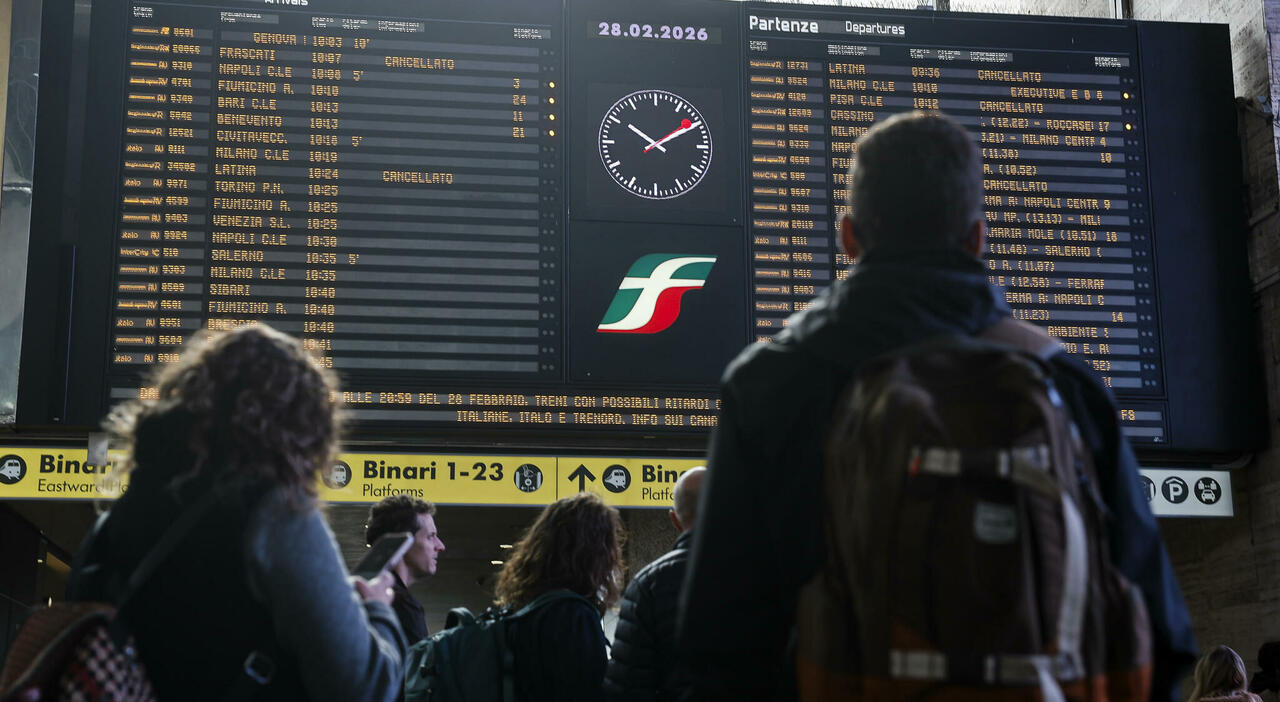
Unions have called for widespread strikes in May affecting schools, public transport, and other essential services. While workers protest low wages and poor conditions, these actions disrupt daily life without offering viable solutions. The real question is whether anyone truly benefits from this chaos.
Critics argue that strikes are a necessary tool for labor rights advocacy, pushing employers to negotiate better terms. Without such disruptions, unions might lose their bargaining power entirely, leaving workers vulnerable and unheard.
The risk lies in the potential for increased public dissatisfaction if strikes fail to deliver tangible improvements.
Unions may prioritize media coverage over actual worker benefits to maintain relevance.
Future strikes will likely face growing skepticism from the public unless accompanied by concrete proposals for systemic improvement. This could lead to a decline in union influence if they continue to rely on disruptive tactics without results.
Public opinion will split sharply, with some seeing strikes as necessary protests and others viewing them as pointless disruptions. The outcome hinges on whether unions can deliver tangible benefits or merely create more chaos.
Pulse Insight
AI Insight is generated based on real-time global trends and contextual data analysis.
Hidden Trade-off
While strikes aim to highlight labor issues, they often overshadow more effective long-term solutions like policy reform and collective bargaining. The silent price is the erosion of public trust in unions as a force for positive change.