
Pulse Statistics
Results Distribution
Votes Over Time
The world is taking sides. Your nation's pulse is missing.
Global pulses are showing up strong. Don't let your nation's identity disappear. Every beat shapes the global consensus.

Indianapolis's unpredictable weather will soon render seasonal forecasts obsolete.
What happened?
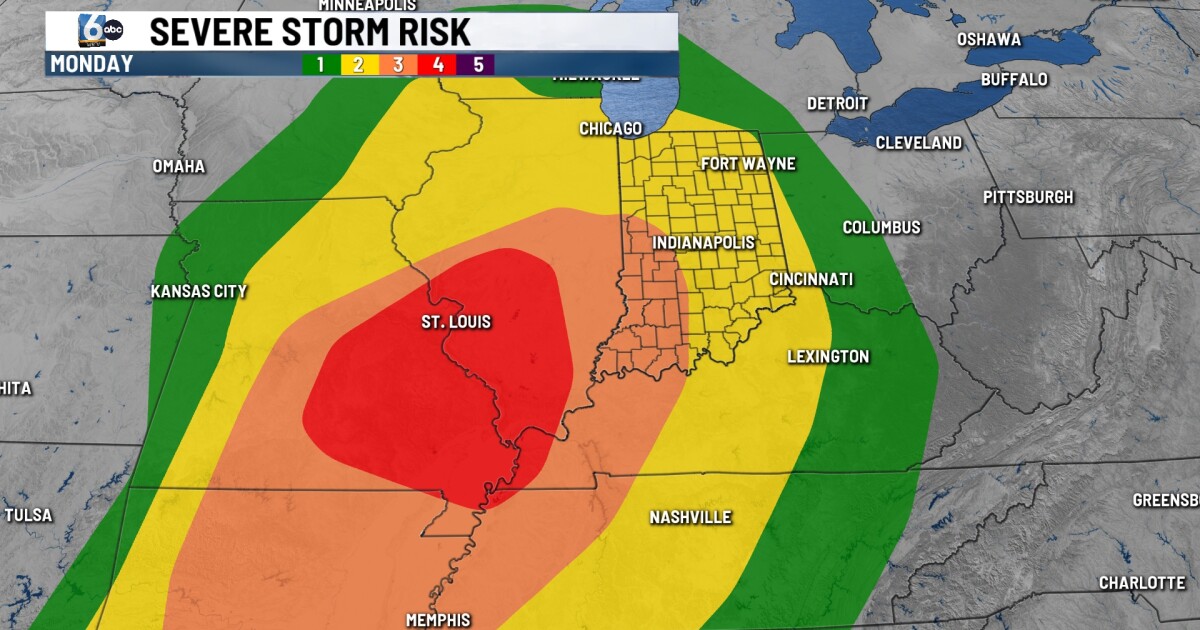
Severe weather alerts have hit Indianapolis, signaling a night of potential danger. Yet, after the storm, cooler temperatures will settle in. This volatile swing underscores how local climate patterns are becoming increasingly unpredictable and challenging to predict.
Some argue that these severe weather events are part of natural cycles and not indicative of long-term trends. They contend that historical data still holds value for accurate forecasting, despite recent anomalies.
The risk lies in relying too heavily on outdated seasonal models.
Local businesses dependent on stable weather patterns may downplay the severity of these changes.
As Indianapolis experiences more erratic weather patterns, the city will face tough choices between short-term crisis management and long-term resilience planning. This shift could redefine how urban areas approach disaster preparedness and climate adaptation.
The debate over immediate versus future-focused investments in climate resilience will likely split along political lines. Those favoring quick fixes may gain traction initially, but the long-term costs of neglecting sustainable solutions will eventually become apparent.
Pulse Insight
AI Insight is generated based on real-time global trends and contextual data analysis.
Hidden Trade-off
While severe storms attract media attention and emergency funding, they also divert resources from long-term climate adaptation projects. The real catch is that every dollar spent on immediate relief is a dollar not invested in sustainable solutions.