
Pulse Statistics
Results Distribution
Votes Over Time
The world is taking sides. Your nation's pulse is missing.
Global pulses are showing up strong. Don't let your nation's identity disappear. Every beat shapes the global consensus.

Iran's strike on the UAE is a premeditated act of war.
What happened?
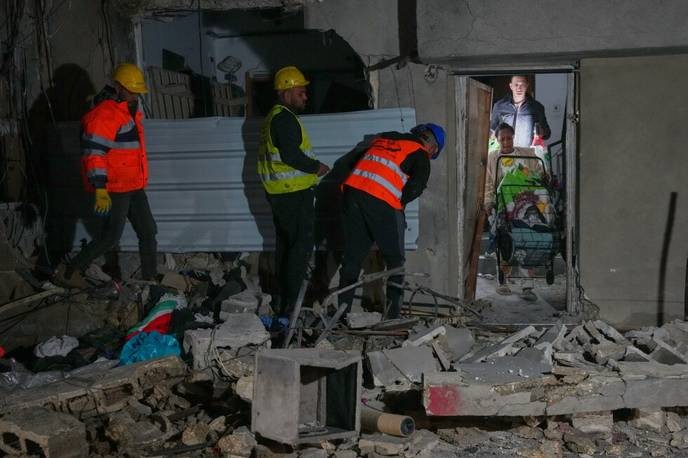
Iran hit Fujairah, an essential oil port in the UAE's eastern coast. This act goes beyond mere provocation—it is a full-blown military operation designed to send Iran's adversaries into defensive postures and potentially draw other nations into direct confrontation.
A rational skeptic might argue that this incident doesn’t rise to the level of 'war' but rather represents an escalation in regional tensions. Critics may see it as a tactical move aimed at leveraging economic pressure without triggering outright military conflict—a dangerous game, yes, but not war by international standards.
The risk lies not just with direct retaliation from affected countries but also the broader implications for global oil prices and energy security.
As tensions rise between nations over this incident, Iran’s actions will likely lead to increased military posturing by regional powers like Saudi Arabia and Israel—a dangerous trend that could spiral into full-scale conflict if diplomacy fails. This isn't just a flashpoint; it's the fuse of an explosive situation.
Expect public opinion in affected countries to harden, pushing leaders toward retaliation rather than negotiation—fueling tribal divides not only within nations but across international alliances as well.
Pulse Insight
AI Insight is generated based on real-time global trends and contextual data analysis.
Hidden Trade-off
While Iran's goal is to force a diplomatic discussion through military brinksmanship, they’ve quietly sowed seeds of uncertainty in international trade networks. The hidden price here isn’t just geopolitical turmoil but the potential economic fallout from disrupted supply chains and skyrocketing oil prices.
Keep Exploring


Related to #iranattack

The UAE's exit marks the beginning of OPEC's irrelevance in global oil markets.
The UAE's 'Nafas' program is a death sentence for traditional industries.
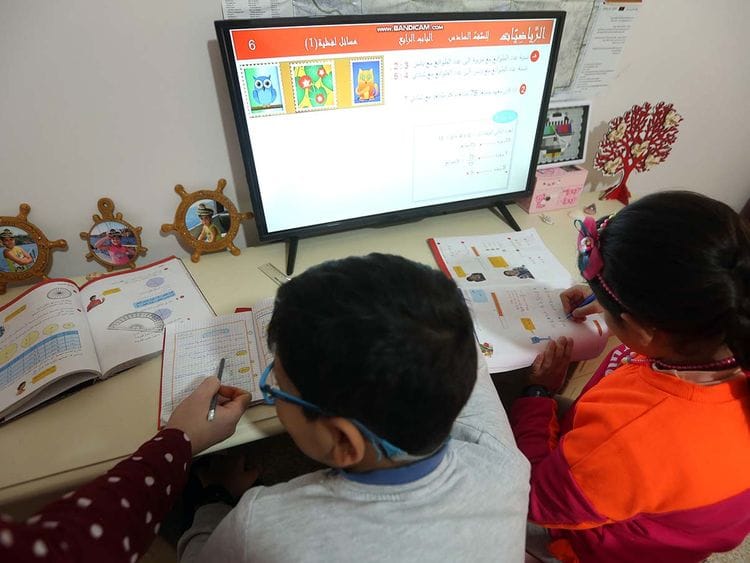
UAE's refusal to extend distance learning until May proves commitment to in-person education