
Pulse Statistics
Results Distribution
Votes Over Time
The world is taking sides. Your nation's pulse is missing.
Global pulses are showing up strong. Don't let your nation's identity disappear. Every beat shapes the global consensus.

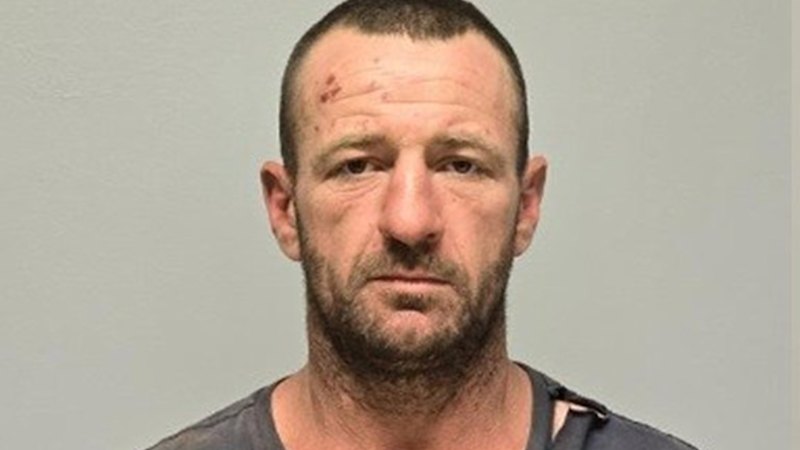
Julian Ingram's death marks the end of a monster, not justice.
Global Consensus
What happened?
Julian Ingram was arrested as one of Canada’s most wanted serial killers in the mid-2010s, after a string of brutal murders that terrorized communities across Ontario and Quebec. His capture provided some relief but also left lingering questions about closure for those affected by his crimes.
Some argue that Ingram's death means justice was served; they see it as the natural end to one helluva nightmare story. But if you're looking at what actually happened, there’s no real accountability or resolution here—just another tragic loss of life in a messed-up system.
The narrative around Julian Ingram's death is going to be a hot topic in media circles—some say closure while others see missed opportunities and systemic failures. Either way, it’s clear this case isn’t over until the real conversations about justice start happening beyond just locking up killers like him.
This will likely split public opinion sharply; those who want to believe there's some kind of finality in Ingram's death versus others seeing a tragic waste. The debate wons't die down anytime soon as each side digs into their trench and fights for what they think justice looks like.
Pulse Insight
AI Insight is generated based on real-time global trends and contextual data analysis.
Hidden Trade-off
While finding Ingram might have given closure to some families and communities, it also exposed the cracks within our criminal justice systems. The lack of real accountability or healing for victims' loved ones leaves an open wound that will fester.