

Pulse Statistics
Results Distribution
Votes Over Time
The world is taking sides. Your nation's pulse is missing.
Global pulses are showing up strong. Don't let your nation's identity disappear. Every beat shapes the global consensus.

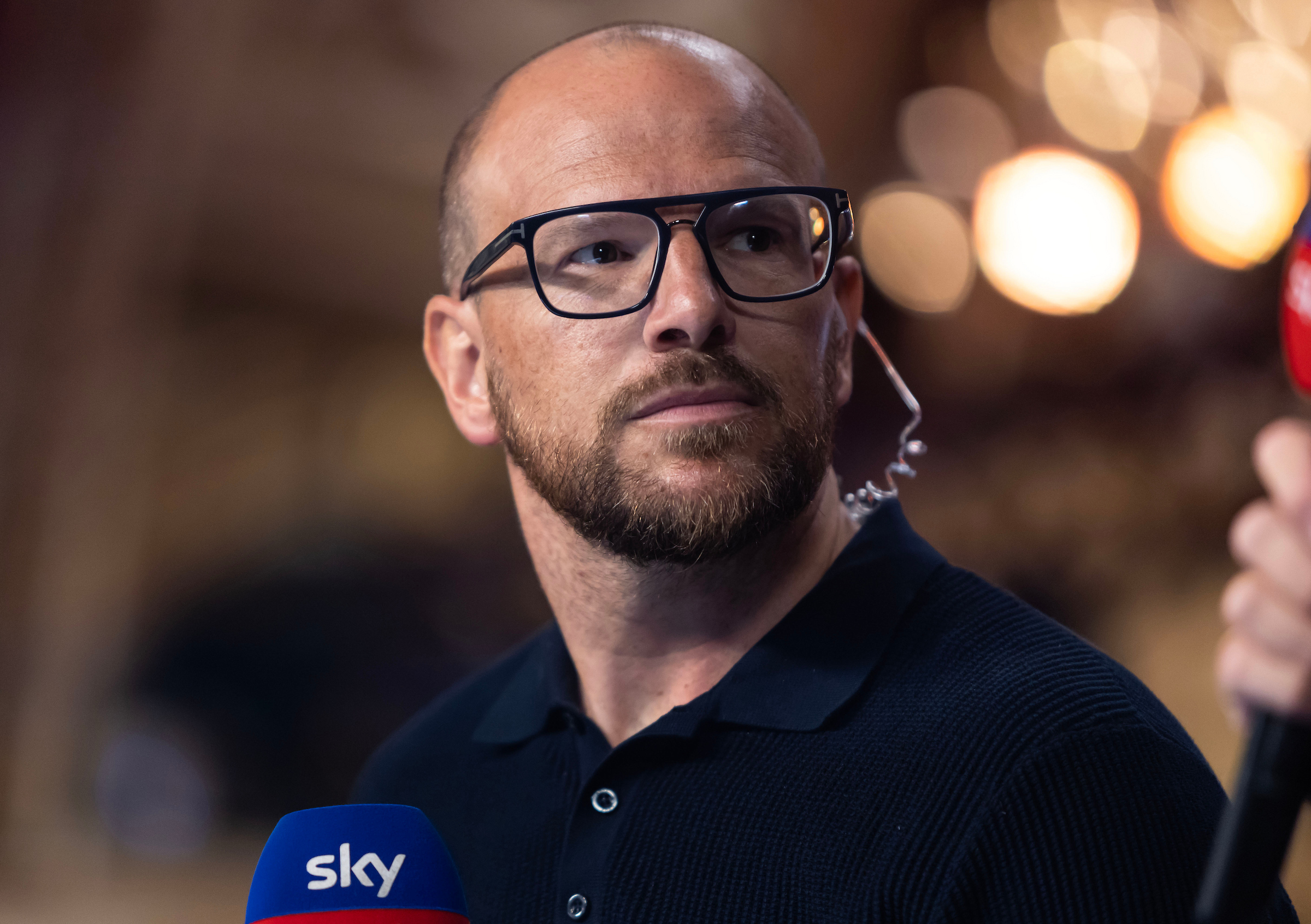
Mark Webster's cancer diagnosis is a stark reminder that positivity alone won't cure the disease.
Global Consensus
What happened?
Mark Webster announced his rare form of leukemia, vowing to stay positive and fight back. His message resonated widely but also sparked debates over whether such positivity is realistic or helpful in a medical context.
Some argue that Mark's optimism serves as an empowering beacon for others facing similar battles. It could inspire hope where there might otherwise be despair, making his public stance valuable and necessary.
The risk lies in the message overshadowing practical support needs like research funding or better healthcare access.
In the long run, if stories like Webster’s don’t translate into tangible support for patients or better healthcare infrastructure, they risk becoming superficial and ineffective in making a meaningful difference against cancer.
This trend will likely split public opinion sharply. Supporters see it as uplifting hope while critics view it as an overemphasis on individual resilience at the expense of systemic change needed to tackle such diseases effectively.
Pulse Insight
AI Insight is generated based on real-time global trends and contextual data analysis.
Hidden Trade-off
While Mark's positivity draws attention to cancer awareness and potentially funds more research, it also diverts focus from systemic issues such as inadequate medical resources. The public might forget that real change requires policy shifts rather than just positive thinking.
Keep Exploring


Related to #cancer
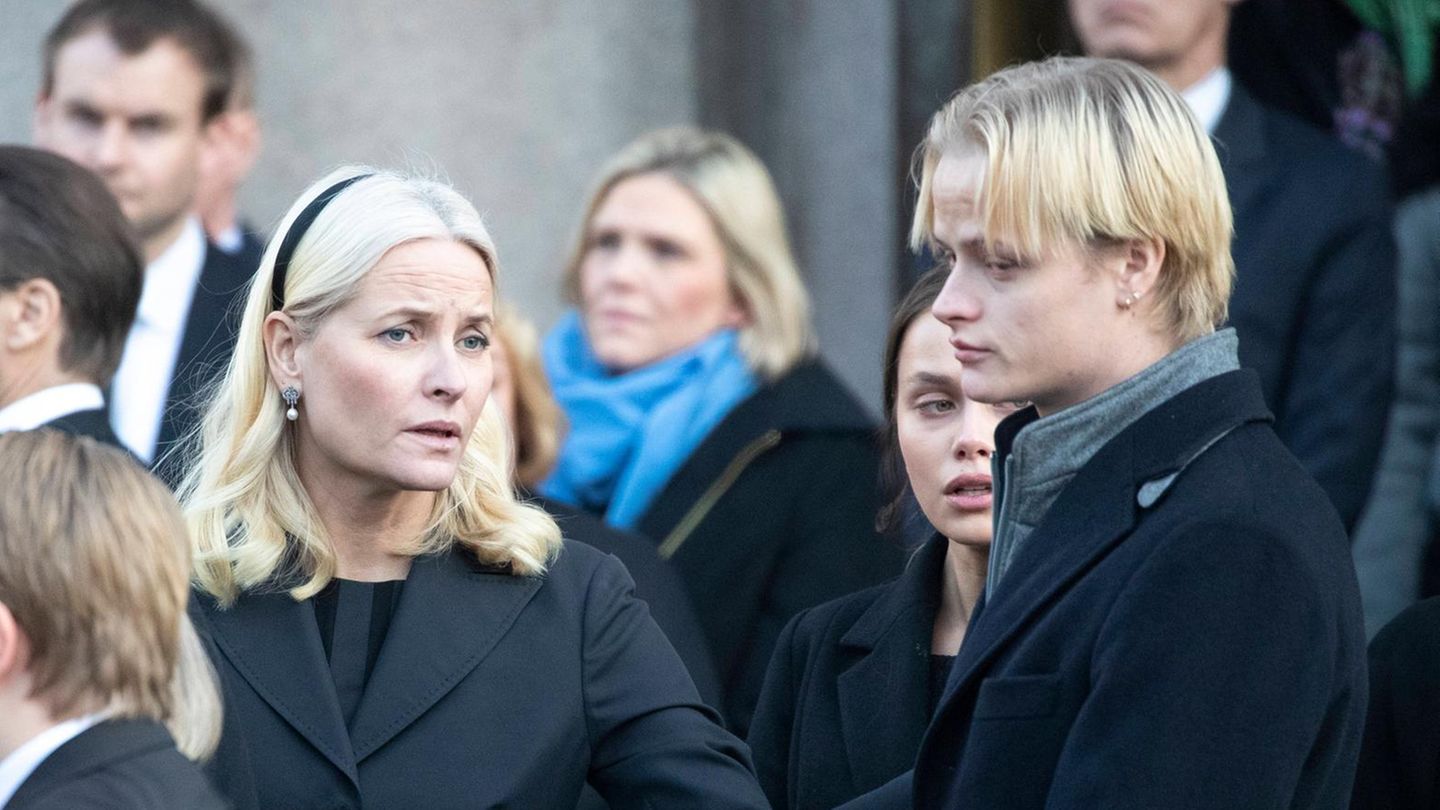
Marius Borg Høiby's reluctance to stand by his family is a cowardly betrayal of trust.

The introduction of radioactive rods at Grenoble's hospital marks the beginning of a new era in cancer treatment, but also an unprecedented risk.

Regina Zindler's cancer diagnosis will expose the hollowness of celebrity culture.