
Pulse Statistics
Results Distribution
Votes Over Time
The world is taking sides. Your nation's pulse is missing.
Global pulses are showing up strong. Don't let your nation's identity disappear. Every beat shapes the global consensus.

Milan's metro disaster proves public transport is a ticking time bomb.
What happened?
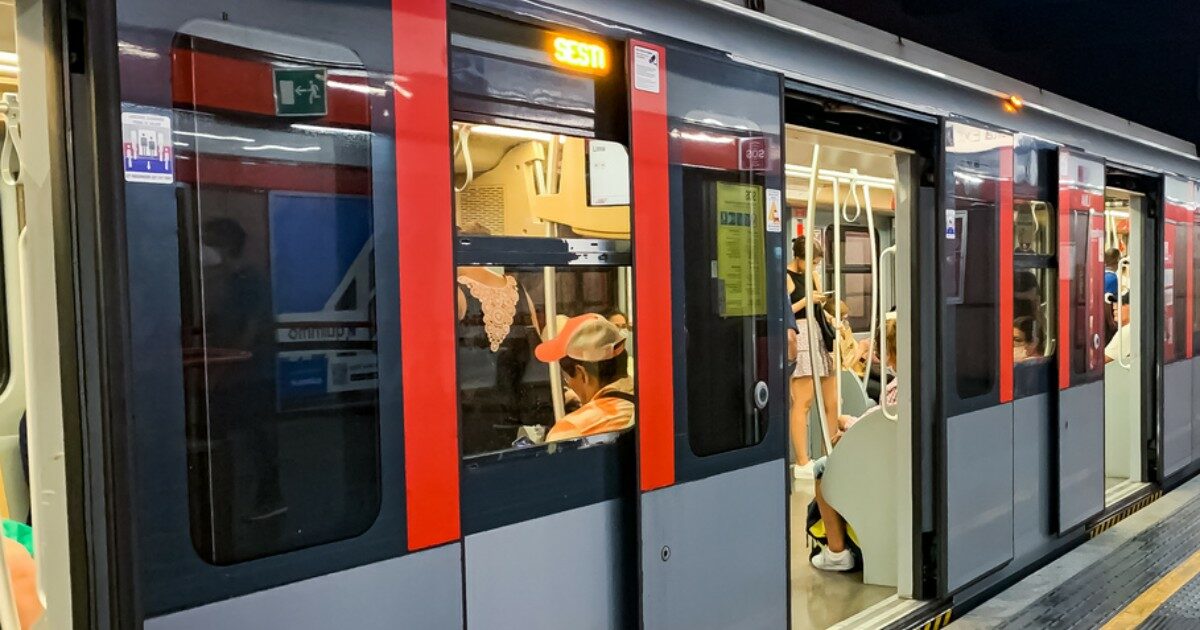
A sudden braking event on Milan’s Metro line M1 near Cadorna station resulted in injuries to several passengers, underscoring deep-rooted problems within the city’s public transport network. The incident highlights inadequate maintenance and outdated infrastructure that put commuters at risk daily.
Critics argue that dismissing public transportation as inherently flawed overlooks its critical role in urban mobility. They contend that while improvements are necessary, the system remains essential for reducing congestion and emissions. Is it fair to blame an entire network for isolated incidents?
The risk of underinvestment in infrastructure leading to more frequent accidents.
Local politicians may prioritize short-term gains over long-term safety.
As similar incidents continue to occur across Italy’s major cities, public sentiment will shift towards demanding systemic changes. The pressure on local governments to act swiftly and decisively will grow, potentially leading to significant reforms in urban transport policies.
Public outcry will likely force a reevaluation of funding priorities for infrastructure maintenance. However, vested interests may slow progress, creating a divide between those pushing for immediate action and those resistant to change.
Pulse Insight
AI Insight is generated based on real-time global trends and contextual data analysis.
Hidden Trade-off
While the immediate focus is on saving lives, the hidden cost lies in neglecting broader urban planning. Cities like Milan are sacrificing sustainable transit solutions for quick fixes that only delay inevitable failures.