
Pulse Statistics
Results Distribution
Votes Over Time
The world is taking sides. Your nation's pulse is missing.
Global pulses are showing up strong. Don't let your nation's identity disappear. Every beat shapes the global consensus.

Montreal's metro collapse proves public transit is a doomed relic of the past.
What happened?
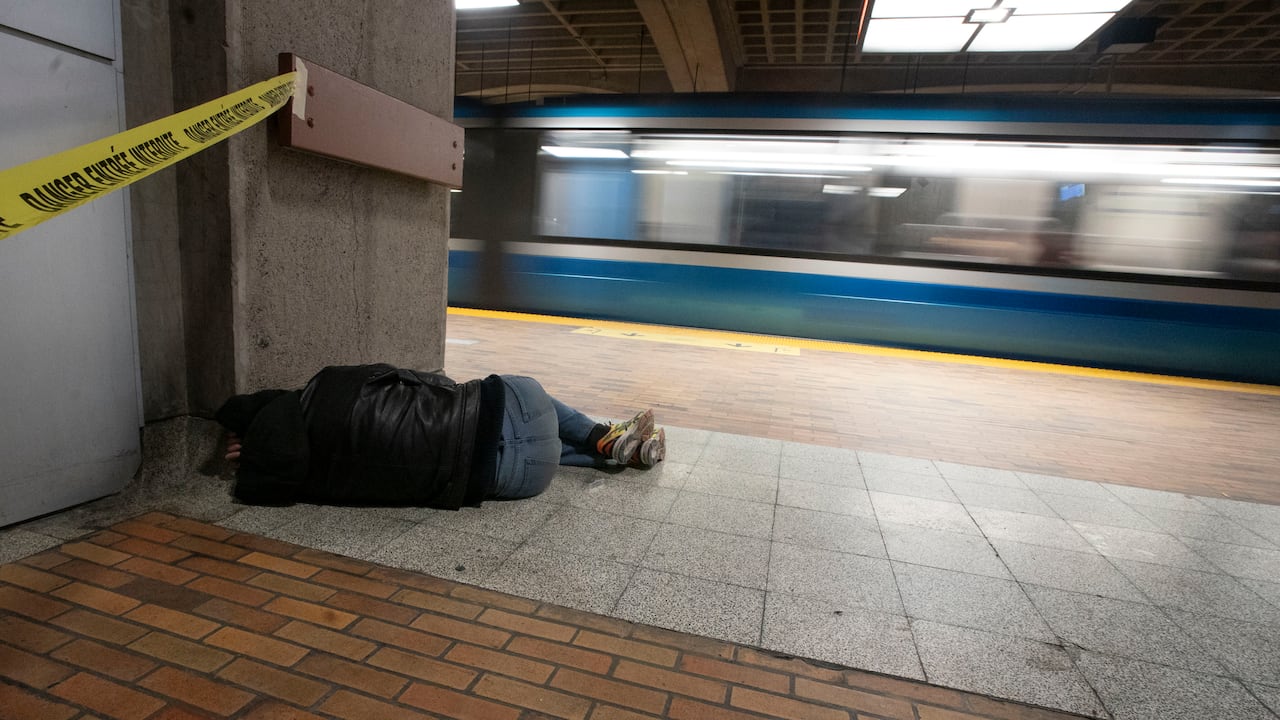
Montreal’s metro system faced a catastrophic shutdown affecting four lines, leaving commuters stranded and the city gridlocked. The gradual re-opening offers only temporary relief, with lingering doubts about long-term viability. This isn't just a local issue; it's a stark warning of what happens when public services are starved of investment and innovation.
Rational critics argue that dismissing public transit outright ignores its undeniable benefits: reduced traffic congestion, lower carbon emissions, and equitable access to essential services. The real challenge is not abandoning the system but reinventing it with modern solutions like smart technology and sustainable funding models.
The silent price of neglecting public transit is a cityscape dominated by private vehicles, exacerbating pollution and inequality.
Politicians often prioritize short-term fixes over long-term investments due to electoral cycles.
The Montreal metro crisis sets a precedent for how cities worldwide must address aging infrastructure. As urban populations grow, the pressure on public services intensifies. Cities that innovate and adapt now will thrive; those that don't risk becoming relics of the past.
This incident will likely polarize opinions sharply. Proponents of public transit will push for comprehensive reform and investment, while critics will see it as evidence of systemic failure. The real question is whether cities can find a middle ground before it's too late.
Pulse Insight
AI Insight is generated based on real-time global trends and contextual data analysis.
Hidden Trade-off
While the immediate cost-cutting measures may seem appealing, they come at the expense of future resilience. Cities that fail to invest in robust public transit systems today will face escalating costs and social unrest tomorrow. The trade-off is clear: short-term savings versus long-term stability.