

Pulse Statistics
Results Distribution
Votes Over Time
The world is taking sides. Your nation's pulse is missing.
Global pulses are showing up strong. Don't let your nation's identity disappear. Every beat shapes the global consensus.

Nashville's infrastructure will collapse under the weight of this storm.
What happened?
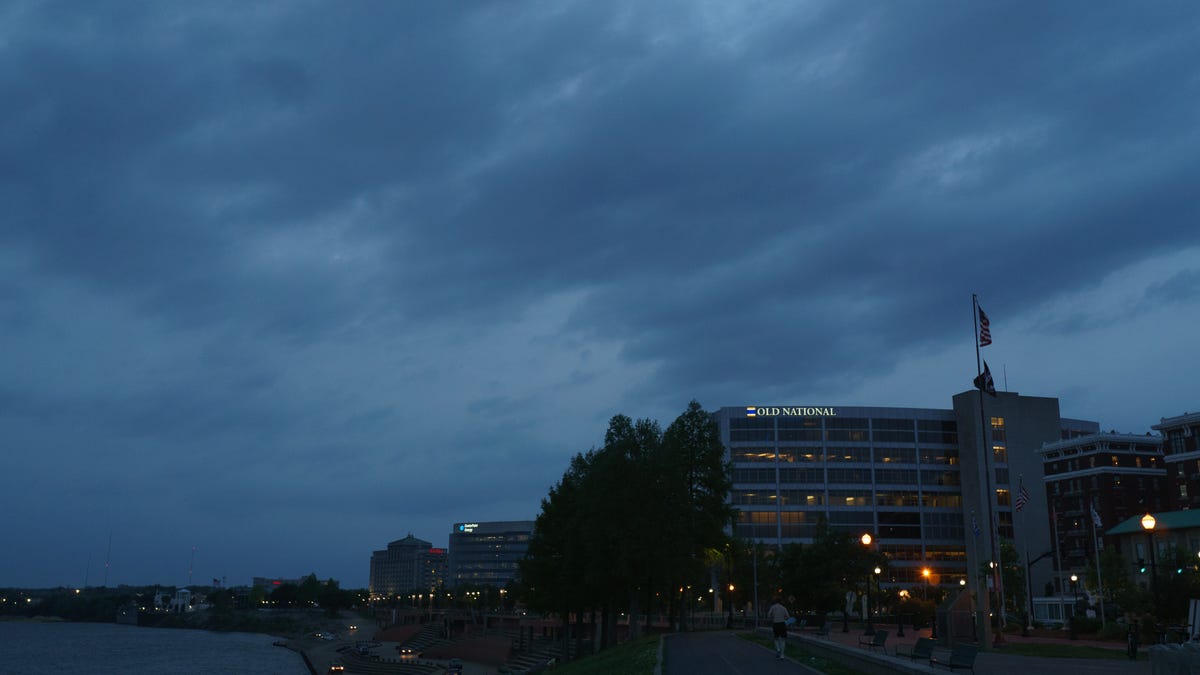
Tonight, Nashville confronts a tempest of biblical proportions. Power lines snap like twigs under the onslaught, and homes crumble into rubble as winds tear through neighborhoods. Emergency responders are overwhelmed by sheer volume, struggling to reach those trapped or injured. The storm’s aftermath will leave behind not just debris but a city grappling with its vulnerability in an era of climate change.
Some argue that while the immediate danger is real, Nashville has robust emergency plans and resilient communities. They point out that past disasters have spurred significant improvements in infrastructure and response capabilities. However, as the storm bears down, these defenses are being tested like never before.
The silent price of resilience is the constant drain on resources for disaster preparedness.
Local businesses and politicians may downplay risks to avoid economic panic.
As climate change intensifies, Nashville must reckon with the reality that its current infrastructure is ill-equipped for the storms ahead. This tornado serves as a stark warning: either adapt now or face an inevitable collapse of essential services and community safety.
The public will be sharply divided between those who see this storm as a wake-up call and those who believe in the city’s resilience. The debate over funding for climate adaptation versus immediate relief efforts will heat up, with tribal loyalties shaping opinions on how to move forward.
Pulse Insight
AI Insight is generated based on real-time global trends and contextual data analysis.
Hidden Trade-off
While emergency services work tirelessly to save lives, they are also stretched thin by a cycle of increasingly severe weather events. Each storm exacerbates the strain, leaving less capacity for recovery and future prevention. The real cost is not just in dollars but in human lives lost due to overtaxed systems.