
Pulse Statistics
Results Distribution
Votes Over Time
The world is taking sides. Your nation's pulse is missing.
Global pulses are showing up strong. Don't let your nation's identity disappear. Every beat shapes the global consensus.

Negative gearing must be abolished immediately.

What happened?
Negative gearing has long been touted by real estate investors and political parties as a necessary evil to maintain property market stability. However, its true impact is far more sinister: it exacerbates wealth disparity and stifles economic mobility. The policy's defenders argue it attracts foreign investment and boosts construction activity, but the reality is that it primarily benefits those who already own multiple properties, while first-time buyers struggle to break into a rigged system.
Supporters of negative gearing claim it spurs economic growth by encouraging investment in real estate. They argue that without this tax incentive, property prices might plummet, leading to a housing market crash and widespread unemployment in the construction sector. However, this argument fails to address the structural issues at play: negative gearing is not about fostering sustainable development but rather maintaining an artificial demand for overpriced properties.
The risk lies in the potential backlash from powerful real estate lobbies and their political allies who benefit from the status quo.
Politicians often receive substantial campaign funding from property developers, creating a conflict of interest that clouds judgment on housing policy reform.
As the gap between rich and poor widens, public pressure will mount for reform. However, entrenched interests will resist change, prolonging the suffering of first-time buyers and renters. Ultimately, a tipping point may be reached where radical measures are inevitable to address the housing crisis.
The debate over negative gearing will likely split along class lines, with those who benefit from the status quo opposing reform while younger generations demand action. The outcome will hinge on whether political leaders can navigate this divide and enact meaningful change before the situation becomes untenable.
Pulse Insight
AI Insight is generated based on real-time global trends and contextual data analysis.
Hidden Trade-off
While negative gearing may appear to stimulate economic activity in the short term, its long-term cost is staggering. It perpetuates an environment where housing becomes a speculative asset rather than a fundamental right, leading to social unrest and economic instability. The silent price is paid by those who can't afford homes, forced into precarious rental situations or homelessness.
Keep Exploring

Related Pulses
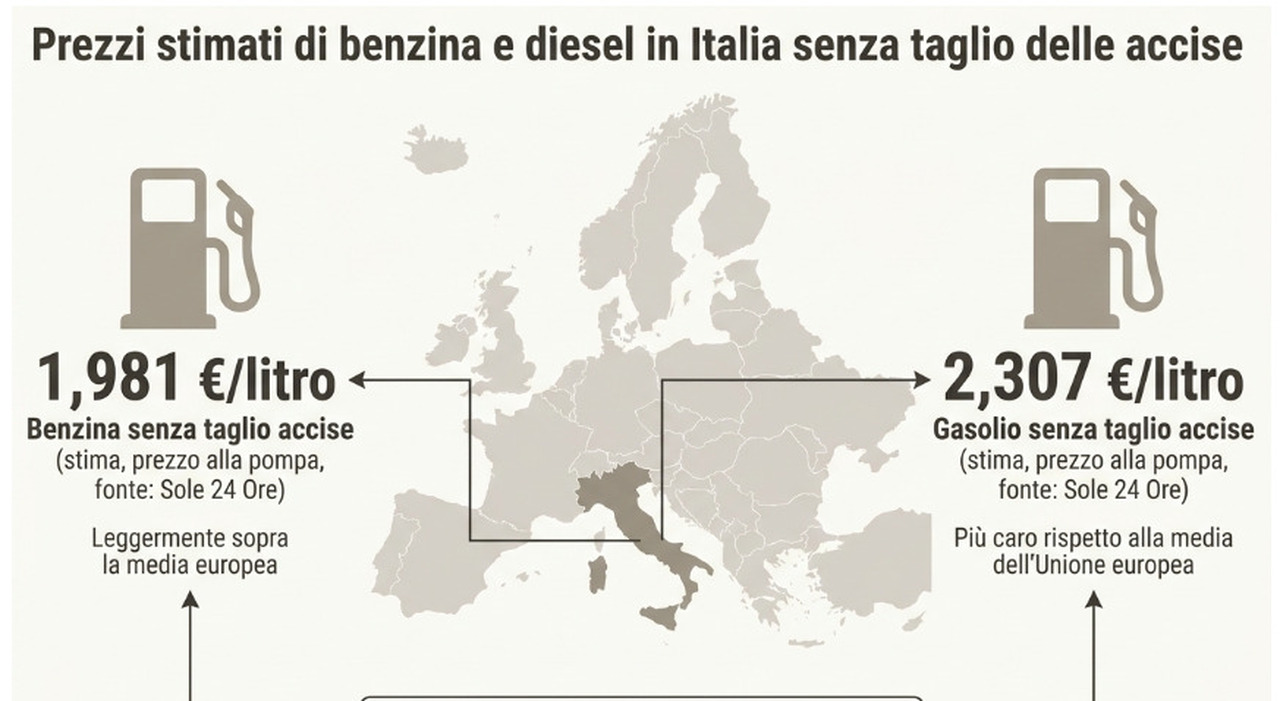
Cutting excise taxes on diesel is a catastrophic move for Italy's economy.
20 beatsBoris Vallaud's anti-liberal stance will backfire, crippling France’s economic growth.
19 beats
The war in the Middle East is turning Australia's economy into a survival game for the poor.
20 beats