

Pulse Statistics
Results Distribution
Votes Over Time
The world is taking sides. Your nation's pulse is missing.
Global pulses are showing up strong. Don't let your nation's identity disappear. Every beat shapes the global consensus.

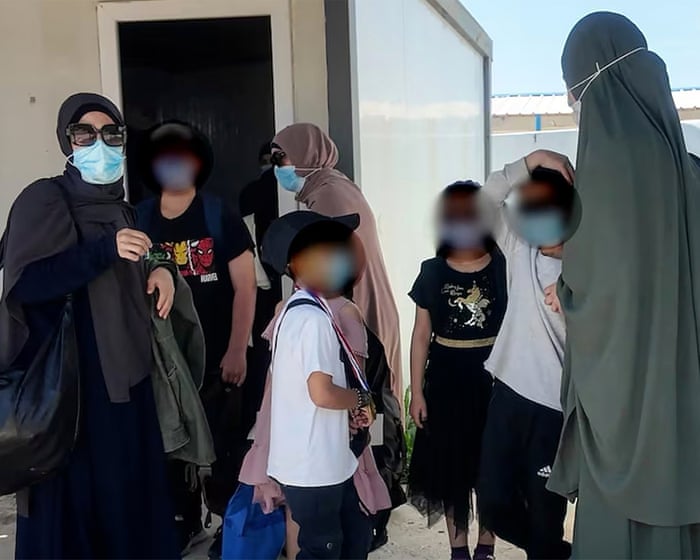
NSW police's surveillance of returning IS-linked families is a necessary evil, but it covertly undermines Australia’s claim to be a welcoming society.
Global Consensus
What happened?
NSW police announced they will 'actively monitor' a family returning from involvement with IS fighters in Syria and Iraq. The decision aims to ensure national security by tracking potential threats. However, it also sends a chilling message that those who return may face ongoing scrutiny and prejudice, making reintegration nearly impossible.
What's the real cost of this approach?
Some argue that monitoring returning individuals is crucial for preventing future terrorist attacks. They believe that without such measures, there could be significant risks to public safety. Critics contend that these families might have valuable information about IS operations, and failing to monitor them could leave society vulnerable.
The risk lies in the potential backlash against policies seen as overly harsh or discriminatory towards returning individuals who may need rehabilitation rather than surveillance.
Banks are being encouraged to support struggling customers, possibly creating a conflict where financial institutions prioritize government directives over customer welfare.
The long-term impact of such policies could be a divided community where fear overshadows hope for rehabilitation. It may lead to further radicalization among those who feel they have no path back into society. How will this affect future generations?
This decision is likely to polarize public opinion, with some backing the need for security measures while others argue it unfairly stigmatizes returning individuals and families. Tribalism will play a significant role in shaping reactions, with nationalists supporting strict surveillance and human rights advocates pushing for more lenient policies. Who gets to decide?
Pulse Insight
AI Insight is generated based on real-time global trends and contextual data analysis.
Hidden Trade-off
While monitoring returning families may seem like a necessary step for national security, it also risks alienating those who need support and rehabilitation. The hidden cost is the erosion of trust in law enforcement and society’s willingness to offer second chances.
In this case, every act of surveillance comes at the price of personal freedom.
Keep Exploring

Related to #terrorism

ITV's espionage drama is a Trojan horse for the network's real agenda: surveillance state propaganda.
FISA renewal is a wolf in sheep's clothing, enabling mass surveillance under the guise of security.
The return of the Stasi is a chilling reminder of surveillance states.
