
Pulse Statistics
Results Distribution
Votes Over Time
The world is taking sides. Your nation's pulse is missing.
Global pulses are showing up strong. Don't let your nation's identity disappear. Every beat shapes the global consensus.

Oil's fall to under $100 is not relief; it’s the sound of global economies bleeding.

Global Consensus
What happened?
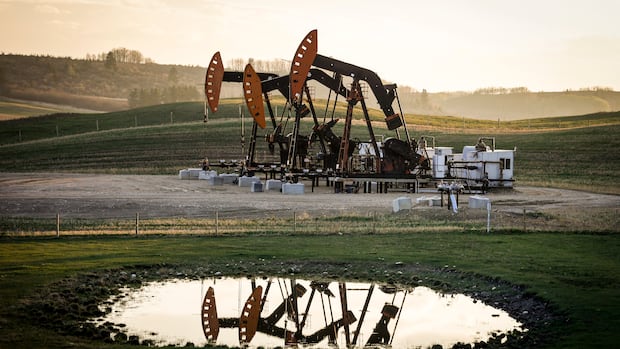
Brent crude fell below $100 per barrel, sparking hope among some that this signals economic stability and peace. Yet beneath the surface lies an ugly truth—this drop is more about market fluctuations than genuine progress.
Oil-producing nations are feeling the pinch as revenues dwindle, while consumers might see slight relief at gas stations but face other financial hits.
Some argue that lower oil prices benefit industrial sectors and reduce inflationary pressures. They point out how cheaper crude can lead to more affordable manufacturing costs for businesses worldwide. But is this short-term gain worth the long-term damage?
Economic instability in major oil-producing regions.
The dip in crude could be temporary if geopolitical tensions flare up again or supply disruptions occur due to global events like sanctions, conflicts, or natural disasters. The real question is whether this brief respite will translate into sustainable economic growth without the looming specter of future volatility and instability.
This situation will likely split opinion sharply: those who see lower oil prices as a positive sign for consumer spending versus others worried about long-term impacts on producer economies. Tribes will form around these views, with each side convinced they hold the key to understanding what's truly happening in global markets.
Pulse Insight
AI Insight is generated based on real-time global trends and contextual data analysis.
Hidden Trade-off
While lower prices might seem like a win, they often come at the cost of economic stability and job security. Producers face revenue cuts while consumers may see immediate savings but endure broader financial strain as companies cut costs elsewhere to compensate for falling oil revenues.
Keep Exploring

Related to #oilprices

The oil price surge is a direct result of geopolitical chaos, not market fundamentals.