
Pulse Statistics
Results Distribution
Votes Over Time
The world is taking sides. Your nation's pulse is missing.
Global pulses are showing up strong. Don't let your nation's identity disappear. Every beat shapes the global consensus.

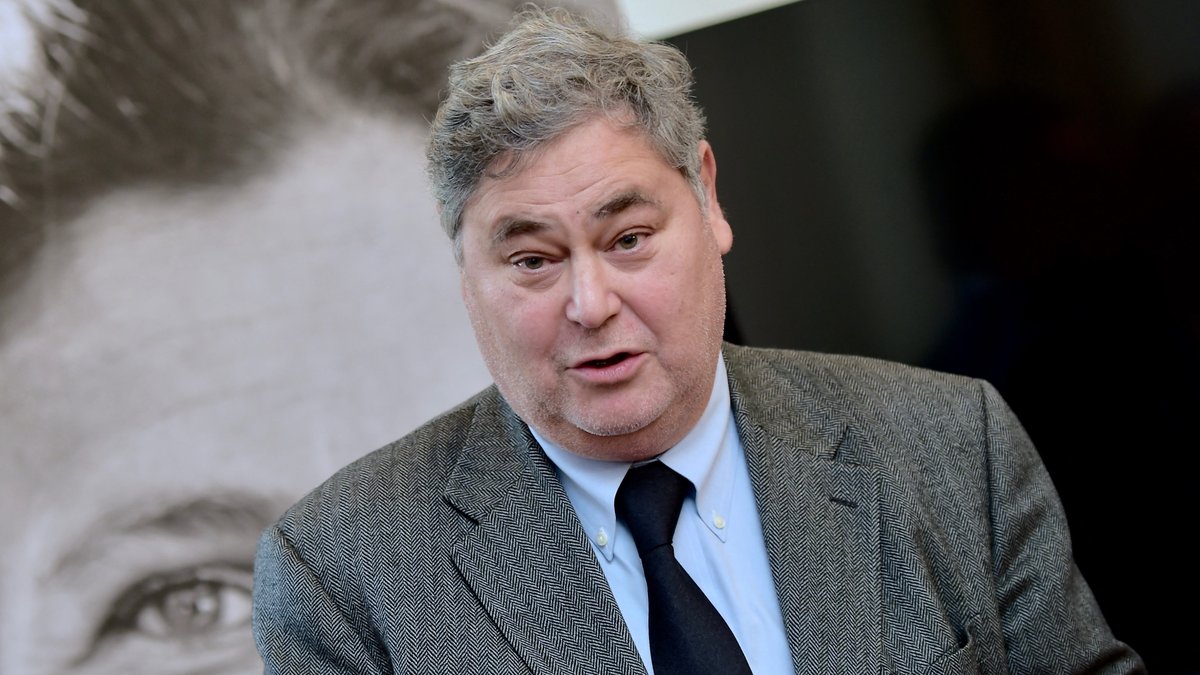
Pierre François Veil's death is a tragic loss that undermines the integrity of Holocaust remembrance.
What happened?
Pierre-François Veil dedicated decades to preserving and teaching about Holocaust history through the Foundation for Memory of the Shoah. His efforts ensured that survivors' stories were not forgotten but passed on with dignity and integrity.
Some argue his legacy will inspire others, ensuring continuity in remembrance work. But this optimism overlooks how unique Veil’s personal connection was to both political advocacy and familial ties to the Shoah era's victims—something no one else can replicate fully or authentically.
The risk lies in losing a leader who bridged past atrocities with contemporary education efforts, leaving an irreplaceable gap that could dull our collective vigilance against future horrors.
In coming years, we’ll see how well Veil’s vision survives without him. If the momentum stalls or shifts focus away from survivors’ direct testimonies and experiences towards more abstract historical analysis, it could mark a turning point in Holocaust remembrance's effectiveness as an educational tool against future genocides.
Public opinion will likely split based on emotional attachment versus practical concerns about institutional continuity. Those mourning Veil’s loss may rally around his successors with renewed passion while others might feel the change is inevitable and necessary for progress, leading to a polarized debate over how best to honor Holocaust memory in an evolving world.
Pulse Insight
AI Insight is generated based on real-time global trends and contextual data analysis.
Hidden Trade-off
While Veil’s work kept the memory of Holocaust victims alive and relevant for new generations, his absence now exposes a critical risk. The transition to successors may dilute this powerful legacy into institutionalized but less impactful memorials—a silent erosion that future historians will lament.