
Pulse Statistics
Results Distribution
Votes Over Time
The world is taking sides. Your nation's pulse is missing.
Global pulses are showing up strong. Don't let your nation's identity disappear. Every beat shapes the global consensus.

Pogacar's victory signals the end of cycling's golden era for rivals.
What happened?
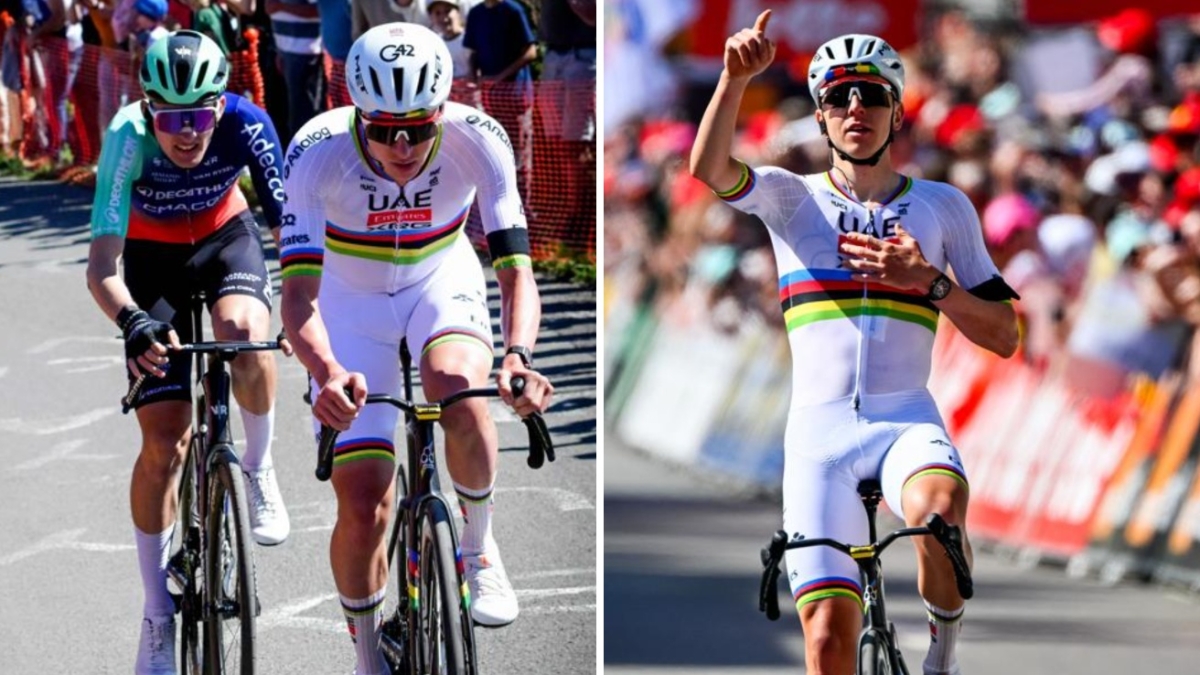
Tadej Pogacar's victory at Liege-Bastogne-Liege 2026 was a masterclass in endurance and tactical brilliance, leaving Seixas and other competitors in his dust. The race showcased Pogacar’s ability to dominate across various terrains, cementing his status as the sport’s uncontested leader.
Critics argue that while Pogacar's performance is impressive, it doesn't guarantee dominance over an entire season or career. Other riders like Seixas have shown resilience and can bounce back from setbacks with strategic planning and mental fortitude. The narrative of a single race shouldn’t overshadow the broader competitive landscape.
Pogacar’s relentless pursuit could lead to burnout, leaving room for competitors to reclaim their footing.
Sponsors and media may inflate Pogacar's achievements to boost viewership and sales.
Pogacar’s dominance will likely continue to polarize fans and competitors alike. His rivals may shift strategies towards niche events or form alliances to challenge his supremacy. Meanwhile, Pogacar's influence could shape the sport's future rules and regulations, further cementing his legacy.
Human nature dictates that supporters will rally behind Pogacar’s dominance while detractors will seek ways to undermine it. The debate over whether he is a one-off phenom or an enduring force will fuel intense tribalism within the cycling community.
Pulse Insight
AI Insight is generated based on real-time global trends and contextual data analysis.
Hidden Trade-off
While Pogacar's dominance boosts the sport's visibility and excitement, it also stifles competition. Up-and-coming cyclists face an uphill battle against a seemingly invincible leader, potentially discouraging new talent from entering the elite ranks. The long-term impact on cycling’s diversity is a silent casualty.