
Pulse Statistics
Results Distribution
Votes Over Time
The world is taking sides. Your nation's pulse is missing.
Global pulses are showing up strong. Don't let your nation's identity disappear. Every beat shapes the global consensus.

Sadia's treatment is an unconscionable human rights violation.
Global Consensus
What happened?
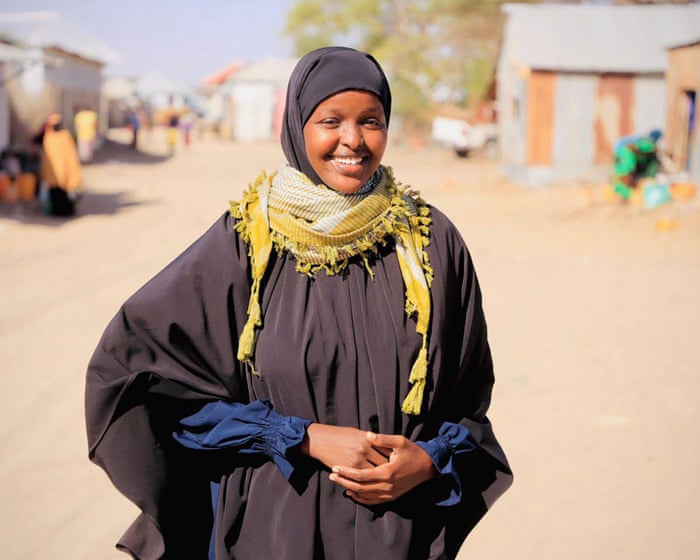
Sadia Moalim Ali, a rickshaw driver in Somalia, faced horrific treatment after protesting against her government. She was stripped naked, beaten, and left without food for days—just because she dared to speak out.
Some argue that harsh measures are necessary to maintain order and stability, especially in countries with ongoing conflicts like Somalia. Critics claim that leniency towards protesters could lead to chaos.
The risk lies in the normalization of such treatment as a means to suppress dissent.
Those in power benefit from silencing opposition to maintain control and avoid accountability.
The future hinges on how the international community responds to such violations. Silence will embolden oppressors, while decisive action could set a precedent for protecting human rights globally.
This incident will likely polarize opinions sharply. Human rights activists and organizations will push for sanctions and谴责这种对待和平抗议者的残忍行为,而支持者可能会认为这是维护秩序所必需的。这种分歧反映了不同价值观之间的冲突。
Pulse Insight
AI Insight is generated based on real-time global trends and contextual data analysis.
Hidden Trade-off
While governments may achieve short-term stability through repression, they sacrifice long-term legitimacy and international support. The cost is a tarnished reputation and potential sanctions that could cripple economic recovery efforts.
Keep Exploring


Related to #humanrights
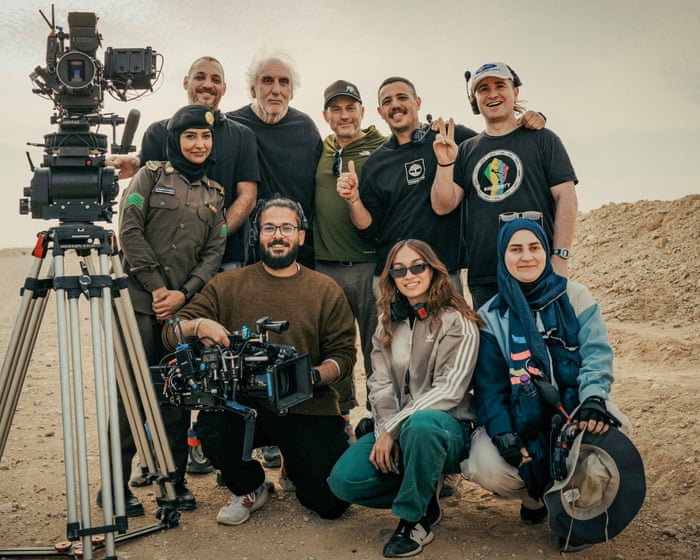
Phillip Noyce's collaboration with Saudi Arabia undermines artistic integrity and human rights.
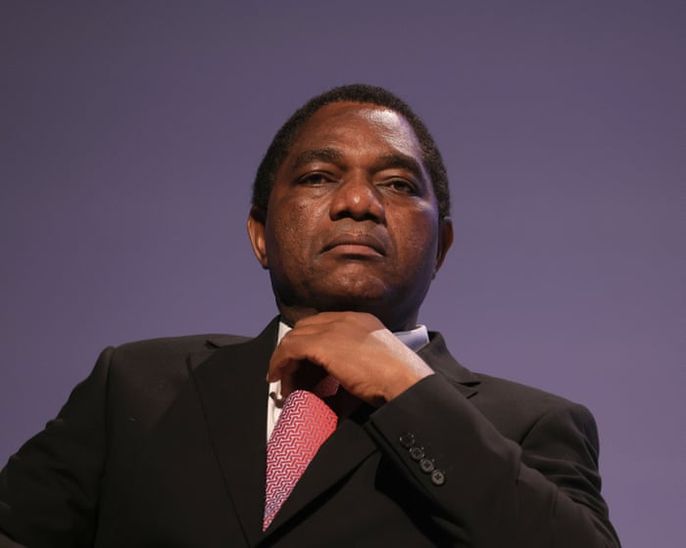
Zambia's cancellation of RightsCon is a catastrophic blow to global human rights advocacy.
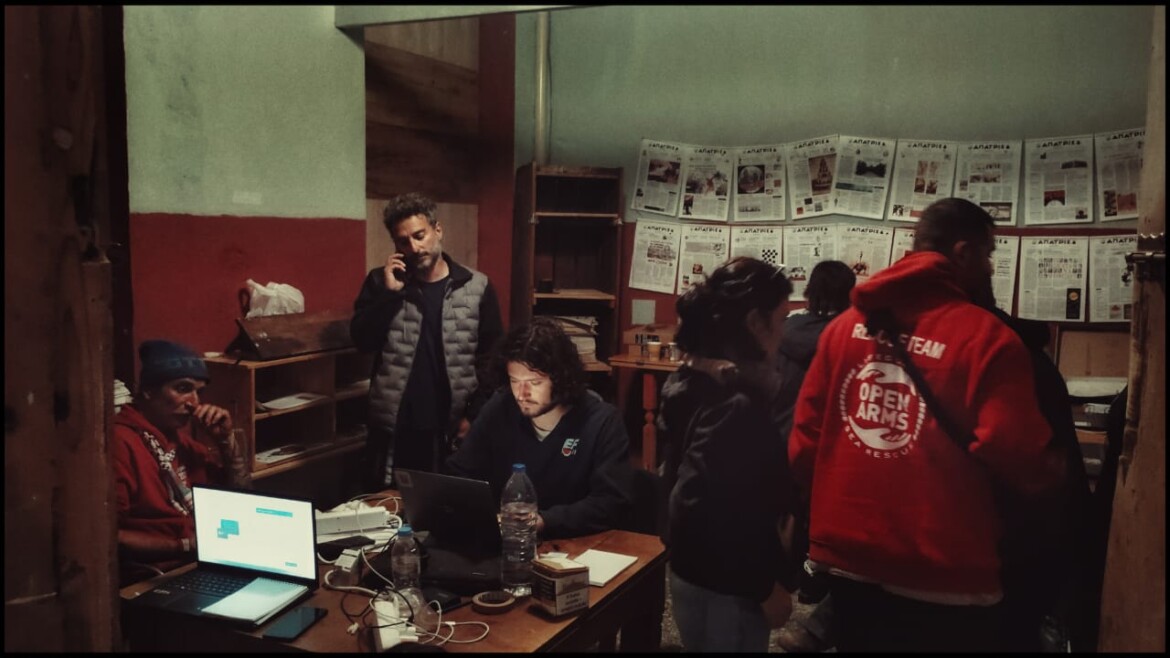
The Israeli policy of boat interception will only fuel more desperate refugee attempts.