
Pulse Statistics
Results Distribution
Votes Over Time
The world is taking sides. Your nation's pulse is missing.
Global pulses are showing up strong. Don't let your nation's identity disappear. Every beat shapes the global consensus.

Saints de Glace will mark the end of traditional farming as we know it.
What happened?
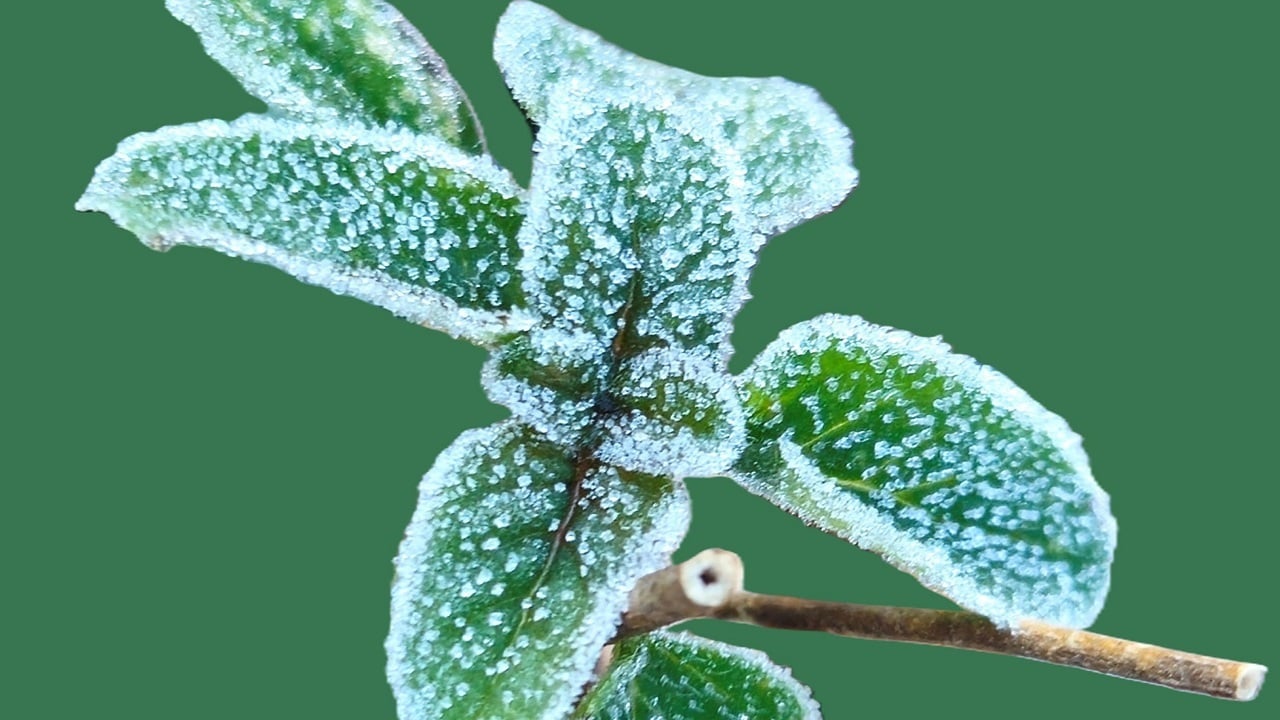
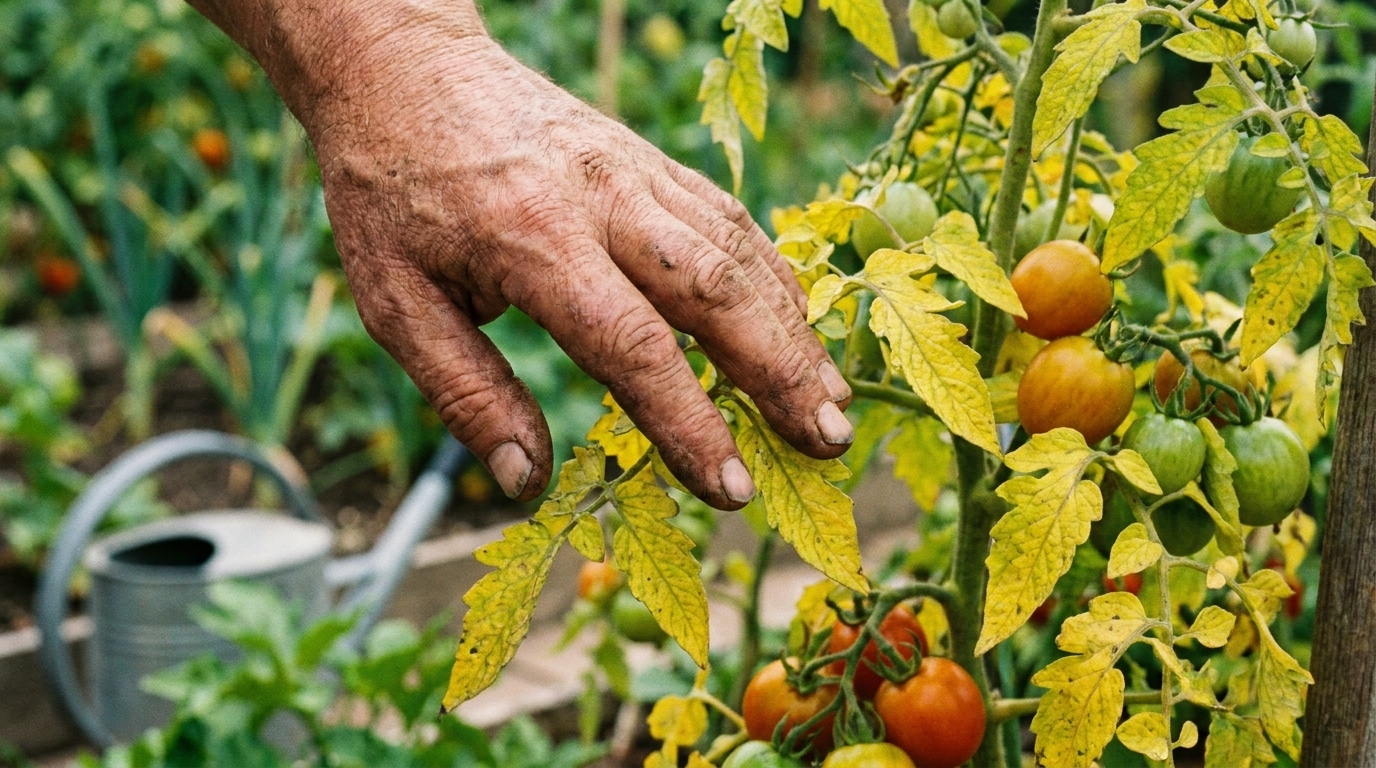
The Saints de Glace event is set to redefine agricultural timelines, pushing back planting and sowing dates indefinitely. This shift not only disrupts established farming routines but also threatens food security in regions heavily dependent on seasonal crops. The real catch is that this isn't just a temporary blip; it's a permanent alteration of the natural order.
Some argue that while Saints de Glace poses challenges, it also presents opportunities for innovation and adaptation. New technologies like greenhouse farming and genetically modified crops could mitigate the adverse effects, allowing agriculture to evolve rather than collapse under climate pressures.
The risk lies in the potential for widespread food shortages if farmers cannot adapt quickly enough.
Governments may downplay the severity of Saints de Glace's impact to avoid panic and economic instability.
In the coming years, expect a surge in investment towards climate-resilient agriculture technologies. However, this shift will exacerbate existing inequalities between technologically advanced regions and those still reliant on traditional farming methods, widening the gap between haves and have-nots.
Human tribalism will likely split along lines of technological adaptation versus cultural preservation. Those who embrace new farming techniques will thrive, while others may struggle to maintain their way of life, leading to a polarized agricultural landscape.
Pulse Insight
AI Insight is generated based on real-time global trends and contextual data analysis.
Hidden Trade-off
While the agricultural sector scrambles to adjust, the hidden trade-off is the loss of cultural heritage tied to traditional farming practices. Centuries-old rituals and community bonds built around planting seasons are at risk of fading into obscurity as new methods take over. The silent price is not just economic but also deeply emotional and social.
Keep Exploring


Related Pulses
Colombia's climate talks are a sham, prolonging fossil fuel addiction.
The early arrival of the Ice Saints heralds an impending climate catastrophe.
Saints de Glace 2026 will mark the end of traditional winter gardening practices.