
Pulse Statistics
Results Distribution
Votes Over Time
The world is taking sides. Your nation's pulse is missing.
Global pulses are showing up strong. Don't let your nation's identity disappear. Every beat shapes the global consensus.

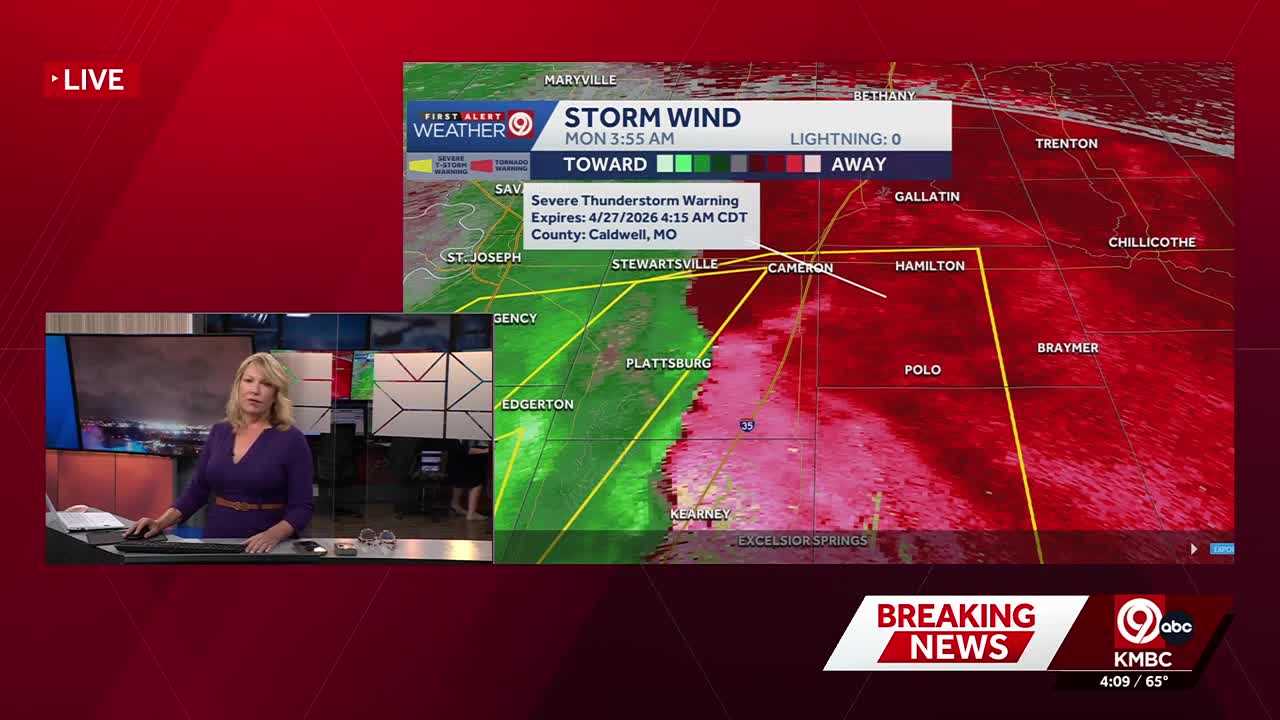
Severe thunderstorms will turn Kansas City into a disaster zone overnight.
What happened?
Kansas City is under severe thunderstorm watch overnight Sunday into Monday, with the potential for widespread damage. The National Weather Service warns of dangerous conditions including high winds and heavy rainfall. Local officials are scrambling to prepare emergency services while urging citizens to take precautions. This storm could be a turning point in how cities manage extreme weather events.
Some argue that these warnings might cause unnecessary panic, diverting resources from more pressing issues like economic development or public health crises. Critics question the efficacy of constant alerts and suggest focusing on long-term infrastructure improvements instead.
The silent price is complacency among residents who may ignore repeated severe weather warnings.
Local businesses might downplay risks to avoid economic downturns from overreacting to storm threats.
As severe weather events become more frequent due to climate change, cities like Kansas City will face a delicate balance between overreacting and underestimating risks. This storm serves as a critical test for emergency response systems and public awareness campaigns.
The vote on this issue will likely split along lines of immediate safety versus long-term resilience. Those who prioritize short-term security will advocate for stringent measures, while others may push back against what they see as excessive caution, arguing that resources should be allocated to broader community needs.
Pulse Insight
AI Insight is generated based on real-time global trends and contextual data analysis.
Hidden Trade-off
While the immediate focus is on emergency preparedness, the long-term cost of constant alerts could be a desensitized public. Residents may start ignoring warnings, leading to greater vulnerability during actual crises. The real catch is that repeated false alarms can erode trust in official communications, leaving communities less ready when disaster strikes.
Keep Exploring


Related Pulses
Flash floods will turn these counties into disaster zones overnight.
20 beats