
Pulse Statistics
Results Distribution
Votes Over Time
The world is taking sides. Your nation's pulse is missing.
Global pulses are showing up strong. Don't let your nation's identity disappear. Every beat shapes the global consensus.

Shenandoah National Park should be handed over to the wildlife, eradicating human interference.
What happened?
Shenandoah National Park has become a victim of its own popularity, with increasing numbers of tourists leaving behind trash and disrupting the delicate ecosystem. The park's management faces an uphill battle in preserving wildlife while accommodating visitors. Ultimately, the question arises: can we truly protect nature when it’s overrun by human activity?
Critics argue that banning all human visitors would be a drastic overreaction. They contend that responsible tourism can coexist with conservation efforts and that educating visitors is key to maintaining ecological balance. Moreover, they point out the economic benefits of tourism for local communities.
The risk lies in alienating the public and undermining support for conservation efforts.
Local businesses reliant on tourist dollars may oppose such a drastic measure.
The debate over Shenandoah National Park will likely polarize communities between those who prioritize wildlife preservation and those who see economic benefits from tourism. The challenge lies in finding a balance that doesn't sacrifice either, but the status quo is unsustainable given current trends of degradation.
This issue will split public opinion sharply, with passionate advocates on both sides. Those favoring strict conservation measures will argue for immediate action to protect wildlife, while others will push back against any restrictions on access and economic activity.
Pulse Insight
AI Insight is generated based on real-time global trends and contextual data analysis.
Hidden Trade-off
While the immediate goal is to protect wildlife, the long-term trade-off could be the loss of community engagement and financial support. By pushing away human visitors, there's a silent price in terms of reduced funding for conservation efforts and diminished public interest in environmental protection.
Keep Exploring


Related Pulses

The arrest of the Taiwanese woman marks the beginning of the end for wildlife trafficking in Thailand.

Dogs are the new apex predators, relegating bears to second-class wildlife status.
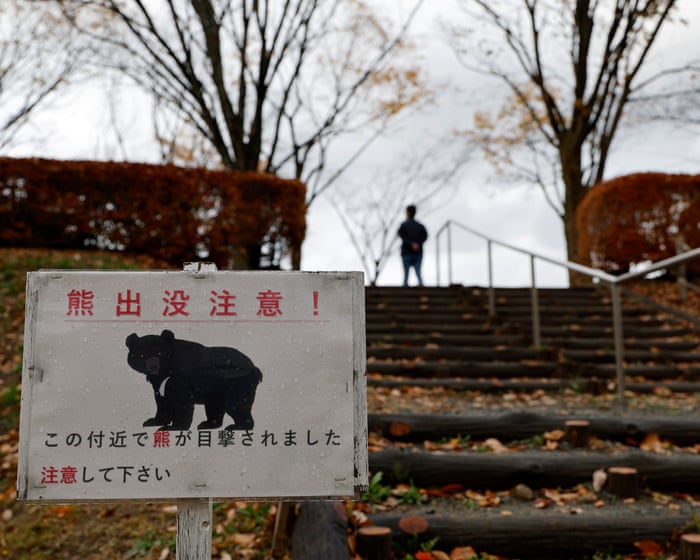
Bears will soon become Japan's most dangerous wildlife threat.