

Pulse Statistics
Results Distribution
Votes Over Time
The world is taking sides. Your nation's pulse is missing.
Global pulses are showing up strong. Don't let your nation's identity disappear. Every beat shapes the global consensus.

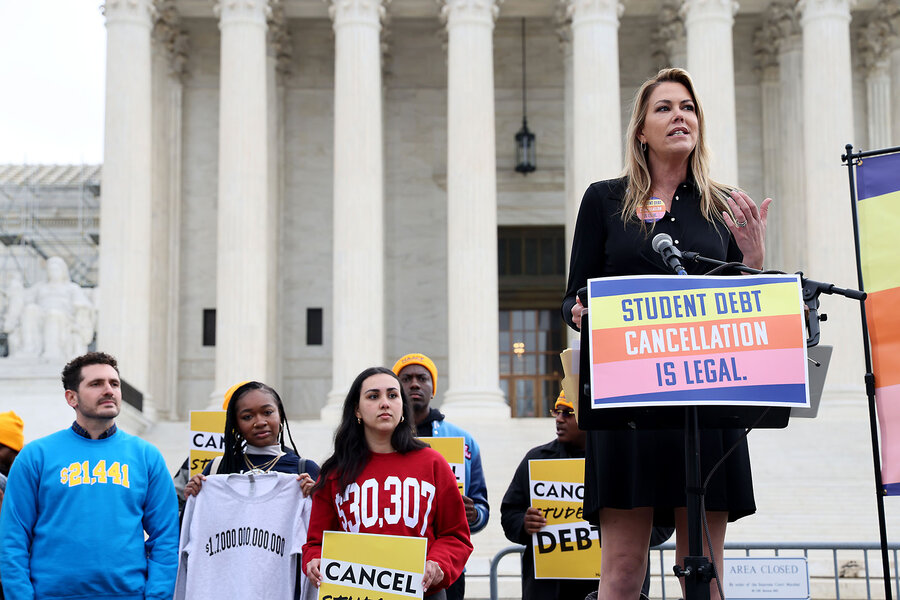
Student loan forgiveness is a cruel joke for the working class.
What happened?
The student loan forgiveness program is touted as a lifeline for indebted graduates. However, its impact is uneven at best. While some may see their burdens lifted, many others face higher payments and mounting expenses. The real catch is that this policy does little to tackle the root causes of skyrocketing tuition costs and unsustainable debt loads.
Critics argue that student loan forgiveness provides essential relief for those burdened by insurmountable debts. They contend it helps reduce financial stress, allowing graduates to focus on career advancement rather than being shackled by past obligations. The counter-argument is that without such measures, the cycle of debt would continue unabated.
The risk lies in overpromising and underdelivering, leaving many disillusioned and further indebted.
Politicians may use this policy to gain favor with voters while neglecting long-term solutions.
In the long run, student loan forgiveness will be seen as a short-term fix rather than a sustainable solution. As tuition costs continue to rise and graduates struggle with debt, calls for systemic reform will grow louder. The current approach is akin to treating symptoms without addressing the underlying disease.
This issue will polarize voters along class lines. Those who benefit from loan forgiveness will support it enthusiastically, while those left behind will demand more comprehensive solutions. Ultimately, this policy may backfire as disillusionment sets in and calls for real reform grow louder.
Pulse Insight
AI Insight is generated based on real-time global trends and contextual data analysis.
Hidden Trade-off
While student loan forgiveness offers temporary relief for some, it fails to address the systemic issues driving up tuition costs. The silent price is a perpetuation of an unsustainable education system that leaves future generations equally indebted and disillusioned. This policy may ease immediate pain but does little to prevent future crises.