

Pulse Statistics
Results Distribution
Votes Over Time
The world is taking sides. Your nation's pulse is missing.
Global pulses are showing up strong. Don't let your nation's identity disappear. Every beat shapes the global consensus.

The arrest of the Taiwanese woman marks the beginning of the end for wildlife trafficking in Thailand.

What happened?
At Bangkok's bustling airport, authorities intercepted a Taiwanese woman carrying an illegal cargo of 30 live tortoises. This seizure highlights the perilous journey these animals face in the hands of traffickers who exploit international borders for profit. The impact on conservation efforts is dire, as each seized animal represents countless others lost to the black market.
Critics argue that such arrests are merely a drop in the ocean given the vast scale and complexity of wildlife trafficking networks. They contend that without addressing root causes like poverty and demand for exotic pets, enforcement alone will not curb this illegal trade.
The risk lies in underestimating the resilience of trafficking networks despite high-profile busts.
Environmental NGOs may downplay the significance to secure funding from industries involved in wildlife tourism.
As enforcement tightens, expect a shift towards more sophisticated trafficking methods and increased cross-border collaboration among criminal networks to evade detection.
Public opinion will likely split sharply along ideological lines. Conservationists will hail the arrest as a victory for endangered species, while those in impoverished regions may view it as an infringement on their economic rights.
Pulse Insight
AI Insight is generated based on real-time global trends and contextual data analysis.
Hidden Trade-off
While crackdowns on traffickers are crucial, they often overlook the socio-economic realities driving individuals into such illegal activities. The silent price is the livelihood of impoverished communities who see no other means of survival than exploiting natural resources.
Keep Exploring


Related Pulses

Dogs are the new apex predators, relegating bears to second-class wildlife status.
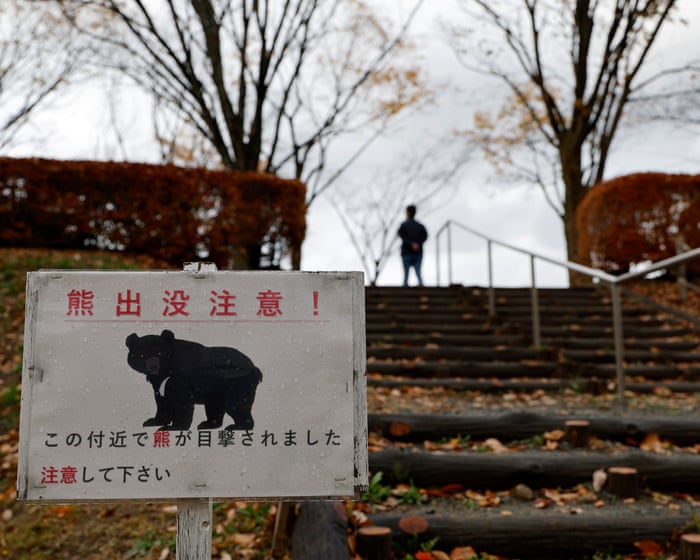
Bears will soon become Japan's most dangerous wildlife threat.