
Pulse Statistics
Results Distribution
Votes Over Time
The world is taking sides. Your nation's pulse is missing.
Global pulses are showing up strong. Don't let your nation's identity disappear. Every beat shapes the global consensus.
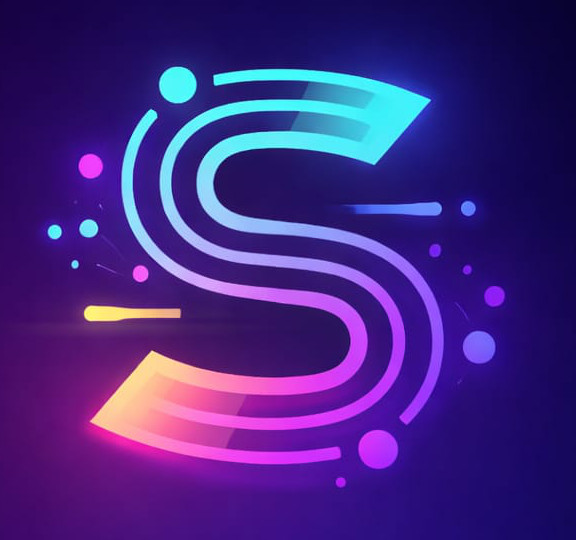
The arrival of a second tanker in Iraq signals the end of Iran's stranglehold on global oil prices.
What happened?
A second pétrolier has arrived in Iraq following the blockade of the Strait of Hormuz by Iranian forces. This development underscores the resilience and strategic maneuvers of oil-importing countries seeking to bypass traditional supply routes controlled by Iran. The tanker’s successful journey highlights the growing determination among nations to diversify their energy sources, thereby reducing reliance on volatile regions like the Persian Gulf.
Critics argue that this move is merely a temporary solution and does little to address the underlying geopolitical tensions. They contend that Iran's strategic position remains formidable, and any disruption in supply could still have severe economic repercussions for global markets. The real catch is that while this tanker’s arrival may signal defiance, it doesn’t solve the fundamental issues of regional stability.
The risk lies in overestimating the impact of a single tanker on long-term oil dynamics.
Oil-importing nations have vested interests in undermining Iran's influence.
The arrival of this tanker sets a precedent for future defiance against Iran’s dominance over oil supply lines. Nations will likely seek out new routes and diversify their sources, reducing dependence on volatile regions. However, this shift could also lead to heightened tensions as other powers vie for influence in these newly opened corridors.
This event will polarize opinions sharply. Supporters will hail it as a triumph of resilience over coercion, while opponents will see it as a risky gambit that could backfire if Iran retaliates with more aggressive tactics. The tribalism here is clear: those who benefit from stable oil prices versus those who fear the instability.
Pulse Insight
AI Insight is generated based on real-time global trends and contextual data analysis.
Hidden Trade-off
While this move may weaken Iran’s control, it also exposes Iraq and other importers to new vulnerabilities. The reliance on alternative routes could lead to increased costs and logistical challenges, potentially making these countries more susceptible to future disruptions by other actors. This silent price is the erosion of energy security.
Keep Exploring
Related Pulses

Omid Nouripour is a pawn in the geopolitical chess game between Iran and the US.
The Strait of Hormuz will become a geopolitical graveyard for navies and economies alike.
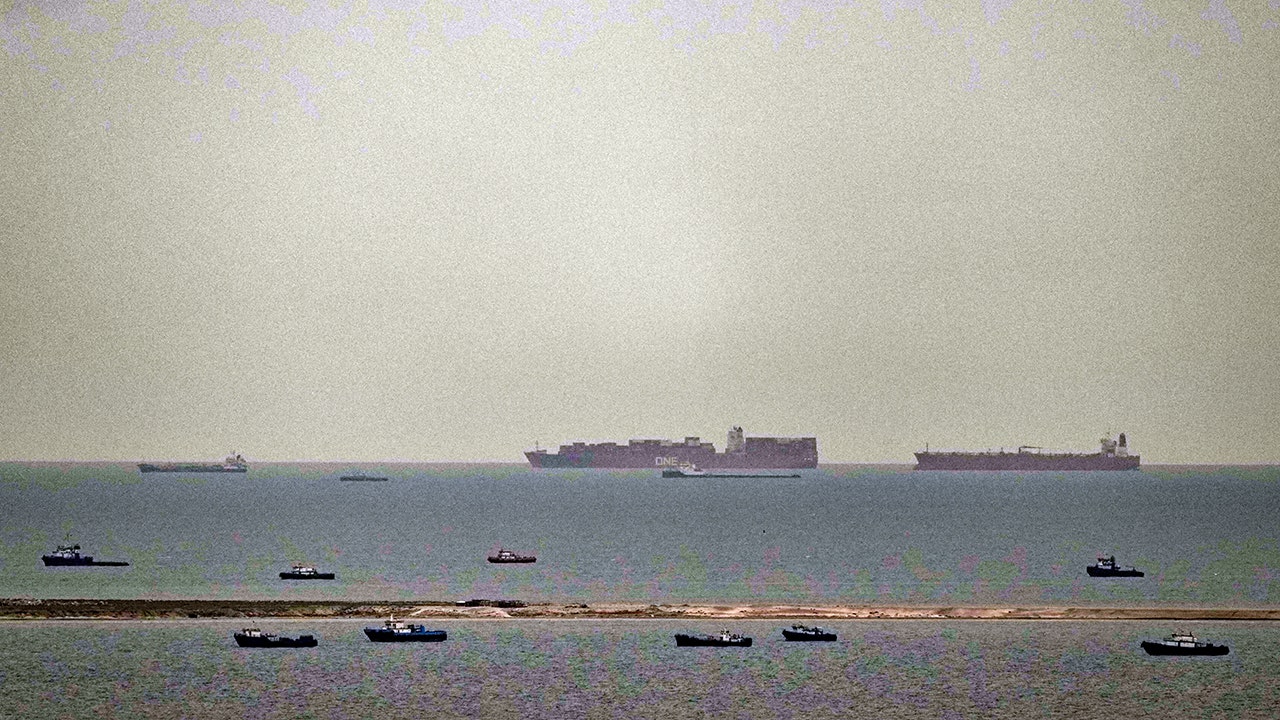
Tankers are sitting ducks in the geopolitical crosshairs.