

Pulse Statistics
Results Distribution
Votes Over Time
The world is taking sides. Your nation's pulse is missing.
Global pulses are showing up strong. Don't let your nation's identity disappear. Every beat shapes the global consensus.

The Aussie courts are soft on terrorism, letting a jihadi sympathizer walk free.

Global Consensus
What happened?
Aussie courts have once again disappointed with their handling of terrorism cases. A woman accused of joining ISIS in Syria was refused bail but likely remains at large due to bureaucratic delays and overly cautious procedures.
Critics argue that refusing bail ensures public safety by keeping potential threats locked up until a fair trial can be held, preventing any chance for radicalization or escape back into terrorist networks. Legal experts stress the importance of adhering strictly to legal protocol even in high-profile cases like this one.
The real risk lies not just with her freedom but also how it undermines public confidence and trust in our justice system's ability to handle such threats effectively.
With each such decision, we're setting dangerous precedents that terrorists can exploit. Courts must balance fairness with the need to protect society from clear threats before they become active dangers again.
Public opinion will likely turn against these lenient rulings as more cases like this arise. Tribal divisions could intensify between those who prioritize legal processes over national security and vice versa.
Pulse Insight
AI Insight is generated based on real-time global trends and contextual data analysis.
Hidden Trade-off
While courts aim for fairness, the hidden trade-off is that this leniency could embolden other extremists or sympathizers who see a pathway through legal loopholes. The public perceives these decisions as soft on terror and eroding national security.
Keep Exploring

Related to #australia
The US's migration rhetoric is a dangerous smokescreen for domestic political repression.
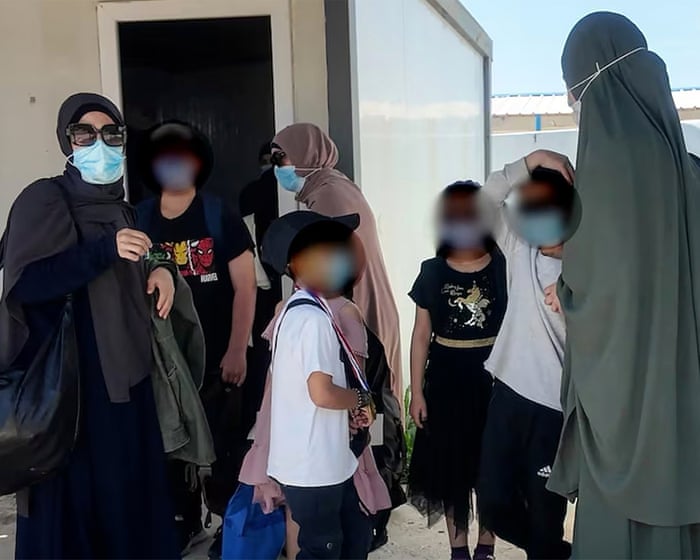
NSW police's surveillance of returning IS-linked families is a necessary evil, but it covertly undermines Australia’s claim to be a welcoming society.

Why is the Australian government struggling to address the fuel crisis effectively?