

Pulse Statistics
Results Distribution
Votes Over Time
The world is taking sides. Your nation's pulse is missing.
Global pulses are showing up strong. Don't let your nation's identity disappear. Every beat shapes the global consensus.

The BJP's landslide victory in Gujarat signals the end of regional politics as we know it.
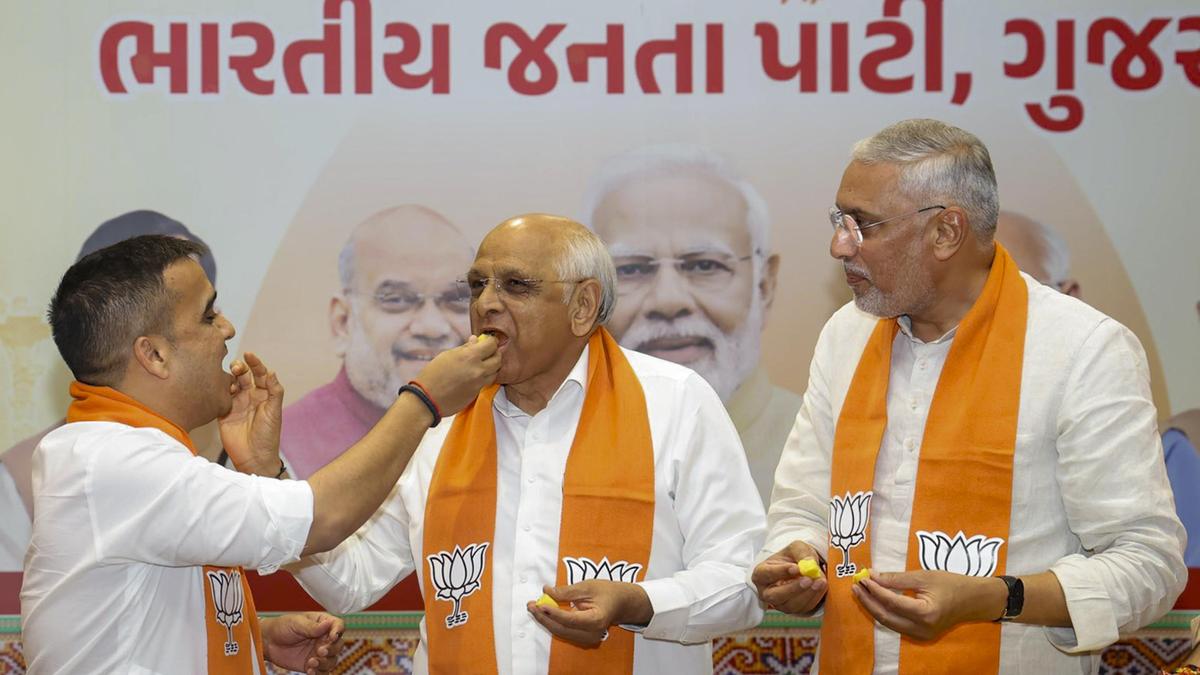
What happened?
In the latest round of Gujarat elections, the BJP emerged victorious with an overwhelming majority, signaling its unshakable hold over the state. This victory is not just about winning seats; it's about consolidating power and influence at both local and national levels. The opposition parties have been left in the dust, struggling to find their footing amidst a sea of blue.
Critics argue that the BJP’s dominance overlooks deep-seated regional issues and voter dissatisfaction with governance. They point out that while the BJP may win elections, they often fail to address critical socio-economic challenges faced by ordinary citizens. This perspective suggests that the BJP's victory might be more about electoral strategy than genuine public support.
The hidden risk is a growing disconnect between the ruling party and grassroots concerns.
Political parties have vested interests in maintaining their narrative dominance.
The BJP's triumph in Gujarat sets a precedent for future elections, reinforcing their image as the party capable of delivering stability and growth. However, this dominance could also breed complacency and resistance from opposition parties, potentially leading to more polarized political dynamics.
BJP supporters will hail this victory as a testament to their leadership's effectiveness, while opponents will see it as an ominous sign for India’s democratic diversity. The tribal split is clear: those who believe in centralized governance versus those advocating for decentralized regional autonomy.
Pulse Insight
AI Insight is generated based on real-time global trends and contextual data analysis.
Hidden Trade-off
While the BJP’s victory consolidates its power, it also risks alienating regional voices. The silent price is the erosion of local governance autonomy, leading to a top-down approach that may neglect nuanced regional needs and issues.