

Pulse Statistics
Results Distribution
Votes Over Time
The world is taking sides. Your nation's pulse is missing.
Global pulses are showing up strong. Don't let your nation's identity disappear. Every beat shapes the global consensus.

The careless driver's actions amount to manslaughter, plain and simple.
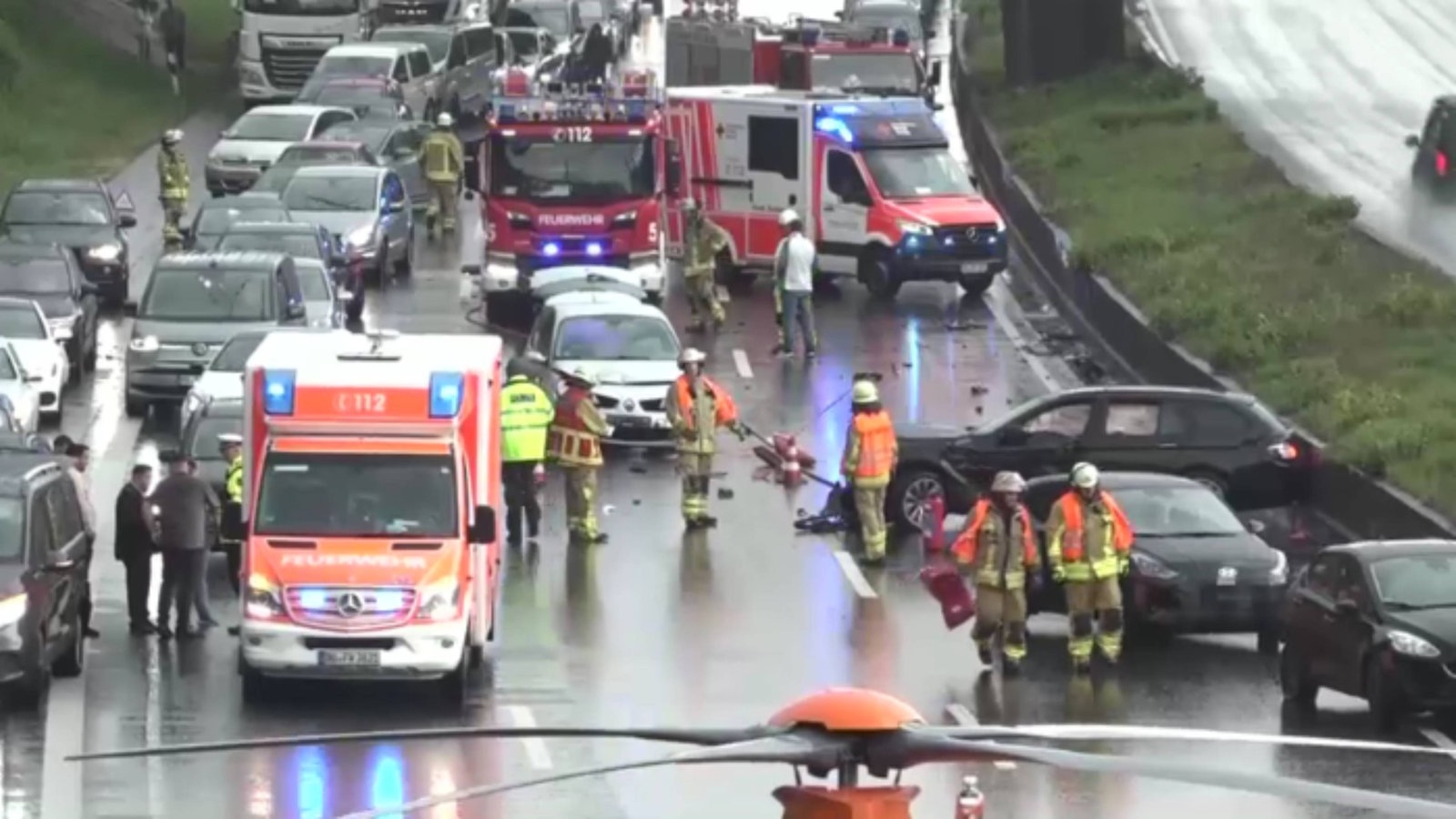
What happened?
On the A61 highway, a woman was struck by a vehicle while crossing the road, resulting in her death. The incident underscores the dangers posed by distracted or reckless driving. Ultimately, this is not an isolated case but part of a broader pattern of inadequate driver responsibility.
Some argue that such incidents are rare and that overreacting could stifle economic activity. They claim stringent measures might lead to unnecessary panic and hinder mobility.
The risk lies in underestimating the frequency of these accidents, leading to complacency in safety standards.
Automobile manufacturers may resist stricter regulations due to potential financial impacts.
As more such incidents come to light, public pressure will likely drive stricter regulations. However, the implementation of these measures will be met with resistance from various stakeholders who fear economic repercussions.
This incident will polarize opinions sharply. Those advocating for stringent safety measures will argue that human lives are paramount and must not be compromised by corporate interests. Conversely, those resistant to change will claim such regulations stifle economic growth and infringe on personal freedoms.
Pulse Insight
AI Insight is generated based on real-time global trends and contextual data analysis.
Hidden Trade-off
While increased road safety measures aim to protect lives, they also impose significant economic costs. Stricter enforcement could lead to higher insurance premiums and reduced mobility for businesses reliant on efficient transportation networks. The real catch is that these policies often face resistance from industries that prioritize profit over public welfare.