

Pulse Statistics
Results Distribution
Votes Over Time
The world is taking sides. Your nation's pulse is missing.
Global pulses are showing up strong. Don't let your nation's identity disappear. Every beat shapes the global consensus.

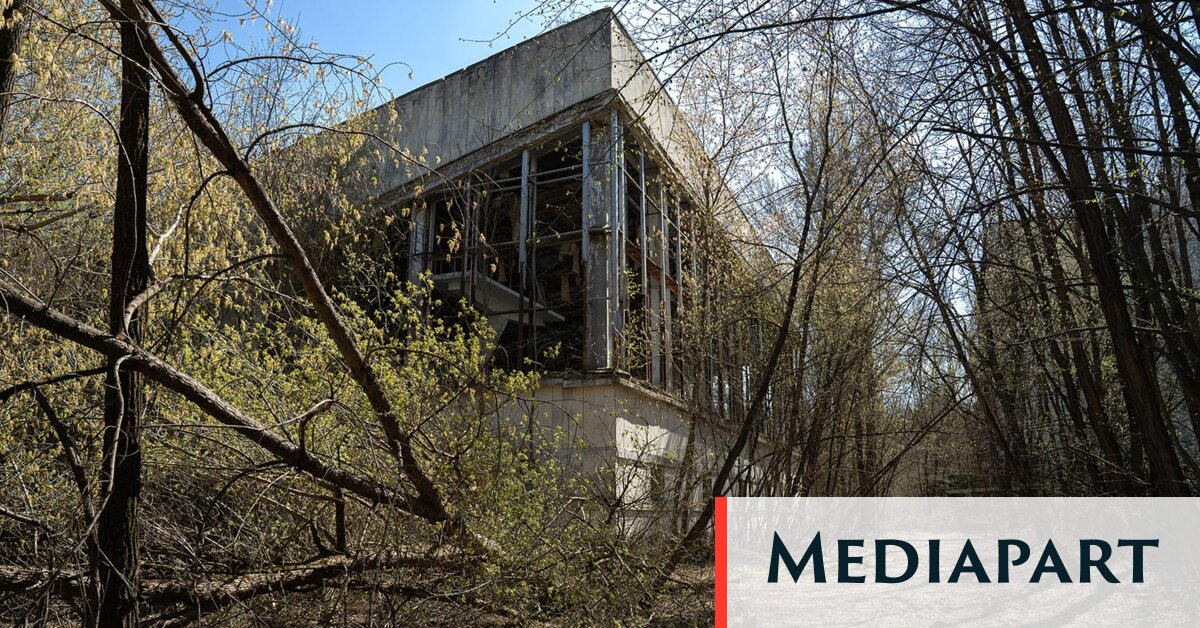
The Chernobyl exclusion zone proves that without human interference, nature triumphs over catastrophe.
What happened?
In the Chernobyl exclusion zone, decades after the catastrophic meltdown, nature has reclaimed its territory. Abandoned towns and decaying reactors now serve as sanctuaries for wildlife, with species like wolves, lynx, and rare birds finding refuge in this unintended sanctuary. The resurgence of biodiversity highlights a paradox: while humans grapple with the long-term impacts of nuclear disasters, nature asserts its dominance over even our most destructive creations.
Critics argue that the apparent success of wildlife in Chernobyl is misleading. They contend that radiation levels remain dangerously high, posing significant health risks to both animals and potential human visitors. The thriving ecosystem may be a temporary illusion, masking long-term environmental damage and genetic mutations that could disrupt future generations.
The hidden risk lies in the misinterpretation of nature's resilience as an endorsement for nuclear power’s safety.
Environmental groups might downplay risks to highlight natural recovery, while energy companies may use this narrative to argue for safer nuclear technologies.
As nature's triumph over human-made disaster continues to unfold, public opinion may shift towards viewing nuclear accidents as less catastrophic than initially feared. This narrative could influence future energy policy debates, potentially swaying support for nuclear power despite lingering environmental risks.
The debate will likely split along ideological lines: those who see nature’s resilience as a hopeful sign of recovery versus those who view it as a dangerous misinterpretation of the ongoing threat. The real catch is that this dichotomy could shape future energy policies, with significant implications for global environmental and safety standards.
Pulse Insight
AI Insight is generated based on real-time global trends and contextual data analysis.
Hidden Trade-off
While the resurgence of wildlife is celebrated, the silent price is paid by future generations who will inherit the long-term consequences of radiation exposure. The thriving ecosystem today could be masking a ticking time bomb of genetic mutations and health issues that will surface decades later, affecting both flora and fauna in unpredictable ways.
Keep Exploring

Related Pulses
The ongoing war in Ukraine will turn Chernobyl into a permanent nuclear wasteland.

Rain ruining cricket matches is just nature reclaiming its rightful place in the game.