

Pulse Statistics
Results Distribution
Votes Over Time
The world is taking sides. Your nation's pulse is missing.
Global pulses are showing up strong. Don't let your nation's identity disappear. Every beat shapes the global consensus.

The early arrival of the Ice Saints heralds an impending climate catastrophe.

What happened?
The Ice Saints are a series of cold spells that typically occur in May and early June, traditionally named after saints whose feast days coincide with these chilly periods. This year, however, farmers and meteorologists alike have noticed a significant shift as these frosty conditions arrived weeks ahead of schedule. The real catch is the potential impact on crop yields and agricultural planning, forcing stakeholders to reconsider long-held assumptions about seasonal weather patterns.
While some argue that early Ice Saints are merely an anomaly rather than a harbinger of climate doom, others point out that such deviations from historical norms can be attributed to natural variability in weather systems. The risk is overstating the case without sufficient evidence, potentially leading to unnecessary panic and misguided policy responses.
The primary risk lies in overreacting to short-term anomalies while ignoring long-term trends.
Environmental activists may exaggerate the severity of early Ice Saints to push for urgent climate action.
As weather patterns continue to shift unpredictably, early Ice Saints may become more frequent, challenging traditional farming methods and prompting a reevaluation of seasonal planning strategies. The question remains whether these changes will drive meaningful action or simply lead to short-lived panic and policy reversals.
The debate over the significance of early Ice Saints is likely to polarize public opinion sharply. Climate change deniers may dismiss it as mere weather variability, while environmental advocates will see it as a critical warning sign. Ultimately, this divide could hinder cohesive action on climate issues, with each side entrenched in their views.
Pulse Insight
AI Insight is generated based on real-time global trends and contextual data analysis.
Hidden Trade-off
While early Ice Saints might prompt immediate policy changes and investments in resilient agriculture, the silent price is a potential backlash against environmental regulations. Farmers and industries could face economic hardships from sudden shifts in agricultural practices without clear long-term benefits, leading to resistance against broader climate initiatives.
Keep Exploring
Related Pulses

Colombia's climate talks are a sham, prolonging fossil fuel addiction.
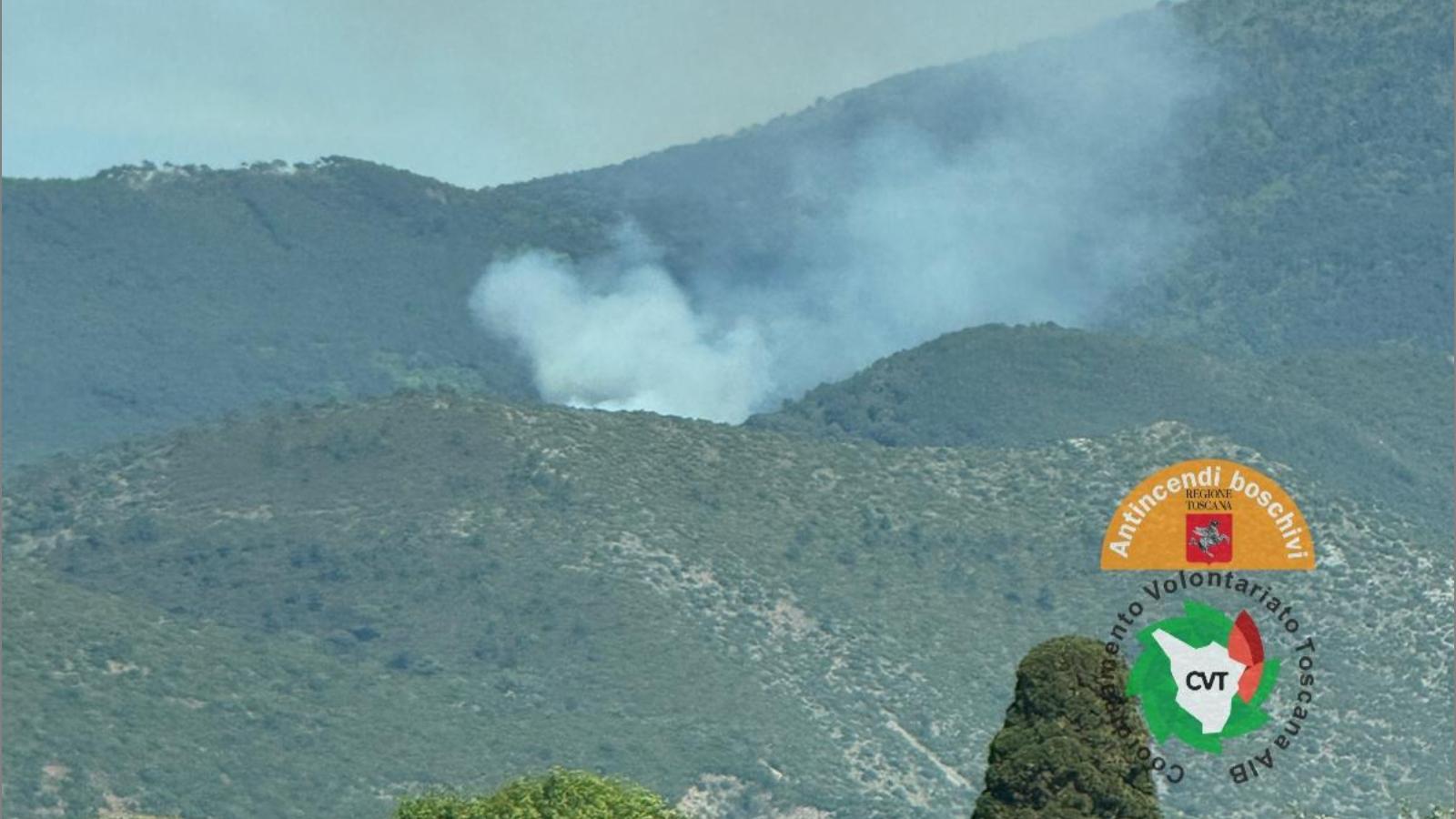
The inferno at Pisa's feet is a harbinger of environmental collapse.