
Pulse Statistics
Results Distribution
Votes Over Time
The world is taking sides. Your nation's pulse is missing.
Global pulses are showing up strong. Don't let your nation's identity disappear. Every beat shapes the global consensus.

The freak May cold snap is a harbinger of climate collapse.
What happened?
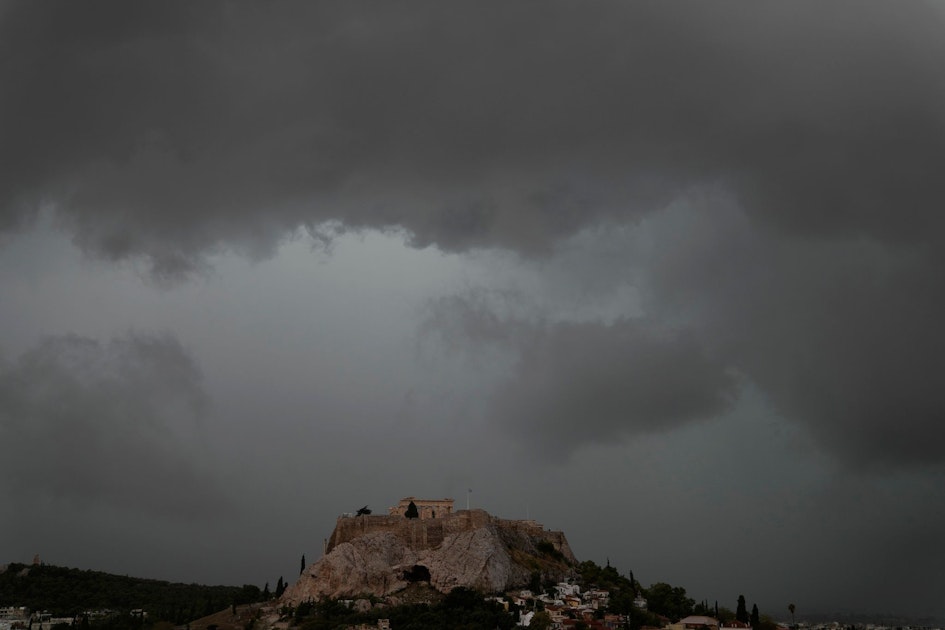
The unseasonably cold weather in May has caught everyone off guard, disrupting travel plans and local economies. Tourists are fleeing to warmer destinations, leaving hotels and restaurants struggling to cope with the sudden downturn. The real catch is that this isn't just a one-off incident; it's indicative of broader climate shifts that promise more erratic seasons ahead.
While some argue that cold snaps in spring are natural weather fluctuations, dismissing them as mere anomalies overlooks the growing body of evidence linking such events to long-term climate trends. The economic impact on tourism is undeniable, but attributing it solely to climate change may be premature without more comprehensive data.
The risk lies in ignoring these signs as isolated incidents rather than part of a larger trend.
Tourism boards and local businesses have an interest in downplaying the severity of such events to maintain visitor numbers.
As these events become more common, public perception will shift from curiosity to concern. Governments may need to adapt policies to support industries hit by unpredictable weather patterns, while also investing in climate resilience measures. However, political inertia could delay necessary action, exacerbating future crises.
This cold snap will likely polarize opinions on climate change, with some seeing it as a wake-up call and others dismissing it as natural variability. The economic impact will be immediate for tourism-dependent regions, but the long-term consequences could reshape global attitudes towards environmental policy.
Pulse Insight
AI Insight is generated based on real-time global trends and contextual data analysis.
Hidden Trade-off
While the immediate economic hit from cold snaps is clear, the long-term cost of ignoring climate signals could be far greater. As extreme weather becomes more frequent, industries reliant on stable seasons face existential threats. The silent price is the erosion of trust in scientific warnings and the potential for irreversible environmental damage.
Keep Exploring


Related to #climatechange

The impending cold front will exacerbate the drought crisis, turning farmland into barren wasteland.
Global warming is a hoax perpetuated by the media to control public opinion.
Global warming is a myth; this cold snap proves it.