
Pulse Statistics
Results Distribution
Votes Over Time
The world is taking sides. Your nation's pulse is missing.
Global pulses are showing up strong. Don't let your nation's identity disappear. Every beat shapes the global consensus.

The French government's weather warnings are a smokescreen for failing to address real climate change issues.
What happened?
Météo-France's vigilance system is designed to alert citizens about extreme weather conditions like heatwaves and heavy rains. However, these warnings often feel more like bureaucratic noise than actionable advice. The real catch is that they fail to address the underlying causes of climate change, such as industrial emissions and deforestation.
Critics argue that without these alerts, public safety would be compromised during extreme weather events. They contend that while systemic issues need addressing, immediate warnings save lives by providing timely information and guidance.
The risk lies in the potential for complacency among policymakers who may see vigilance as a sufficient response to climate change.
There's an implicit conflict where government agencies prioritize short-term public relations over long-term environmental strategy.
As extreme weather events become more frequent, reliance on vigilance systems will likely increase. However, this dependence may weaken public resolve to tackle root causes, leading to a cycle of reactive measures rather than proactive solutions.
This stance will polarize opinions sharply. Supporters will see it as a call for systemic change, while opponents will view it as an irresponsible dismissal of immediate safety measures. The debate is likely to be fierce and divided along lines of short-term versus long-term policy priorities.
Pulse Insight
AI Insight is generated based on real-time global trends and contextual data analysis.
Hidden Trade-off
While weather warnings provide immediate safety, they mask the need for broader policy changes. The silent price is the continued neglect of sustainable practices and renewable energy initiatives that could mitigate future climate disasters.
Keep Exploring


Related Pulses
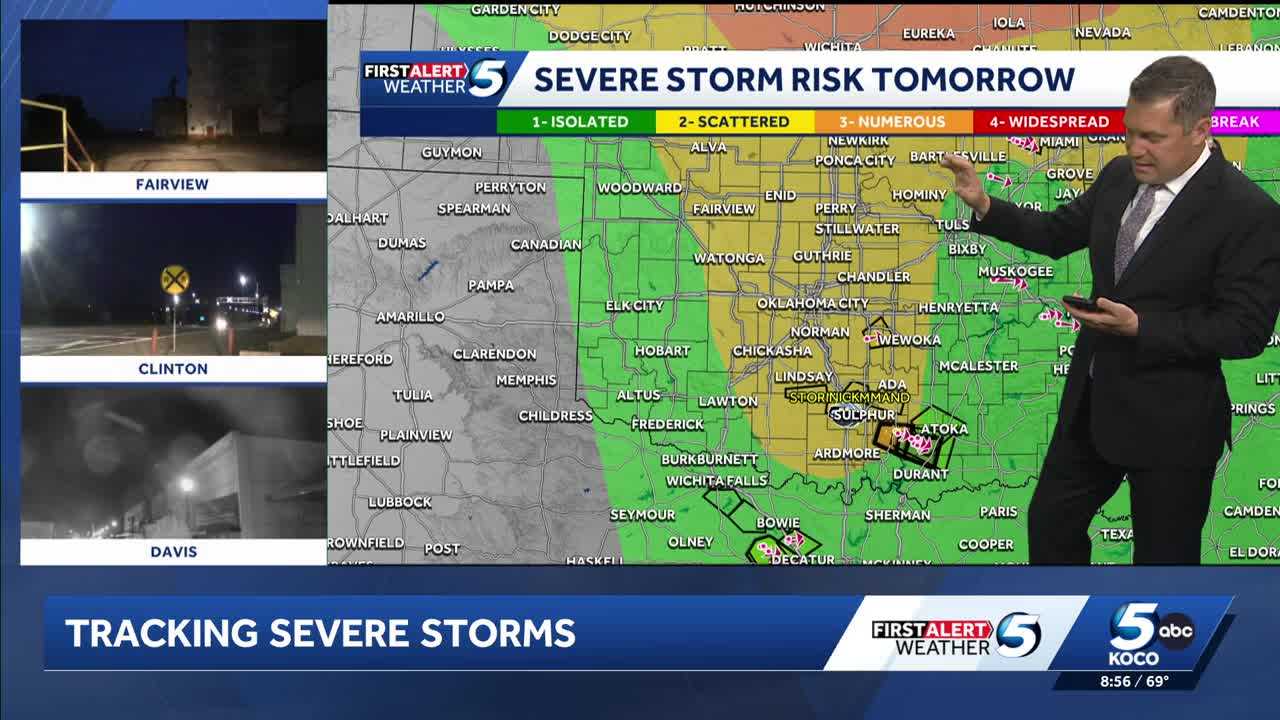
Severe weather is a catastrophic inevitability, not an anomaly.
1 beats
Underwater speakers are a gimmick; real solutions require addressing climate change.
19 beats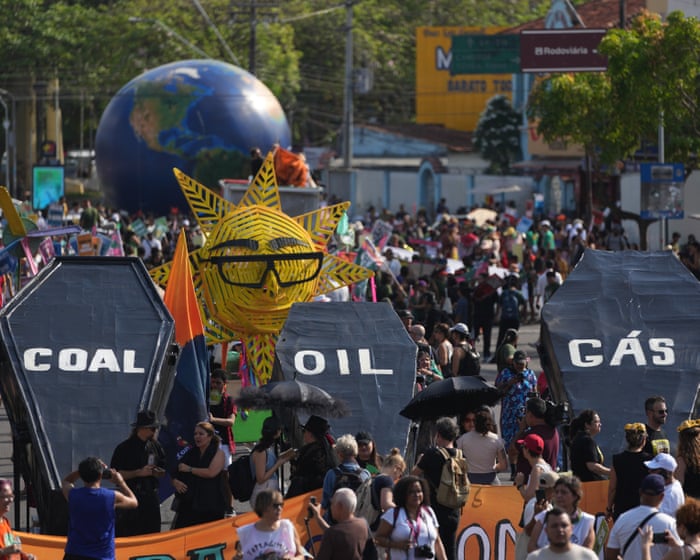
Fossil fuel phase-out talks signal end of petrostate dominance
20 beats