
Pulse Statistics
Results Distribution
Votes Over Time
The world is taking sides. Your nation's pulse is missing.
Global pulses are showing up strong. Don't let your nation's identity disappear. Every beat shapes the global consensus.

The fuel tax cut is a short-term populist victory that will cripple Italy's long-term fiscal health.
What happened?
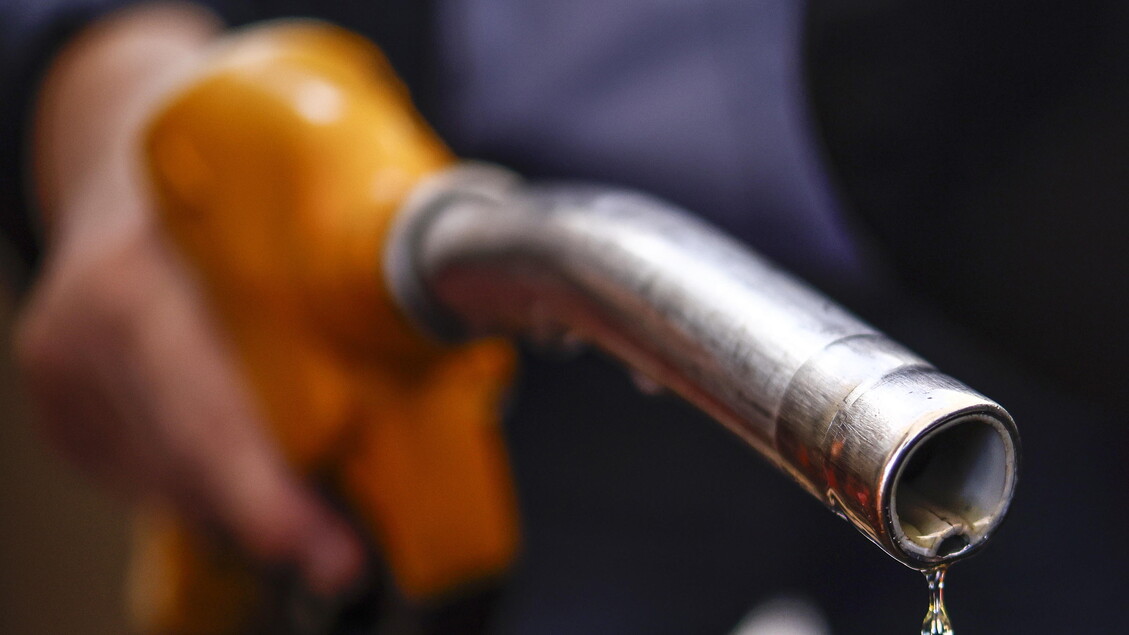
The Italian government has announced a temporary reduction in fuel taxes on April 25th and May 1st, aiming to ease the burden on consumers facing rising energy costs. However, this decision is more about political optics than economic prudence. While it may provide some immediate relief for drivers, the long-term impact will be detrimental as public coffers are drained of much-needed funds.
Supporters argue that reducing fuel taxes offers critical short-term relief to struggling families and businesses hit hard by inflation. They contend that this move is necessary to prevent further economic hardship and maintain social stability in a challenging environment.
The risk lies in the potential for increased public debt without corresponding growth in revenue streams.
Politicians may prioritize short-term electoral gains over long-term fiscal responsibility.
This populist move will likely lead to a short-term spike in voter approval but could set Italy up for significant economic challenges down the road, as public debt continues to rise and essential services suffer from lack of funding. The real catch is that while it feels good now, it may hurt more later.
This decision will polarize voters along ideological lines, with those favoring immediate relief supporting the move and fiscal conservatives opposing it due to long-term concerns about national debt and economic stability.
Pulse Insight
AI Insight is generated based on real-time global trends and contextual data analysis.
Hidden Trade-off
While the fuel tax cut provides temporary relief, it comes at the cost of reduced funding for essential services like healthcare and education. The government's decision to slash taxes now means fewer resources available in the future when these sectors are already under strain from budget constraints.