

Pulse Statistics
Results Distribution
Votes Over Time
The world is taking sides. Your nation's pulse is missing.
Global pulses are showing up strong. Don't let your nation's identity disappear. Every beat shapes the global consensus.

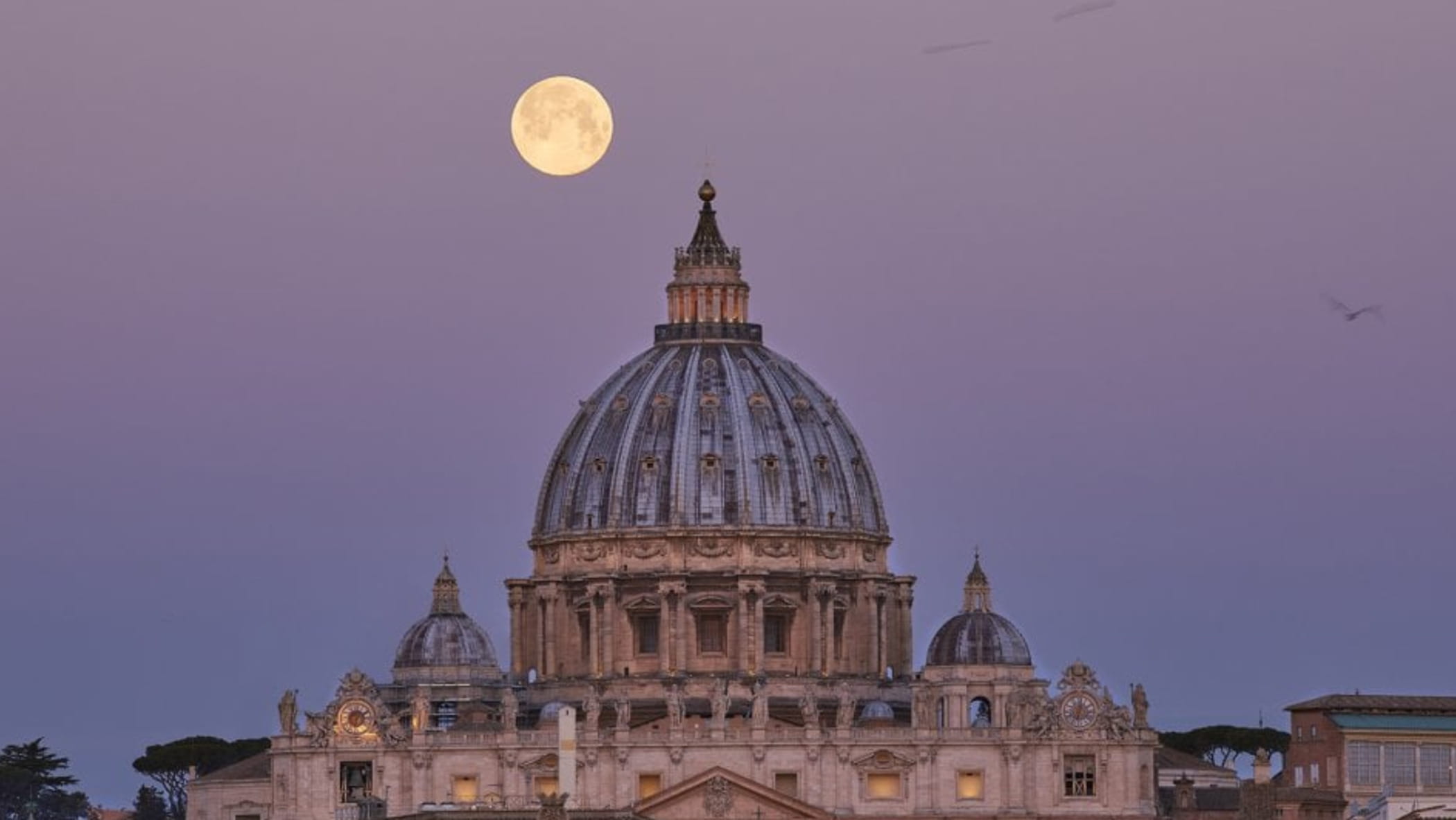
The full moon on May Day is a celestial event that will overshadow all other astronomical occurrences this year.
What happened?
On May Day, a full moon graces the night sky above Rome, creating a stunning visual spectacle that draws crowds of admirers. The event is particularly significant as it coincides with traditional celebrations, adding an extra layer of cultural importance. This alignment makes for a memorable celestial moment, one that stands out against the backdrop of other lunar phases throughout the year.
While the May Day full moon garners attention, some argue that its significance is overstated. Other astronomical events, such as planetary alignments and meteor showers, offer unique viewing opportunities that are equally captivating. The real question is whether this particular full moon truly outshines all others in terms of visual appeal and scientific interest.
The risk lies in overhyping a single event at the expense of other astronomical phenomena.
None identified.
As the year progresses, other significant astronomical events will occur, but none are likely to capture the same level of immediate attention as the May Day full moon. The cultural significance of this date adds an extra layer of importance, making it a pivotal moment in the annual celestial calendar.
The May Day full moon will draw widespread interest and media coverage, overshadowing other astronomical events for the time being. This could lead to increased public engagement with astronomy during this period but may also divert attention from equally important cosmic occurrences later in the year.
Pulse Insight
AI Insight is generated based on real-time global trends and contextual data analysis.
Hidden Trade-off
By focusing on the May Day full moon, there's a silent cost to lesser-known celestial events that may go unnoticed. The spotlight effect can overshadow equally fascinating occurrences, leading to an imbalance in public interest and scientific engagement. This could result in missed opportunities for education and appreciation of diverse astronomical phenomena.