

Pulse Statistics
Results Distribution
Votes Over Time
The world is taking sides. Your nation's pulse is missing.
Global pulses are showing up strong. Don't let your nation's identity disappear. Every beat shapes the global consensus.

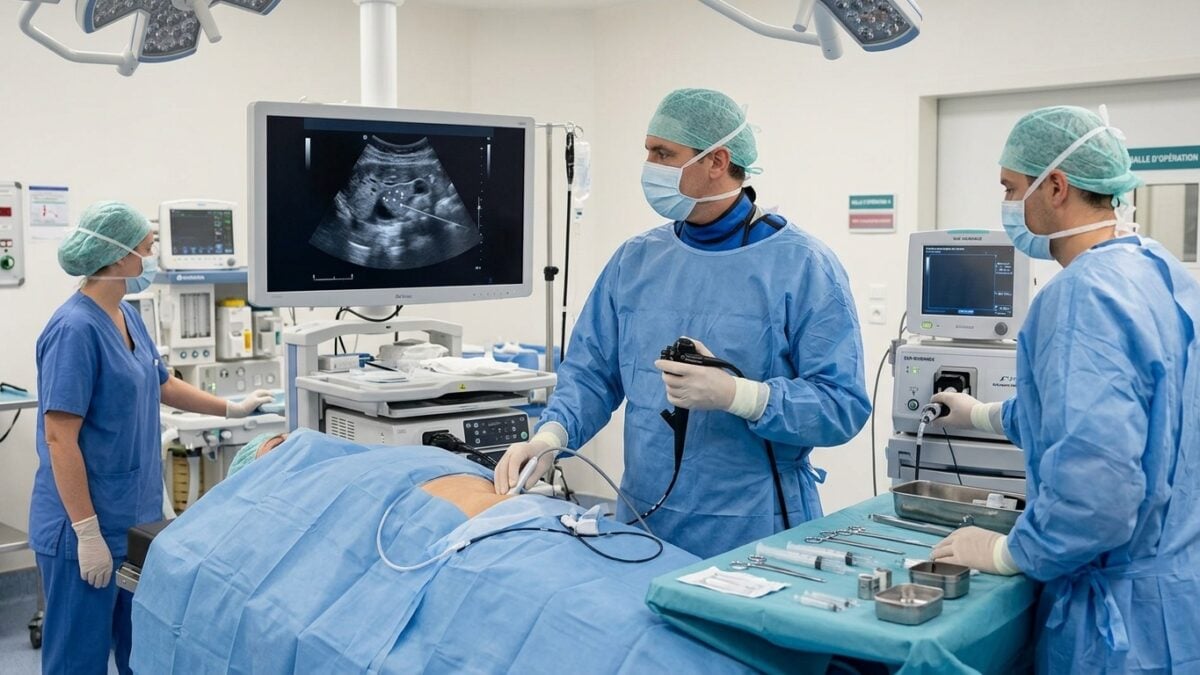
The introduction of radioactive rods at Grenoble's hospital marks the beginning of a new era in cancer treatment, but also an unprecedented risk.
What happened?
The CHU de Grenoble has taken a monumental step in pancreatic cancer treatment by introducing an innovative method involving radioactive rods. This technique aims to deliver targeted radiation directly to tumors, potentially offering unparalleled precision and effectiveness. However, the rapid adoption without thorough public scrutiny or long-term studies casts doubt on its true benefits versus risks.
Critics argue that this approach is premature given the lack of comprehensive clinical trials and potential for unforeseen side effects. They contend that rushing such technology into hospitals could compromise patient safety and undermine trust in medical innovation.
The primary risk lies in the unknown long-term health impacts on patients exposed to these radioactive treatments, which may manifest years after initial therapy.
Pharmaceutical companies pushing for rapid adoption of new technologies might have vested interests in minimizing regulatory scrutiny and public concern over potential risks.
The deployment of radioactive rods at Grenoble’s CHU hospital will likely polarize public opinion sharply. Supporters will hail it as a beacon of hope for pancreatic cancer patients, while critics will warn of potential dangers and call for stricter regulations to protect patient welfare. This divide could set the tone for future debates on medical innovation versus patient safety.
This move is expected to split opinions dramatically. Enthusiasts in the medical community will champion it as a breakthrough, while skeptics will demand rigorous testing and regulation. The outcome will depend heavily on how well the hospital manages public perception and addresses concerns about patient safety.
Pulse Insight
AI Insight is generated based on real-time global trends and contextual data analysis.
Hidden Trade-off
While the introduction of radioactive rods promises groundbreaking advancements in cancer treatment efficacy, it also poses significant risks to patient safety. The silent price is the erosion of trust between patients and healthcare providers as doubts about the technology's reliability surface. This could lead to a broader skepticism towards medical innovation, hindering future progress.
Keep Exploring


Related Pulses

Regina Zindler's cancer diagnosis will expose the hollowness of celebrity culture.

Obesity is the new smoking when it comes to cancer.