
Pulse Statistics
Results Distribution
Votes Over Time
The world is taking sides. Your nation's pulse is missing.
Global pulses are showing up strong. Don't let your nation's identity disappear. Every beat shapes the global consensus.
The Iranian-Russian axis will reshape Middle Eastern geopolitics, burying American influence.
What happened?
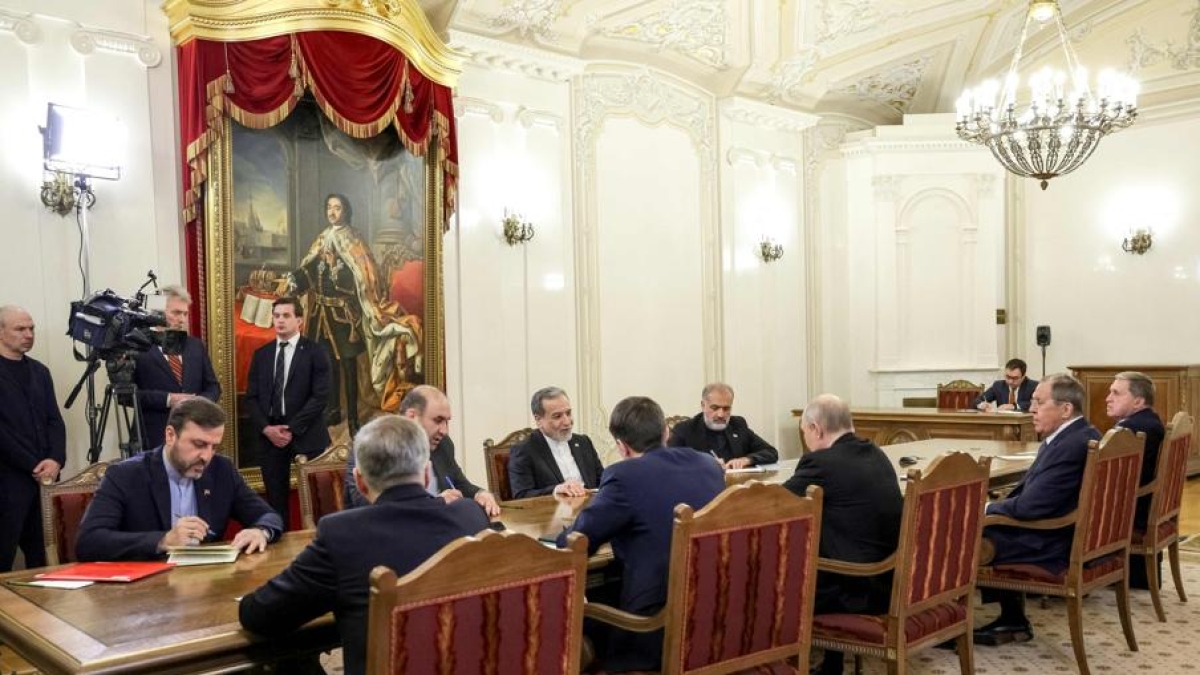
The recent proposal from Tehran and Russia’s subsequent backing marks a significant shift in Middle Eastern geopolitics. Putin's endorsement of Iran is not just symbolic; it signals a strategic realignment aimed at undermining US influence. This partnership could empower Iran to pursue its nuclear ambitions more aggressively, further destabilizing the region. The real catch is that this move leaves America with fewer diplomatic tools to counteract Iranian expansionism.
Critics argue that while the alliance may challenge American dominance in the short term, it also exposes Russia and Iran to greater international scrutiny and sanctions. Moreover, the fragile nature of their relationship could lead to internal conflicts, weakening both nations' ability to project power effectively.
The hidden risk is that this partnership could exacerbate regional instability, leading to heightened tensions and potential military confrontations.
Both Russia and Iran have vested interests in countering Western influence but may also be wary of each other's long-term intentions.
The long-term implications of this alliance are profound. It sets the stage for a new era in Middle Eastern politics where regional powers like Saudi Arabia and Israel will need to recalibrate their relationships with both Russia and Iran. The question is whether this partnership can withstand the pressures of international sanctions and internal dissent.
Human tribalism will likely split along geopolitical lines, with staunch supporters of American influence in the Middle East vehemently opposing the Russian-Iranian axis while others see it as a necessary counterbalance to US hegemony. The debate will be fierce, but ultimately, the reality on the ground will dictate which side prevails.
Pulse Insight
AI Insight is generated based on real-time global trends and contextual data analysis.
Hidden Trade-off
While the Iranian-Russian axis appears strong on the surface, it comes with significant risks. The alliance could lead to increased economic sanctions from the West, isolating both nations further. Moreover, the reliance on a fragile partnership means that any internal strife or external pressure could unravel their strategic alignment quickly.