

Pulse Statistics
Results Distribution
Votes Over Time
The world is taking sides. Your nation's pulse is missing.
Global pulses are showing up strong. Don't let your nation's identity disappear. Every beat shapes the global consensus.

The IRS's move to push the 730 pre-filled tax form is a blatant attempt at control, stifling taxpayer autonomy.
Global Consensus
What happened?
The IRS introduced a new feature for Form 730, allowing taxpayers to submit pre-filled versions based on previous filings and government records. While the intention is reducing errors in tax submissions by auto-populating certain fields with information from past returns, it raises serious concerns about privacy and autonomy.
Some argue that this move streamlines a cumbersome process for millions of taxpayers each year. By automatically filling out basic details like personal identification numbers or previous income figures, the IRS aims to cut down on errors made by individuals when manually entering these fields. They see it as an efficiency boost.
The primary risk lies in data security and potential misuse of taxpayer information.
As technology advances, expect this trend of pre-filled forms and automated submissions to expand across various tax types. The real question will be: who controls your financial data?
This move sparks outrage among privacy advocates but might win over the masses tired of filing taxes manually. Tribalism splits along lines of trust in government versus fear of surveillance.
Pulse Insight
AI Insight is generated based on real-time global trends and contextual data analysis.
Hidden Trade-off
While taxpayers might enjoy a smoother filing process with fewer mistakes, the silent cost is increased government oversight into personal finances. Every keystroke or click now leaves more digital footprints for agencies to track.
Keep Exploring


Related to #taxes
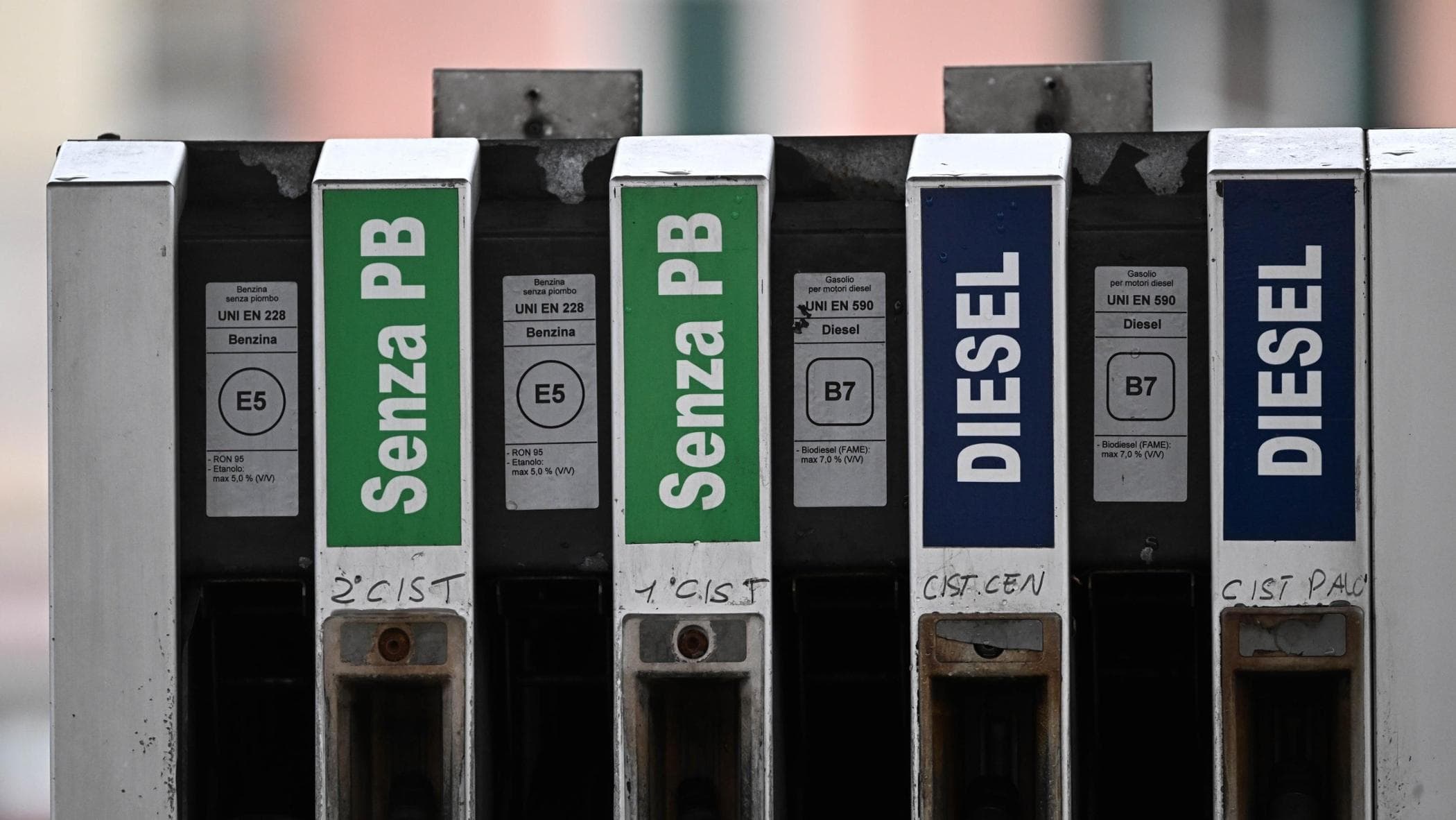
Fuel taxes are a rip-off, plain and simple.

The 'Parlons santé' health campaign is a colossal waste of taxpayer money.
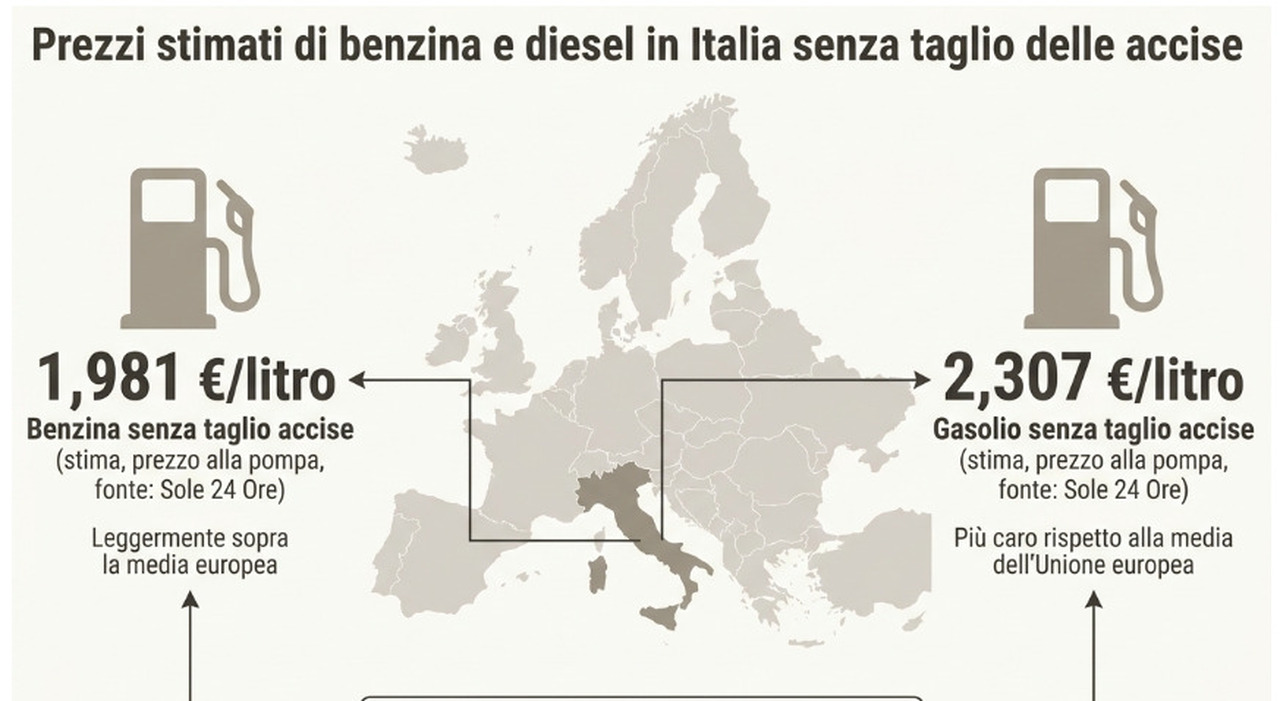
Cutting excise taxes on diesel is a catastrophic move for Italy's economy.