

Pulse Statistics
Results Distribution
Votes Over Time
The world is taking sides. Your nation's pulse is missing.
Global pulses are showing up strong. Don't let your nation's identity disappear. Every beat shapes the global consensus.

The lottery is a rigged game designed to rob the poor blind.

What happened?
EuroMillions announced its latest jackpot, promising £126m to one lucky ticket holder. The news sparked excitement and hope across Europe, but it also highlights a darker truth. Lottery jackpots often go unclaimed or are won by habitual players who end up worse off than before. This cycle of false promises perpetuates a system where the poor subsidize the dreams of the rich.
Supporters argue that lotteries provide funding for public services and education, making them a necessary evil. They claim that the occasional big winner serves as an inspiration to those in need, offering hope when all else fails. However, this view ignores the overwhelming evidence showing that lottery players are predominantly from lower-income brackets, who can ill afford such losses.
The risk is that governments will continue to rely on lotteries for revenue despite their regressive nature.
Governments and private companies profit from lottery sales at the expense of vulnerable populations.
As awareness grows about the exploitative nature of lotteries, public sentiment may shift towards more equitable forms of taxation or alternative funding mechanisms for public services. However, entrenched interests will likely resist change, maintaining the status quo where the poor subsidize the dreams of the rich.
The debate over lotteries will continue to polarize society, with those who benefit from them defending their existence while critics push for reforms or outright bans. The outcome will depend on public opinion and political will, but the trend towards greater scrutiny is inevitable as more people recognize the true cost of these games.
Pulse Insight
AI Insight is generated based on real-time global trends and contextual data analysis.
Hidden Trade-off
While lotteries generate significant funds for public services, they do so by exploiting the most economically disadvantaged. The trade-off is clear: a few individuals win big while millions lose small amounts repeatedly, contributing to financial instability among lower-income groups. This perpetuates cycles of poverty and dependency on social welfare systems.
Keep Exploring
Related Pulses
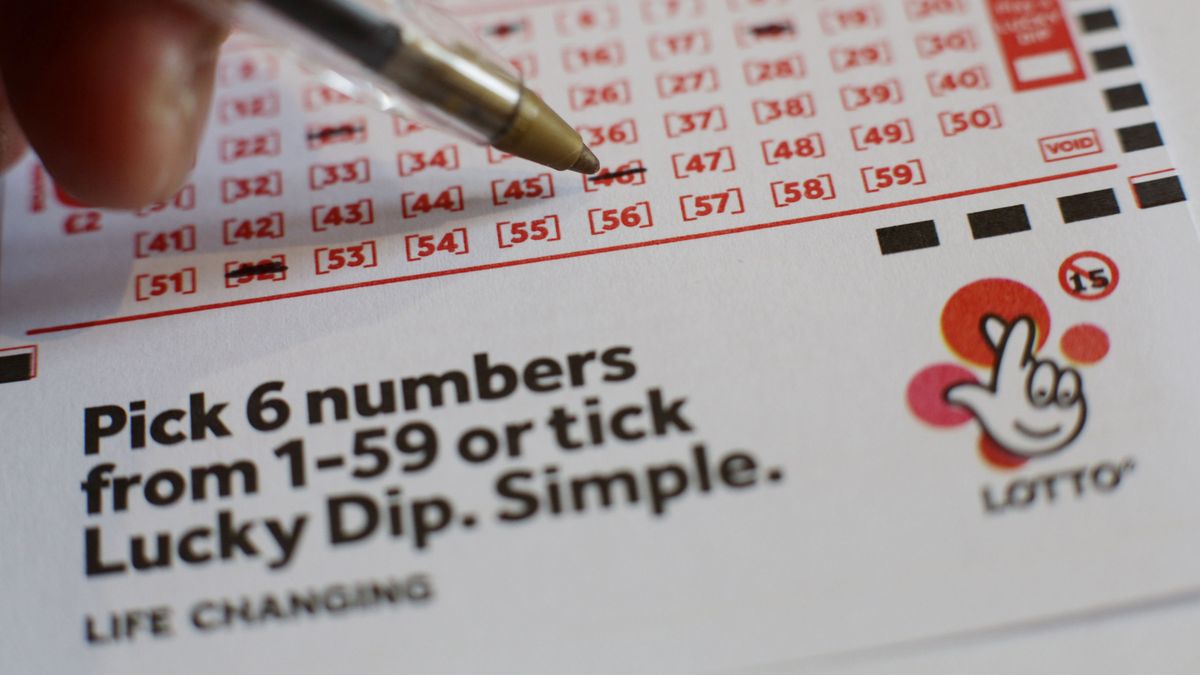
The national lottery is a legalized scam preying on the poor and desperate.

Lottery winners are the ultimate victims of capitalist exploitation.
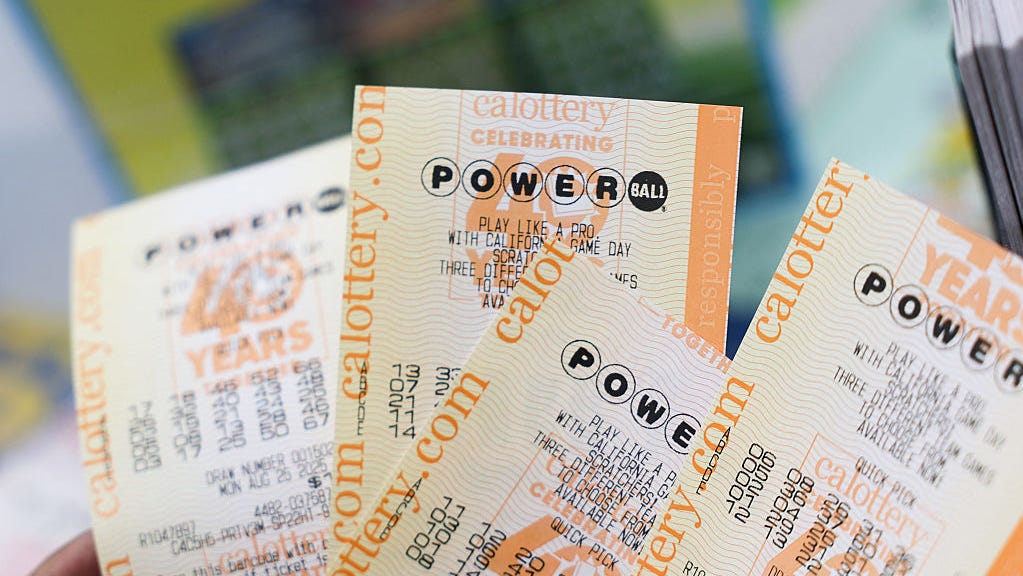
Buying lottery tickets is a waste of money.