
Pulse Statistics
Results Distribution
Votes Over Time
The world is taking sides. Your nation's pulse is missing.
Global pulses are showing up strong. Don't let your nation's identity disappear. Every beat shapes the global consensus.

The military's literary presence is a brazen power grab.
What happened?
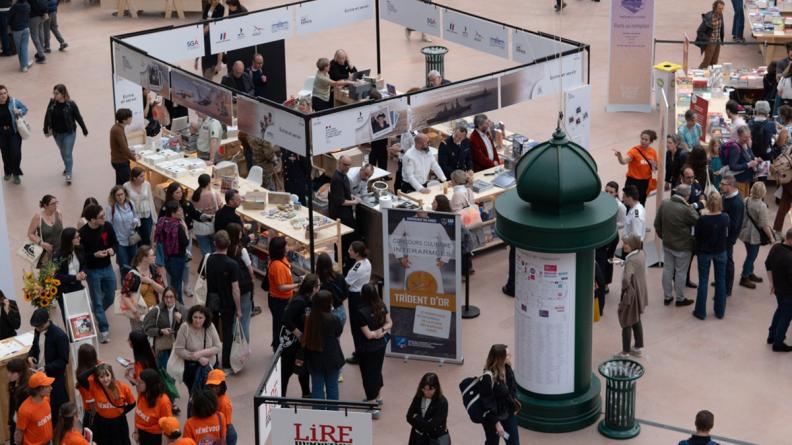
The Commissariat des Armées, France's military disciplinary body, made waves by attending the Festival du Livre in 2026. This unprecedented move has raised eyebrows and sparked debate about the role of the armed forces in cultural events. The impact is clear: it undermines the autonomy of literary spaces and sets a precedent for state control over artistic expression.
One could argue that the military's presence at such an event aims to bridge the gap between defense and civilian life, fostering mutual understanding and respect. However, this view fails to address the underlying issue of power dynamics and the potential erosion of cultural independence.
The risk lies in the normalization of military influence over traditionally civilian domains like literature.
There is a hidden agenda for the military to expand its sphere of influence beyond its operational boundaries.
This move could set a dangerous precedent where military institutions increasingly assert their influence over cultural events. As society becomes more polarized, such actions may be seen as necessary by some but deeply troubling by others, leading to further erosion of democratic values and free expression.
Human tribalism will likely split this vote sharply. Those who support the military's role in culture will argue for unity and mutual understanding, while critics will see it as an encroachment on civil liberties. The outcome hinges on how society perceives the balance between national security and cultural freedom.
Pulse Insight
AI Insight is generated based on real-time global trends and contextual data analysis.
Hidden Trade-off
While the military's attendance at literary festivals may seem innocuous, it carries the silent price of eroding cultural autonomy. By inserting itself into these spaces, the military risks turning literature and art into vehicles for political messaging rather than platforms for free expression. The real cost is the potential loss of a vibrant, independent intellectual landscape.
Keep Exploring

Related Pulses

Half Man is a cinematic abomination that should be banned.
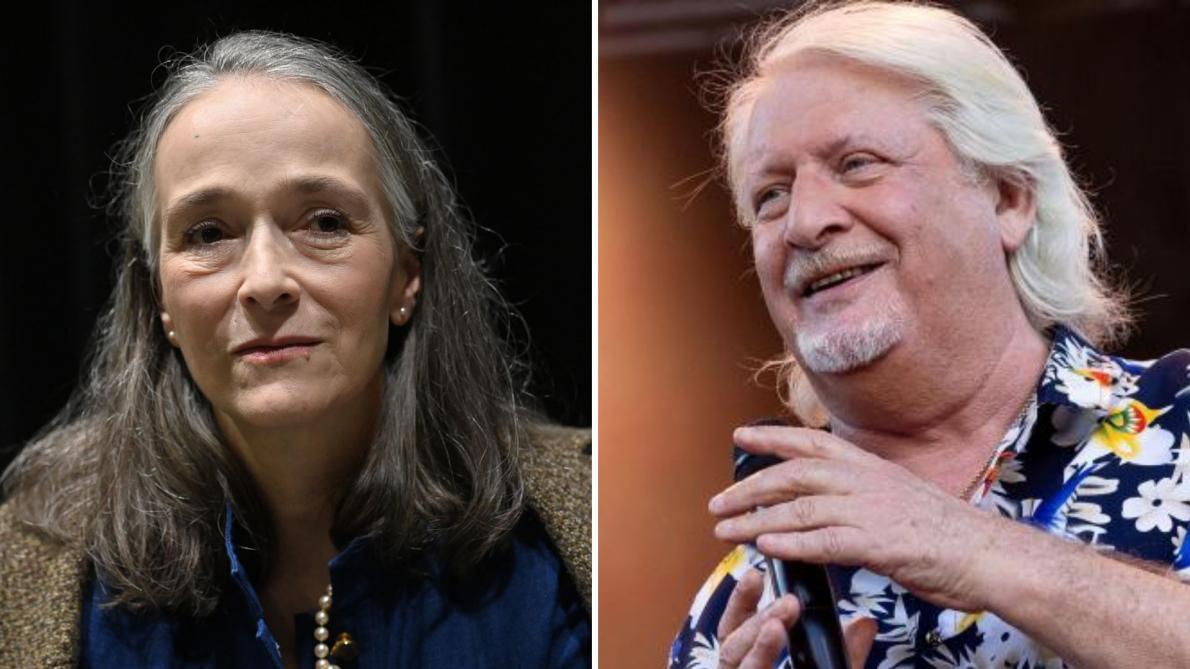
Delphine Ernotte's censorship of Patrick Sébastien marks the end of free speech in French media.